
Lieferung heute & morgen

Qualitätsgarantie

Willkommens-Angebote freischalten: KOSTENLOSE Lieferung | Bis zu 80 % RABATT | Kostenlose 30-Tage-JoyPlus-Testphase
App herunterladen
An unprotected smartphone display is exposed to plenty of everyday hazards: keys in a bag, dust in a backpack, drops from a table or pressure inside a jacket pocket. A tempered glass screen protector for smartphones can help shield the surface from scratches and daily wear. However, the glass, cut-outs and installation must genuinely match the specific model.
If you focus only on terms such as “9H”, “Full Screen” or “Privacy”, you can easily end up buying the wrong product for your needs. The decisive factors are precise model compatibility, the adhesive coverage and the clearance around the phone case.
The label 9H tempered glass primarily describes the stated resistance to scratches. It does not mean that the smartphone display will remain undamaged after every drop. Even scratch-resistant protective glass can break on heavy impact.
That is why you should look for a realistic product description. A screen protector provides an additional layer of protection, but it is no substitute for a shock-absorbing case.
An iPhone 15, iPhone 16 Pro and Samsung Galaxy S23 FE each have different dimensions, sensor positions and display edges. Glass designed for the wrong model can interfere with the speaker, front camera or touch-sensitive areas.
Always check the following before purchasing:
A particularly wide-cut piece of glass may initially appear to cover the entire display. However, if the case presses against the edges, the protector may lift or allow dust to collect underneath. Case-compatible screen protection usually leaves a small gap around the edge of the device, making it better suited to everyday use.
For protective glass, the material, thickness and surface coating are all relevant specifications. The value 9H is commonly used for tempered glass and, in the products featured here, primarily indicates scratch resistance. Protection against drops also depends on the construction, edge design, adhesive, and the nature of the impact.
Damage should not be ignored. If the glass is cracked or the edges are chipped, replacement is recommended, as sharp glass fragments can cause injury and the protective performance may be compromised.
Full-glue tempered glass features an adhesive layer across the entire intended surface. This can help it sit more evenly and reduce the formation of air pockets. Dust-free installation is essential.
A screen protector film, such as a TPU nano film, has a more flexible surface. It can be a suitable option when an exceptionally thin layer of protection is preferred or when the smartphone display has heavily rounded edges. However, film does not protect against mechanical stress in the same way as tempered glass.
An anti-fingerprint screen protector coating can make it easier to remove skin oils and dirt. It does not prevent fingerprints entirely, however. A privacy variant reduces the display’s visibility from the sides. This is practical for commuters, offices and public transport, but it can affect perceived brightness and make it less convenient to view the screen together with others.
For the camera, a separate iPhone camera protector can be worthwhile if the lenses frequently come into contact with keys, dust or other objects. Make sure the lens cut-out is suitable and that the surface is clear and minimises reflections.
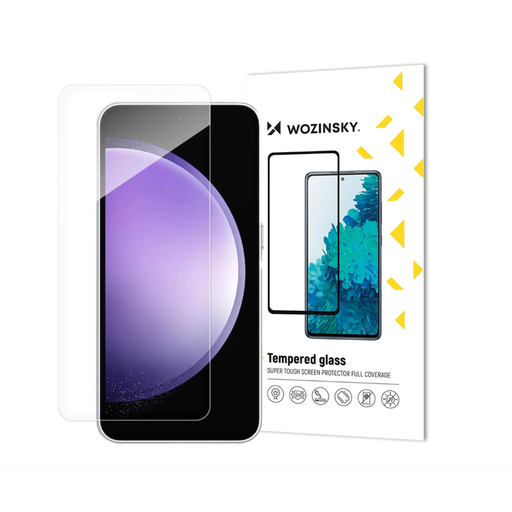
Why is it a good fit? A model-specific solution for Samsung Galaxy S23 FE users looking for clear screen protection with installation accessories.
The specific S23 FE designation reduces the risk of choosing an ill-fitting universal protector. The cleaning cloth and dust-removal stickers help prepare the display.
Tempered glass, precise cut and accessories for bubble-free installation.
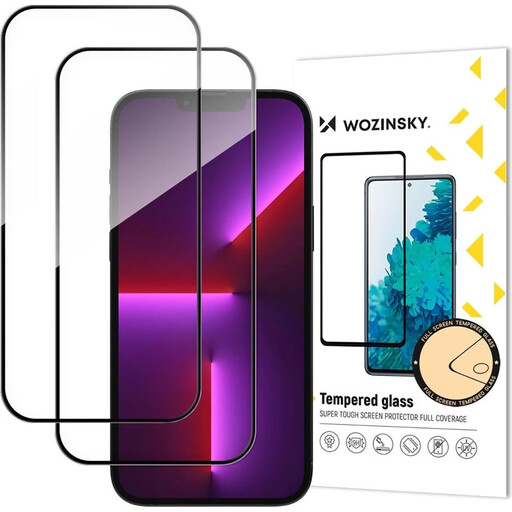
Why is it a good fit? Ideal for iPhone 17 Pro users who want to combine full-surface adhesion, high transparency and a spare protector in one set.
The full adhesive surface addresses uneven contact. Compatibility with most cases helps limit pressure along the edges.
9H hardness, black frame, two protectors per pack and installation accessories.
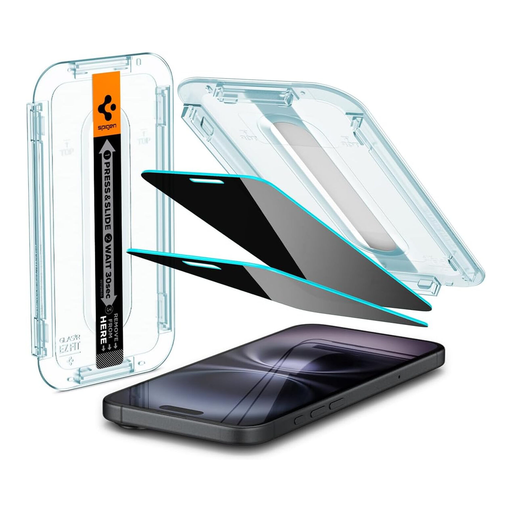
Why is it a good fit? The side-view privacy filter is ideal for train journeys, cafés and workplaces where messages or documents should not be visible to everyone nearby.
Compatibility is limited to iPhone 15 and 16 and should be checked before purchase. The privacy filter is explicitly not complete drop protection.
9H glass, alignment tray, two protectors per pack and a case-friendly design.
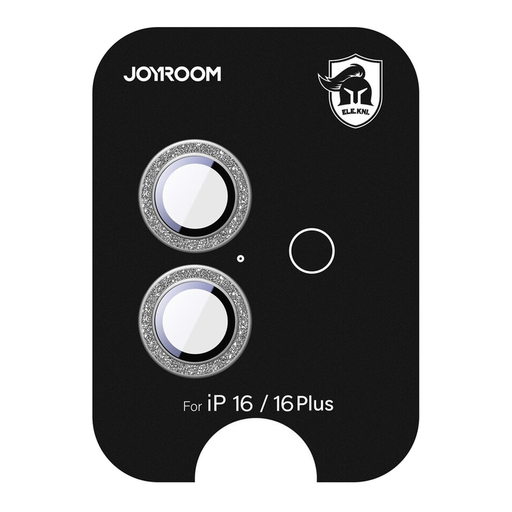
Why is it a good fit? A dedicated solution for iPhone 16 and iPhone 16 Plus users whose camera lenses need additional surface protection in everyday use.
The separate lens protector prevents a general screen protector from being mistakenly treated as camera protection. It is designed only for the iPhone models specified.
0.30 mm Corning glass, 9H hardness, anti-reflective coating and anti-fingerprint properties.
The complete range of screen protectors can be compared by smartphone brand and model. This makes it easier to find the right solution for your display, case and usage profile.
A bubble-free installation depends less on pressure than on proper preparation. Follow these steps in order:
With a Samsung screen protector or an iPhone screen protector film, you should also check after installation that the fingerprint sensor, front camera and case continue to function without restriction.
There is no fixed service life. It depends on the contents of your bag or pocket, drops, pressure and daily use. Replace the glass if it develops cracks, chips or edges that remain detached.
TPU film is thin and flexible, making it suitable for certain display shapes. Tempered glass offers a firm surface and is often chosen for its stated scratch resistance. The right choice depends on the model, case and type of protection you want.
For commuters and professionals, an opaque privacy tempered-glass protector can make it harder for people nearby to view the screen from the side. The display may appear darker at an angle, however. If you frequently share content with others, a clear screen protector is generally the more practical choice.