If several people regularly sit off to the side, OLED is a good place to start when comparing TVs: RTINGS.com observed a consistent picture from a wide angle on the 65-inch LG C5 it tested. In a very bright room, a bright, low-reflection Mini-LED LCD could be an alternative, but check the side view on the specific model from your seating position. For tennis, it’s also worth considering the motion settings with the signal source you actually use, as well as screen size and placement.
Who this choice matters to
Tennis fans with a wide sofa
If several people regularly sit at an angle to the screen, the ball, lines and court should remain easy to see from the seats at either end. RTINGS.com tested the viewing angle of the 65-inch LG C5; Philips promotes the picture quality when viewed from the side on the 65OLED760/12.
Tennis fans who are sensitive to motion
Fast rallies and camera pans make motion settings worth considering. When comparing models, assess them with the signal source you actually use; RTINGS.com explains the difference between refresh rate and perceived motion.
Daytime viewers
If you often watch in a bright room, you’ll need to weigh reflections and picture quality from the side seats together. RTINGS.com tested the brightness and reflection handling of the 75-inch Samsung QN90F; the results don’t automatically apply to other sizes or regional variants.
What to look for when buying
OLED
A good fit if: people regularly sit to the side and a consistent picture from those seats is a priority. RTINGS.com found that the 65-inch LG C5 it tested delivered a consistent picture from a wide angle.
Trade-off: A glossy screen can be distracting if lights are poorly positioned. LG also notes the possibility of image retention when static elements are displayed for long periods.
Bright Mini-LED LCD
A good fit if: you mainly watch tennis in a very bright room and brightness and reflection handling are especially important. RTINGS.com observed these qualities on the 75-inch Samsung QN90F it tested.
Trade-off: Tests of the model in question don’t prove how every German variant looks from the side. So check the specific TV from the furthest seat you plan to use.
The percentages refer to the single most important buying priority for a TV used to watch tennis with people seated to the side. First decide what matters most for your seating arrangement, then compare the specific model in suitable lighting and with the right signal source.
| Buying consideration |
What to check |
Who it matters to most |
| Picture quality from the side |
Use the same tennis clip from the furthest seat to check court colours, contrast and how easy it is to follow the ball. |
If several people sit to the side, I want to be able to follow the game from the end of the sofa, too. Around 31% of consumers are likely to make viewing angle their top buying priority. |
| Motion and camera pans |
Compare the native refresh rate and motion settings separately using your own signal source. |
If I want to follow the ball more easily during fast shots and camera pans, what matters is how the TV performs with the signal I actually use. Around 25% of consumers are likely to prioritise motion handling. |
| Daylight and reflections |
Assess the room lighting, screen finish and view from the side together in the intended location. |
When I often watch TV during the day, I want to reduce reflections without losing sight of how the picture looks from a side seat. Around 19% of consumers are likely to prioritise daylight performance and reflections. |
| Size and placement |
Measure viewing distances and available space; check the stand or VESA dimensions for the specific model. |
If a TV is being set up for a wide seating area, its size and mounting options need to suit the room. Around 13% of consumers are likely to consider placement and screen size first. |
| Overall cost and signal source |
Check the signal source you’ll need for the match and the energy information separately. |
If I want to watch a particular tennis match, I need a suitable signal source and want to consider the ongoing costs, too. Around 12% of consumers are likely to prioritise overall cost and signal source. |
Common buying mistakes
-
Judging the picture only from directly in front
With a seating arrangement that includes side seats, the picture may look different from those positions than it does from the centre of the screen.
Compare a bright sports scene from the furthest seat you plan to use. Don’t assume results for other sizes or regional versions apply to the specific model without checking.
-
Assuming all Mini-LED TVs have stable viewing angles or OLED suits every bright room
Brightness, reflections and changes to the picture when viewed from the side are separate characteristics.
Assess the room lighting and side seats together with the specific TV, rather than choosing based on display technology alone.
-
Confusing gaming refresh rate with the frame rate of a tennis broadcast
A high supported gaming refresh rate doesn’t guarantee a tennis broadcast at the same high frame rate. RTINGS.com describes refresh rate as a characteristic of the display.
Check the native panel specification, motion settings and actual signal source separately.
-
Looking only at the TV’s price
As well as the TV, costs may include electricity, delivery, connection and, where applicable, a broadcasting service.
Check the energy information, delivery terms and signal source for the match you want to watch before buying. Historical broadcast rights don’t guarantee coverage of future tournaments.
Any additional costs will depend on the model, delivery and match you want to watch.
Key brands to consider
LG
The C5 is a useful point of comparison for side seating; test results relate to the 65-inch model tested.
- RTINGS.com observed a consistent picture from a wide angle on the 65-inch C5 it tested. LG lists a native 120 Hz panel for the German OLED65C5ELB.
- A glossy screen can be distracting in poorly positioned light. LG notes the possibility of image retention when static content is displayed for long periods.
Samsung
The S90F OLED and QN90F Neo QLED offer different options for side seats and bright rooms; compare sizes and regional variants separately.
- RTINGS.com observed high brightness and good reflection handling on the 75-inch QN90F it tested.
- These observations aren’t test results for the German 65-inch GQ65QN90FATXZG or the S90F.
Sony
The BRAVIA 8 II K-65XR8M2 is an OLED option to compare if connections and placement are important.
- Sony lists this model as 65 inches, with four HDMI inputs and a VESA dimension of 30 × 30 cm.
- These specifications don’t prove independently measured superiority for tennis and don’t automatically apply to other BRAVIA models.
Philips
The 65OLED760/12 combines OLED with Ambilight for buyers who want to factor in this lighting effect as well as the side view.
- Philips lists the model as 65 inches and 120 Hz.
- The promoted picture quality when viewed from the side is a manufacturer claim, not an independent comparative test.
TCL
The Q8C is a QD Mini-LED LCD option to compare with OLED and other LCD TVs.
- TCL describes the model as featuring CrystGlow HVA panel technology and Mini-LED construction.
- The manufacturer’s description doesn’t establish independently measured picture quality from the furthest seat.
Joybuy products
This selection includes OLED and Mini-LED TVs for comparing screen size, placement and side seating.
 No image available
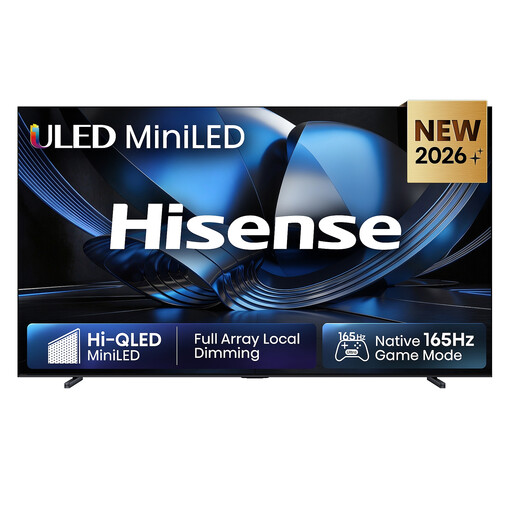
Hisense 100U7DSE 100-inch ULED Mini-LED 4K Smart TV, 165 Hz
For a large seating area when you want an extra-large screen; check the side view in the intended location.
The product specifications list a 100-inch screen, ULED Mini-LED, 4K and 165 Hz.
Joybuy
 No image available
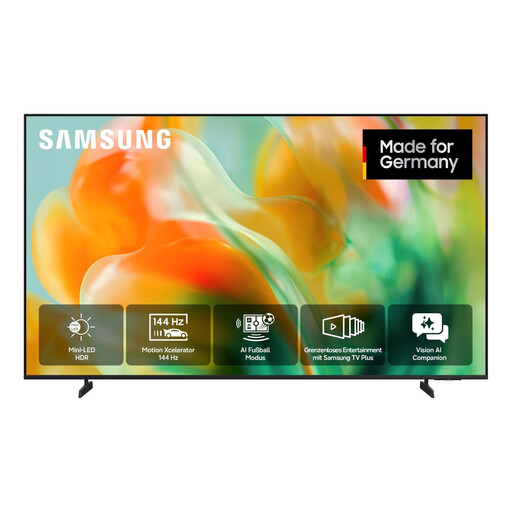
Samsung GU65M80H Mini-LED 4K Smart TV, 65 inches
A Mini-LED option for a bright room: check brightness, reflections and the side view on the specific TV.
The product specifications list a 65-inch screen (163 cm), Mini-LED, UHD 4K and Smart TV.
Joybuy
 No image available
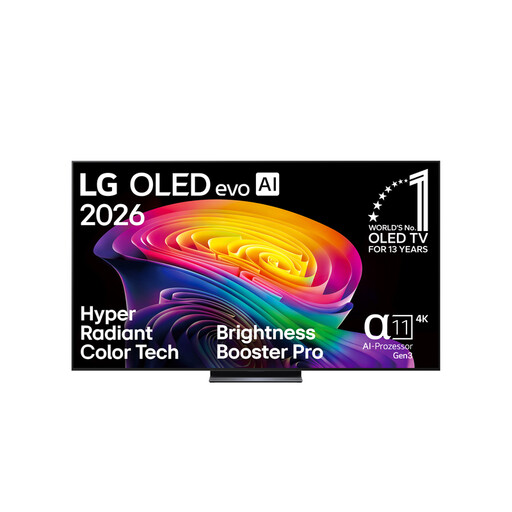
LG OLED83C67LA OLED Evo AI 4K Smart TV, 83 inches
An OLED model to compare for a wide seating area; check the picture from the furthest seat.
The product specifications list an 83-inch screen, OLED, Evo AI and 4K.
Joybuy
 No image available
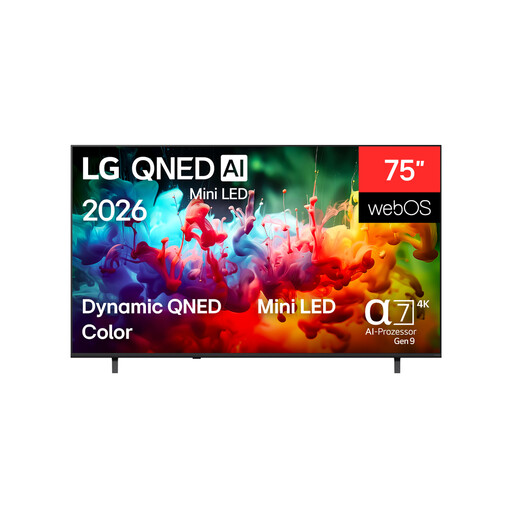
LG 75QNED72B6A.AEU QNED Mini-LED 4K Smart TV, 75 inches
For comparing a larger Mini-LED TV; check the side view and motion settings with the signal you actually use.
The product specifications list a 75-inch screen, QNED Mini-LED, 4K and 60 Hz.
Joybuy
 No image available
LG OLED77C67LA OLED 4K Smart TV, 77 inches, 120 Hz
An OLED model to compare for side seating; check the picture from the furthest seat and with your signal source.
The product specifications list a 77-inch screen, OLED, 4K, 120 Hz and webOS.
Joybuy
Frequently asked questions
Does a high refresh rate guarantee a better tennis broadcast?
No. A high gaming refresh rate alone doesn’t prove that a tennis broadcast will look better. The native panel refresh rate, motion settings and frame rate of the actual signal are separate things to check. Compare a tennis clip using the signal source you plan to use.
How can I check whether a TV looks good from the side?
Watch the same tennis clip from the furthest seat you plan to use. Look at the court colour, contrast and how easy it is to see the ball; results for other sizes or model variants aren’t a substitute for checking the TV yourself.
Is Mini-LED automatically suitable for side seating?
No. Mini-LED construction alone doesn’t prove that the TV will look good from the side. Check the specific model from the outermost seat and weigh brightness and reflection handling against any changes to the picture.
What should I consider when setting up a TV for side seats?
Measure the viewing distances and available space, then check the picture from the furthest seat. For wall mounting, the fixing dimensions need to match the specific TV; for example, Sony lists VESA 30 × 30 cm for the K-65XR8M2, but this isn’t a universal size.
Is a particular energy efficiency class required for watching tennis?
No. EU rules on energy labelling for electronic displays don’t require a particular efficiency class as a condition of purchase. Compare the energy information for the specific model code; the relevant legislation is Regulation (EU) 2019/2013.


