
Lieferung heute & morgen

Qualitätsgarantie

Willkommens-Angebote freischalten: KOSTENLOSE Lieferung | Bis zu 80 % RABATT | Kostenlose 30-Tage-JoyPlus-Testphase
App herunterladen
The aroma of lemongrass, galangal, and coconut milk evokes memories of your last holiday or a visit to your favourite restaurant. Thai cuisine captivates with its complex balance of sweet, sour, salty, and spicy. Yet, attempts to replicate these flavours at home often lead to disappointment. The problem usually isn't the recipe, but the choice of ingredients. Before you buy Thai cooking ingredients again, you should be aware of three common pitfalls that can ruin the cooking experience.
To ensure your dishes turn out perfectly, it's helpful to focus on objective characteristics rather than marketing promises. Two parameters are particularly telling when selecting Asian seasoning pastes and sauces.
The order of ingredients indicates their proportion in the product. For a high-quality green curry paste, fresh green chillies should be listed first, followed by lemongrass, galangal, garlic, and shallots. For a red curry paste, it's dried red chillies. Pay attention to key ingredients that are essential for specific dishes:
The choice between a concentrated paste and a ready-to-use sauce depends on your cooking style and the time you have available.
To make your decision easier, we have compiled products for different user profiles. This selection is based on the objective criteria of ingredients and intended use.
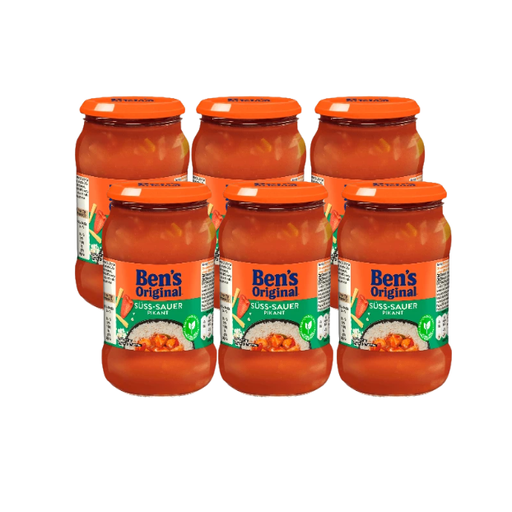
Why This Fits Their Persona: Ideal for anyone who wants to prepare a Thai-inspired dish quickly and easily. The sauce is ready to use and requires no additional seasoning, making it perfect for quick weeknight dinners.
This sauce doesn't claim niche authenticity but delivers a clear flavour profile: sweet and spicy. It bypasses the "false authenticity" trap with clear positioning as a convenient, ready-made sauce.
High convenience, as it can be used straight from the jar. The balanced blend of sweetness and spice is very accessible to the Western palate.
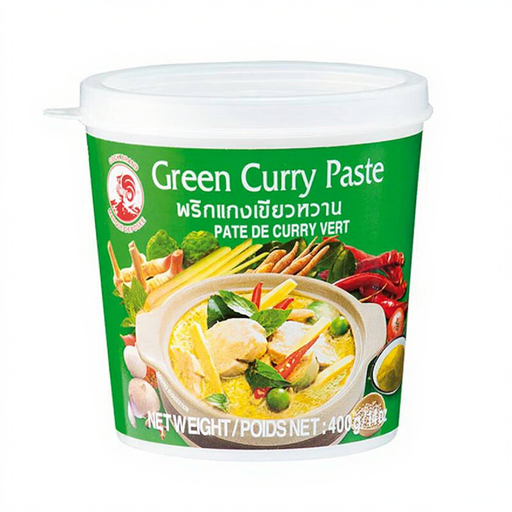
Why This Fits Their Persona: For those who want full control over their curry and wish to build the flavour from scratch. This paste serves as an aromatic base that can be enhanced with coconut milk, vegetables, and protein to create a customized dish.
The ingredients list is short and precise, with 33% fresh green chillies listed first. It contains no unnecessary fillers or excessive sugar, providing an honest, concentrated spice base.
High concentration of authentic ingredients like lemongrass and galangal. The 400g container is economical and offers great value for money for regular use.
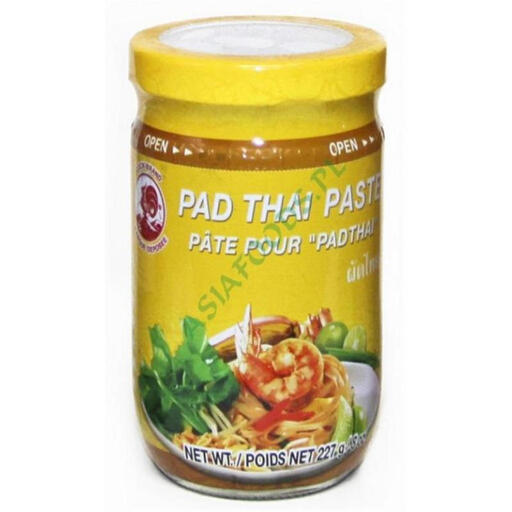
Why This Fits Their Persona: For lovers of Thailand's national dish who want to perfectly capture the complex flavour of Pad Thai without lengthy experimentation. This paste combines the necessary sweet, sour, and salty notes in one product.
Instead of a generic "stir-fry sauce," this is a dedicated Pad Thai Paste. The ingredients list, with 12% shallots and roasted peanuts, is specifically designed for this one dish, thus avoiding an overly sweet, undifferentiated flavour.
Saves you from having to buy and mix tamarind paste, fish sauce, and sugar separately. The paste provides a consistent and balanced flavour base for a quick and successful Pad Thai.
We have compiled a complete, up-to-date list of products that fully meet these strict selection criteria and comply with German regulations.
Opened curry pastes should always be stored in the refrigerator. Due to their high salt and chilli content, they often last for several weeks to months. It is advisable to smooth the surface of the paste in the jar with a clean spoon to minimize contact with air. Always follow the manufacturer's instructions on the label.
The colour and flavour of the three main curry pastes are determined by their primary ingredient:
For most savoury, non-vegetarian Thai dishes, fish sauce (Nam Pla) is a fundamental ingredient. It provides the essential salty and umami component that is crucial for the flavour depth of curries, soups like Tom Yum, and salads. While there are vegetarian alternatives based on soy, a high-quality fish sauce from Thailand is nearly irreplaceable for achieving the classic, authentic taste.