
Lieferung heute & morgen

Qualitätsgarantie
App herunterladen
Kategorien
A Thai seasoning paste, also known as curry paste, is a concentrated blend of herbs and spices that serves as the foundation for numerous dishes in Thai cuisine. The composition of these pastes fundamentally defines the flavour profile, colour, and heat level of the final dish. The three primary varieties—red, green, and yellow—differ fundamentally in their main ingredients. An informed choice of the right paste is crucial for the success of the recipe.
The decision to purchase a Thai Curry Paste should be based on an analysis of specific product characteristics. The following parameters are relevant for selection.
The colour of a curry paste is a direct indicator of the chilli varieties and spices used.
The heat level is a critical selection criterion and correlates strongly with the type of chilli used and its proportion in the paste.
It is advisable to check the ingredients list, as the percentage of chillies provides an objective indication of the expected heat level.
A high-quality original Thai Curry Paste is distinguished by an authentic list of ingredients. Look for the presence of key components such as:
The absence of artificial preservatives or flavour enhancers can also be an indicator of product quality.
The container size should match the intended use. A 400g curry paste is a common size suitable for both regular use in private households and for professional use in the food service industry. After opening, the paste should be stored in the refrigerator and consumed within a specified period to preserve its aromatic quality.
Based on an analysis of product specifications, we present three varieties that differ in their composition and application.
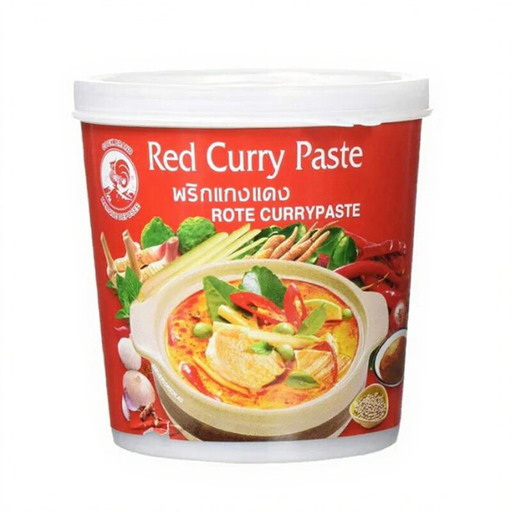
Why we recommend this product: This red curry paste is distinguished by its 28% content of dried red chillies. Its composition provides a balanced base for classic red Thai curries. The paste combines the heat of the chillies with the aroma of lemongrass, galangal, and spices, making it a versatile foundation for curries, soups, and stir-fries.
Pros:
Who it's for:
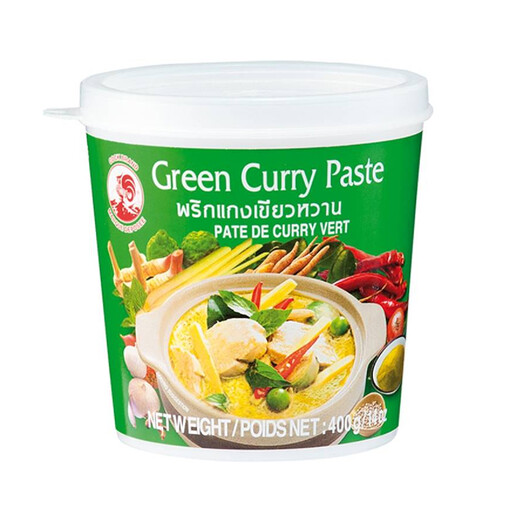
Why we recommend this product: With a 33% content of fresh green chillies, this green curry paste is the most intense variety in this selection. The use of fresh chillies instead of dried ones creates a particularly vibrant, hot, and aromatic profile. It is the foundation for the eponymous dish "Kaeng Khiao Wan."
Pros:
Who it's for:
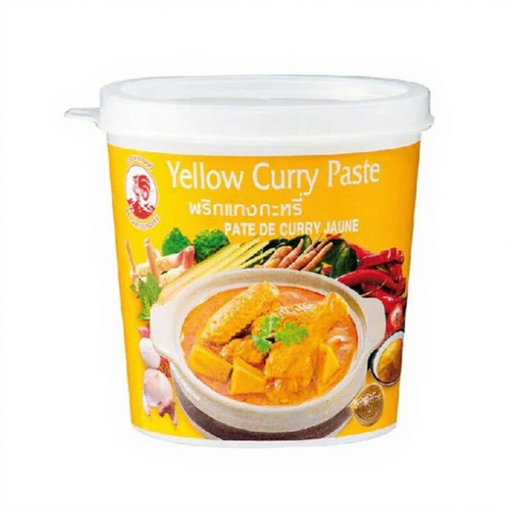
Why we recommend this product: This yellow curry paste is the mildest option, focusing on a warm, aromatic flavour profile. In addition to dried red chillies, its main components are primarily turmeric, which is responsible for the yellow colour, as well as cumin and coriander seeds. It is excellently suited for creamy curries made with coconut milk.
Pros:
Who it's for:
Beyond these specific curry pastes, there is a wide range of seasoning bases to expand your culinary possibilities. If you are looking for other cooking sauces or complete meal kits, you will find a curated selection of products for international cuisine in our Cooking Sauce Kits category.
1. What is the fundamental difference between red, green, and yellow curry paste? The main difference lies in the ingredients used, which determine the colour, heat, and aroma. Green paste is based on fresh green chillies and is usually the hottest. Red paste uses dried red chillies for a medium heat. Yellow paste is the mildest and gets its colour and aroma primarily from turmeric and other spices like cumin.
2. How do I properly store opened Thai curry paste? After opening, the curry paste should be stored in an airtight container in the refrigerator. To maximise its shelf life, you can cover the surface of the paste in the container with a thin layer of vegetable oil to minimise contact with oxygen. Follow the manufacturer's instructions for shelf life after opening, which is typically several weeks to months.
3. Can curry paste be used for dishes other than curry? Yes, Thai curry pastes are versatile seasonings. A small amount can be used to marinate meat, fish, or tofu. They are also suitable for flavouring soups (e.g., Tom Kha), stir-fries, salad dressings, or as a spicy component in dips and spreads.