
Lieferung heute & morgen

Qualitätsgarantie

Willkommens-Angebote freischalten: KOSTENLOSE Lieferung | Bis zu 80 % RABATT | Kostenlose 30-Tage-JoyPlus-Testphase
App herunterladen
The search for the right Thai Curry Paste can quickly feel like a journey through a jungle of colourful labels and vague promises. Many products available in Western supermarkets are heavily adapted to local palates and have little in common with the authentic, complex aroma of Thai cuisine. As a Joybuy Product Recommendation Officer, I'll help you navigate the common pitfalls and find a paste that truly suits your cooking needs.
Before you buy curry paste, you should be aware of three common problems:
To make an informed decision, you should check three core parameters. These will help you objectively evaluate the quality of a Thai Curry Paste and avoid disappointment.
The ingredients list is your most reliable compass. Ingredients are listed by weight. For a high-quality green curry paste, fresh green chillies should be the first ingredient, while for a red curry paste, it should be dried red chillies. Look for the presence of essential Thai ingredients:
If these components are missing or appear far down the list, it's likely a less authentic product.
Many traditional Thai curry pastes, especially red and Panang varieties, contain shrimp paste (called "Kapi" in Thai). This ingredient delivers a deep, salty umami flavour that is characteristic of many dishes. At the same time, it makes the product unsuitable for those with a shellfish allergy, as well as for vegan or vegetarian diets. Check the ingredients list carefully if you are looking for a vegan curry paste. Fortunately, there are now numerous alternatives that are free from animal products yet still offer a full-bodied flavour.
It's important to distinguish between a concentrated curry paste and ready-made Thai sauces.
Here are some recommendations tailored to different needs and preferences.
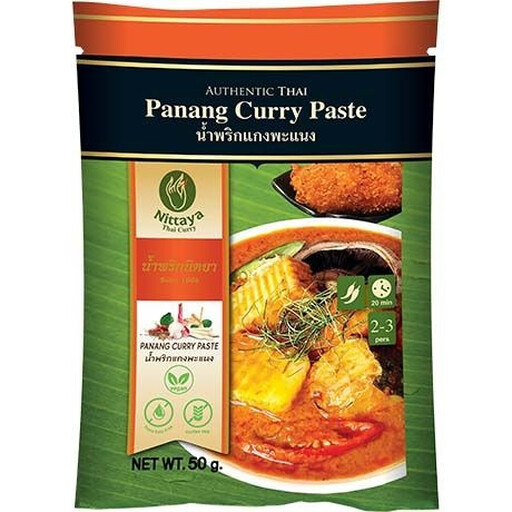
Why This Fits Their Persona: Ideal for anyone cooking a Thai curry for the first time. The 50g packet is perfect for a single dish, so no leftovers are forgotten in the fridge. The mild, nutty flavour of the Panang Curry Paste is approachable and not overly spicy.
This paste bypasses the "authenticity" trap by relying on traditional ingredients like lemongrass and galangal, despite its vegan formula. The flavour is well-defined and not masked by sugar.
Its vegan recipe makes it versatile. The included peanuts provide the characteristic nutty aroma of a genuine Panang curry.
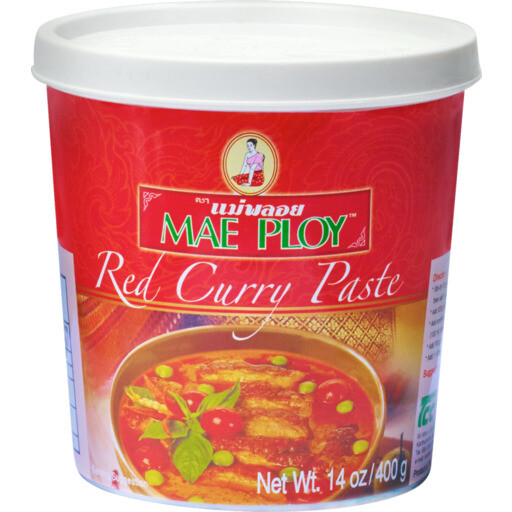
Why This Fits Their Persona: For cooks seeking the deep, complex, and salty umami flavour of a traditional curry. This red curry paste contains shrimp paste, ensuring an authentic taste experience just like you'd find in Thailand.
The ingredients list is clean and traditional: garlic, dried red chillies, and lemongrass take centre stage. Instead of sugar, the spices and shrimp paste provide the depth of flavour.
The high concentration of spices and the inclusion of shrimp paste create an intense, multi-layered aroma that is difficult to achieve with products lacking this ingredient. The 400g tub is convenient for regular use.
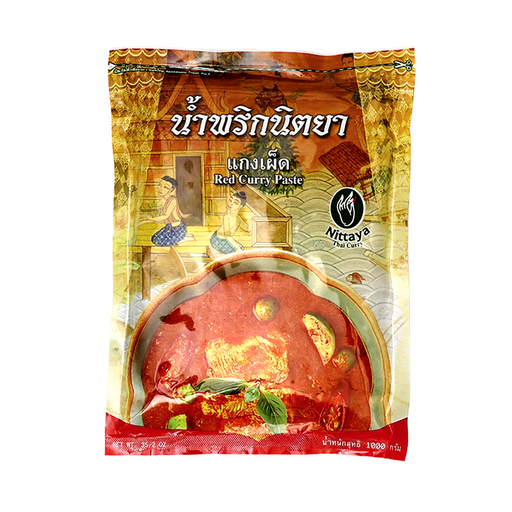
Why This Fits Their Persona: This 1kg bulk pack is designed for restaurants or home cooks who are regularly cooking Thai food in larger quantities. It offers excellent value for money without compromising on quality.
As a professional-grade product, this paste focuses on high spice density. Dried red chillies (25%) are the first ingredient, guaranteeing a robust heat and colour. You won't find any fillers here.
The economical bulk pack provides an authentic, potent base for numerous dishes. The paste is known for its reliability in professional kitchens.
We have compiled a complete, up-to-date list of products that fully meet these strict selection criteria and UK food regulations.
1. How long does Thai curry paste last after opening? Once opened, curry paste should be stored in the refrigerator. Most manufacturers recommend consuming it within a few weeks to a few months. A good indicator is the surface: as long as it retains its colour, doesn't dry out, and shows no signs of mould, it is generally still good. The oil in the paste acts as a natural preservative.
2. How can I identify a truly hot curry paste? The most reliable indicator is the percentage of chillies in the ingredients list. A paste with a 25–33% chilli content (such as the Cock Brand Thai green curry paste) is significantly hotter than one with 10%. Red curry pastes tend to be hotter than yellow ones, while green pastes have a different kind of heat due to the fresh chillies.
3. Can I use curry paste for dishes other than curries? Yes, absolutely. Thai curry paste is extremely versatile. A small amount can be used as a flavour base for soups (like Tom Yum Paste for the soup of the same name), marinades for meat or tofu, in stir-fry dishes, or even to enhance dips and dressings.