
Lieferung heute & morgen

Qualitätsgarantie

Willkommens-Angebote freischalten: KOSTENLOSE Lieferung | Bis zu 80 % RABATT | Kostenlose 30-Tage-JoyPlus-Testphase
App herunterladen
Preparing authentic Thai dishes at home can be a rewarding culinary experience. However, buying the right Thai food ingredients online presents a challenge for many home cooks. Vague product descriptions and exaggerated marketing claims often lead to disappointment and unsatisfactory results.
Before you fill your shopping cart, it helps to understand two common pitfalls that can compromise the flavour of your dishes:
This guide will help you navigate these hurdles and select products that serve as a solid foundation for your Thai cooking adventures.
To ensure you're buying high-quality and suitable Thai groceries, you should check two key parameters. These will help you separate the best from the rest and make an informed purchasing decision.
The soul of a Thai dish lies in its specific ingredients. A high-quality paste or sauce is defined by a clear and traditional composition.
The country of origin can be a clue to the recipe's authenticity. Products made in Thailand for the local or Asian market often adhere to more traditional flavour profiles.
At the same time, a quick check of the nutrition table is revealing. A high sugar content (e.g., over 25g per 100g) in a seasoning sauce can be a red flag. This suggests that the sweetness may be masking other, more subtle flavours. A conscious look at these values helps you avoid overly sweetened products and maintain control over your dish's flavour profile.
Based on the criteria above, we have selected a range of products suitable for different profiles and needs in the Thai kitchen.
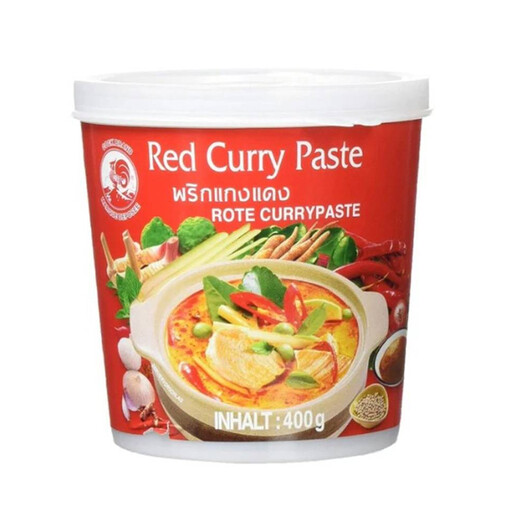
Why this product is a great fit: Ideal for anyone who wants to quickly prepare a flavour-packed curry without compromising on ingredients. This paste forms a reliable and robust base that just needs to be combined with coconut milk, vegetables, and a protein.
The paste is specifically designed for red curry, thus avoiding the trap of a generic "Thai sauce." The ingredient list, with 28% dried red chillies, lemongrass, and galangal, is geared towards authenticity, not excessive sweetness.
Its concentrated formula delivers a deep, spicy aroma. The 400g container is also long-lasting, offering excellent value for money over several meals.
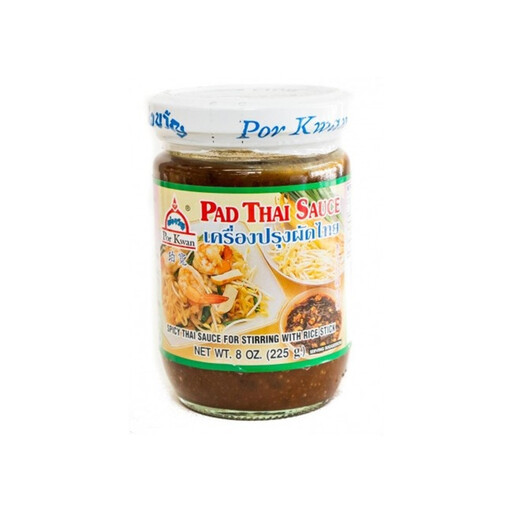
Why this product is a great fit: For anyone looking to recreate Thailand's national dish at home. This sauce provides the complex flavour base that is crucial for a successful Pad Thai.
Instead of a non-specific stir-fry sauce, this is a product explicitly developed for Pad Thai. The ingredient list includes the necessary components like shallots, peanuts, and fish sauce. According to the ingredients, the acidity comes from tartaric acid (E334), which serves a similar function to tamarind.
The sauce is already seasoned and balanced. This saves you from buying and measuring multiple individual ingredients like tamarind paste, fish sauce, and palm sugar.
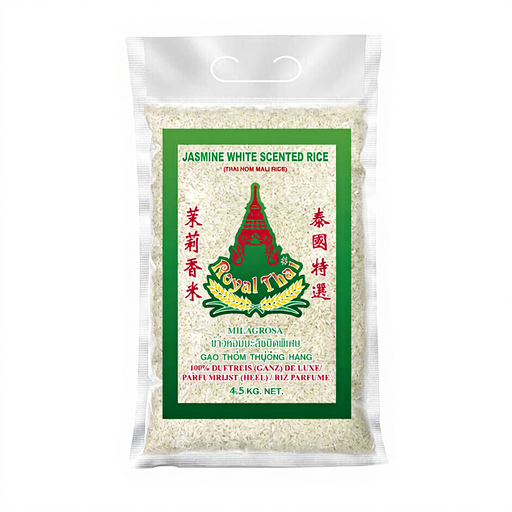
Why this product is a great fit: For cooks who know that an excellent Thai meal starts with the right rice. This Thai jasmine rice is the indispensable foundation for curries, stir-fries, and more.
This product is 100% Thai jasmine rice and is certified with the "Thai Select" quality seal. This rules out the possibility of it being an inferior rice blend or broken grains falsely marketed as premium jasmine rice.
The certification guarantees high quality in terms of aroma, texture, and purity. The 4.5kg value pack is ideal for anyone who cooks Thai food regularly.
We have compiled a complete, up-to-date list of products that fully meet these strict selection criteria and UK regulations. From instant noodles and classic Thai Tea Mix to specialty Thai sauces, you'll find everything you need for your kitchen.
The main difference lies in the type of chillies used, which affects the heat level and flavour:
Most seasoning pastes and Thai sauces should be stored in the refrigerator after opening. To maximise their shelf life, always use a clean spoon and seal the lid tightly. Opened pastes should be used within a few weeks or months (check the manufacturer's instructions on the label). A pro tip for curry pastes: you can freeze them in small portions in an ice cube tray and take out what you need, when you need it.
Yes, for an authentic result, using the right Pad Thai ingredients is crucial. Traditionally, flat rice noodles are used, often referred to as "Chantaboon" noodles. They have the ideal width and texture to absorb the sauce without becoming mushy. Products like the Golden Pagoda Fresh Pad Thai Noodle are pre-cooked and only need to be briefly heated in the wok with the sauce, which significantly simplifies preparation. While other noodles can be used as a substitute, the authentic mouthfeel is best achieved with the designated rice noodles.