The selection of jasmine rice can be overwhelming. Different brands, grain qualities, and package sizes often make the decision difficult. Whether you're preparing authentic Thai dishes, feeding a large family, or seeking an economical solution for your restaurant, choosing the right rice is crucial for the success of your meals.
This guide is designed to help you understand the differences between the various options. We'll present objective criteria and a selection of products so you can find the perfect jasmine rice for your needs.
What to Look for When Buying Jasmine Rice
To make an informed decision, it's helpful to have some basic knowledge about jasmine rice. Pay attention to the following characteristics.
1. Grain Quality: Whole Grains vs. Broken Rice
The quality of the rice grain has a direct impact on its texture and application.
- Whole Grains (Premium): These are rice grains that have remained intact during processing. They cook evenly and fluffy, hold their shape, and are excellent as a side dish where the individual grain structure is visible and important.
- Broken Rice:Broken rice consists of grains that have fractured during the hulling or polishing process. It is typically more affordable than whole-grain rice. Because the starch is released more quickly, broken rice cooks up softer and stickier. It's an excellent choice for dishes like congee (rice porridge), rice pudding, or fried rice, where a creamier consistency is desired. The aroma and flavour are fully preserved.
2. Origin and Quality Seals: The Importance of "Thai Hom Mali"
Jasmine rice is an aromatic rice grown primarily in Southeast Asia. The highest grade of quality comes from Thailand.
- Thai Hom Mali Rice: This quality seal is awarded by the Thai government only to the highest-grade variety of jasmine rice. Hom Mali rice is harvested just once a year and is known for its distinct, floral aroma, reminiscent of pandan leaves. If you're looking for the authentic taste for Thai cuisine, rice with this designation is a reliable choice.
3. Package Size: From 1 kg to Bulk Packs
The choice of package size depends on your consumption and storage space.
- 1 kg Bags: Ideal for individuals, small households, or for trying out a new variety like black jasmine rice.
- Bulk Sizes (e.g., 20 kg jasmine rice): A bulk rice pack offers a significant price advantage per kilogram. It is the most economical option for families, shared living situations, and especially for the food service industry, which has high and regular consumption. For large containers, ensure cool, dry storage to maintain quality.
Our Jasmine Rice Picks
Here is an overview of different jasmine rice varieties that meet various needs.
Royal Thai Jasmine Long Grain Rice, Thai Premium Selection, 20kg
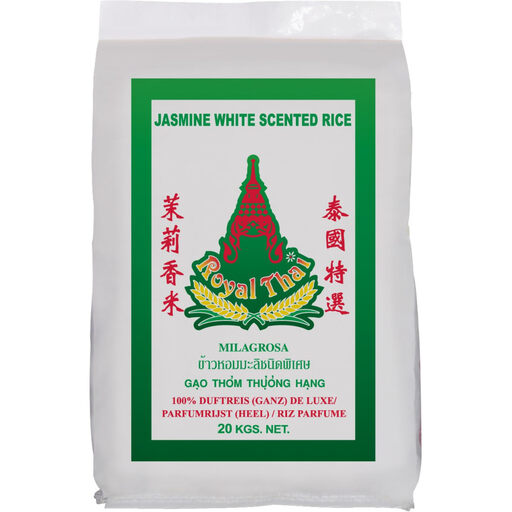
- What sets it apart: This product consists of broken grains of 100% Thai Hom Mali jasmine rice. It offers the authentic aroma and slightly sweet taste of premium rice at a very economical price.
- Advantages:
- Excellent value for money in the 20 kg bulk pack.
- Retains the characteristic fragrance and flavour of jasmine rice.
- The cooked result is softer and slightly stickier, ideal for certain dishes.
- Who it's for: Budget-conscious buyers, large families, and food service businesses that use rice for dishes like fried rice, congee, or as a filling, where the grain structure is less of a priority.
Royal Umbrella Thai Hom Mali Jasmine Rice 18kg
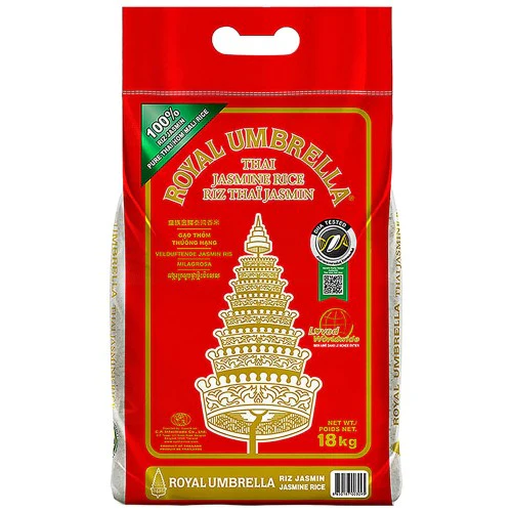
- What sets it apart: This rice carries the renowned "Thai Hom Mali" seal and is considered the benchmark for premium jasmine rice. The whole, long grains and intense fragrance make it a top choice for professional kitchens.
- Advantages:
- Certified premium quality (Thai Hom Mali rice).
- Evenly cooking, whole grains with a soft texture.
- Intense, floral aroma for authentic dishes.
- Who it's for: Food service professionals and discerning home cooks who value authenticity, a flawless presentation, and the classic fragrance of high-quality Thai rice.
Kaset Thai Black Jasmine Rice 1kg
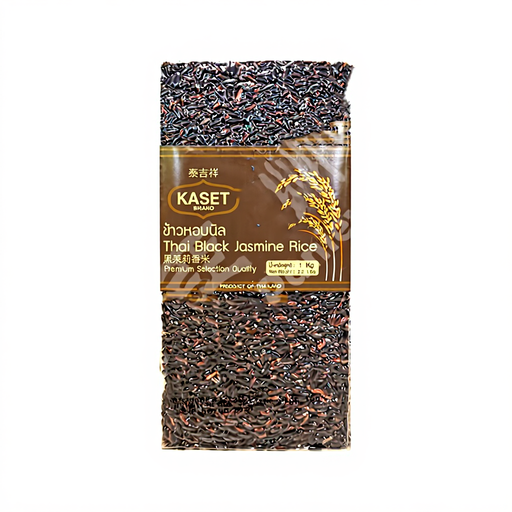
- What sets it apart:Black jasmine rice is a whole-grain variety that turns a deep purple colour when cooked. It has a slightly sticky texture and a nuttier flavour than white jasmine rice.
- Advantages:
- A striking appearance that adds a special touch to dishes.
- Pleasantly soft and slightly sticky consistency.
- A natural product with no additives.
- Who it's for: Adventurous cooks and anyone looking for a visually appealing and flavourful alternative to classic white rice for salads or as a side dish.
Royal Thai Perfume Jasmine Longgrain Rice 1 kg
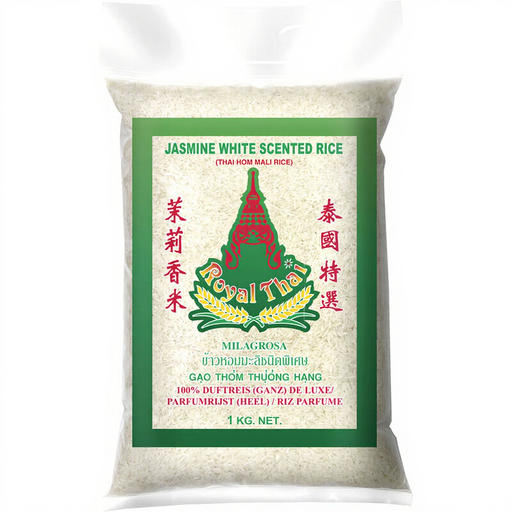
- What sets it apart: This long-grain rice has a very low percentage of broken grains—only 5% (according to the manufacturer)—and is characterized by a more neutral aroma profile. It is less sticky and fragrant than Hom Mali rice.
- Advantages:
- High grain quality with few broken pieces.
- Versatile, as its flavour is not overpowering.
- Especially well-suited for making fried rice.
- Who it's for: Cooks who need a reliable, all-purpose long-grain rice that works for a variety of dishes and allows other flavours to take centre stage.
Looking for More Options?
If you're looking for more rice products or inspiration for dishes that pair well with rice, you can find additional choices and matching ingredients in our Pork Rice category.
Frequently Asked Questions (FAQ)
1. What is the difference between jasmine rice and basmati rice? Both are aromatic long-grain rice varieties, but they differ in origin, aroma, and texture. Jasmine rice primarily comes from Thailand, has a floral aroma, and becomes soft and slightly sticky when cooked. Basmati rice comes from India and Pakistan, has a nutty aroma, and cooks up into longer, drier, and separate grains.
2. How do you cook jasmine rice correctly in a rice cooker? When using a rice cooker, it is recommended to give the rice a quick rinse to remove excess starch. A common ratio is 1 cup of rice to 1.2 cups of water. After the cooking cycle finishes, let the rice steam in the closed pot for about 10 more minutes to allow the moisture to distribute evenly.
3. Do you need to wash jasmine rice before cooking? It is generally recommended to briefly wash jasmine rice once or twice with cold water. This removes excess starch from the grain's surface and prevents the rice from becoming too sticky. However, washing it too vigorously can diminish its delicate aroma.
Written by: Joybuy Product Recommendation Officer


