
Lieferung heute & morgen

Qualitätsgarantie

Willkommens-Angebote freischalten: KOSTENLOSE Lieferung | Bis zu 80 % RABATT | Kostenlose 30-Tage-JoyPlus-Testphase
App herunterladen
The variety on the Asian noodle shelf can be overwhelming. From thick, chewy strands to paper-thin threads, the selection is vast, but making the right choice is often difficult. Many home cooks grab the wrong type and are disappointed with the result. Before you order noodles online again, you should know the most common pitfalls to make an informed choice.
As your Joybuy Product Recommendation Officer, I'll help you navigate the marketing noise and find the noodles that truly suit your dish.
To find the right noodles for your kitchen, focus on three objective parameters. These will help you evaluate product characteristics independently of marketing claims.
The base of the noodle largely determines its texture, flavour, and intended use.
The processing method affects cooking time, shelf life, and texture.
Depending on your needs, the package size can be a decisive factor. Individually portioned packs (e.g., 200g) are ideal for singles or for trying out a new variety. For families, food service, or if you cook Asian food regularly, bulk pack noodles (often 5 kg or more) are an economical choice.
Here are some recommendations tailored to specific needs and use cases.
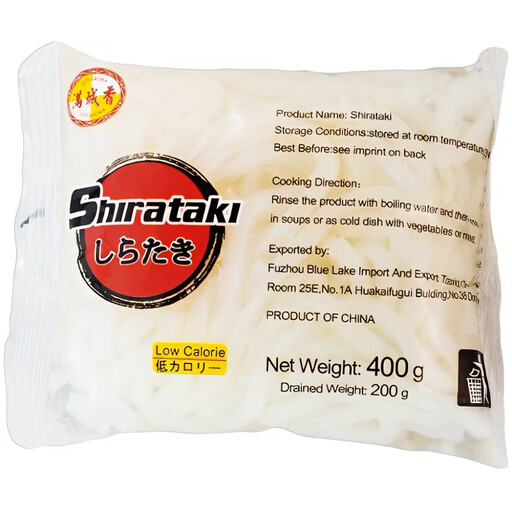
Why This Fits Their Persona: Ideal for anyone on a low-carb diet or watching their blood sugar levels. These konjac-based noodles are a light alternative to traditional wheat or rice noodles and fit perfectly into a health-focused lifestyle.
The ingredient list is short and clear: konjac (54%), water, and an acidity regulator. There are no hidden fillers or starches, which avoids the pitfall of unclear ingredients.
Very low in carbohydrates and fat. The neutral taste absorbs the flavours of sauces and broths very well.
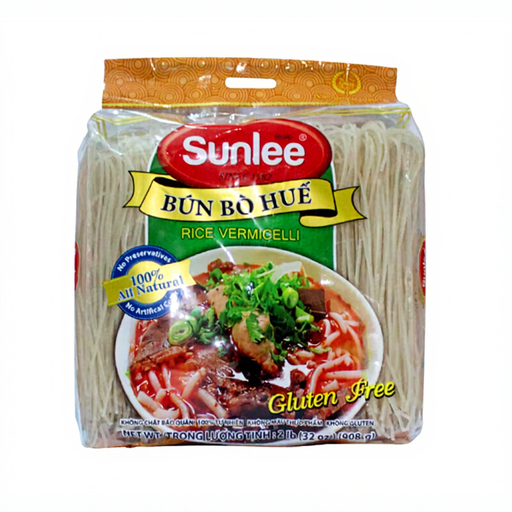
Why This Fits Their Persona: Perfect for cooks who want to prepare a specific, authentic dish like the Vietnamese soup Bún bò Hu?. These noodles provide the exact thickness and texture required for this traditional recipe.
This product bypasses the pitfall of choosing the wrong noodle. The name "Bún bò Hu?" clearly indicates its intended use, ensuring an authentic result.
Made from just two ingredients: rice and water. The thick, robust texture doesn't disintegrate even in hearty broths.
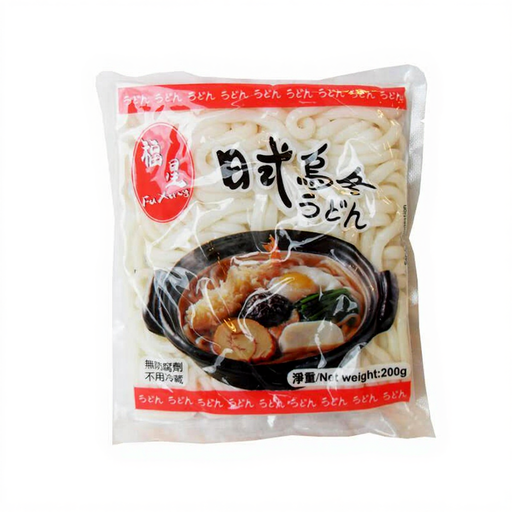
Why This Fits Their Persona: An economical and practical solution for families or anyone who uses udon noodles regularly. The bulk pack contains 30 individually wrapped 200g portions, which simplifies storage and portioning.
This bulk pack with individual portions solves the problem of unsuitable pack sizes. You don't have to store a huge open package, thus preventing the noodles from losing their freshness.
Very fast cooking time of 2–3 minutes. The udon noodles are versatile and can be used for soups, stir-fries, or cold noodle salads.
We have compiled a complete, real-time list of products that fully satisfy these strict selection criteria and UK safety regulations.
1. How do I properly store opened fresh Asian noodles? Vacuum-packed fresh noodles should be stored in the refrigerator after opening and ideally consumed within two days. Pay attention to the manufacturer's instructions on the packaging, as some products have specific storage recommendations.
2. How can I identify high-quality udon noodles? High-quality udon noodles have a smooth surface and a uniform, thick shape. After cooking, they should have a pleasantly chewy yet soft texture (known as "mochi-mochi" in Japanese) and not become mushy. A short ingredient list consisting mainly of wheat flour, water, and salt is often a good sign.
3. Can you use rice noodles for stir-fry dishes? Yes, but it's important to choose the right type. Wide, flat rice noodles (similar to those for Pad Thai) are well-suited for stir-frying as they are heat-resistant and don't break easily. Thin rice vermicelli should only be added very briefly at the end of the cooking process, as they cook quickly. It is advisable to cook the noodles according to package instructions and rinse them well beforehand.