
Lieferung heute & morgen

Qualitätsgarantie

Willkommens-Angebote freischalten: KOSTENLOSE Lieferung | Bis zu 80 % RABATT | Kostenlose 30-Tage-JoyPlus-Testphase
App herunterladen
The transition to USB-C is complete for smartphones, laptops, and even tablets like the iPhone 15 and current Android devices. This also signals the slow demise of the classic 3.5mm headphone jack. However, finding the right USB-C headphones is often more complicated than expected. Many products overpromise and underdeliver, leading to frustration and unnecessary expense.
This guide reveals the three most common pitfalls to avoid when buying and explains which technical features you need to look for to find a future-proof and functional audio solution.
Before you make a purchase, you should be aware of the common marketing promises that often fall short in practice.
To avoid these issues, you should focus on three core parameters. These determine the sound quality, functionality, and longevity of your headphones.
The DAC is the heart of any USB-C headphone. It converts the digital audio signals from your smartphone or laptop into analogue signals that the headphones can reproduce.
The choice between wired USB-C headphones and a Bluetooth model depends entirely on your use case.
These two terms are often confused, but they describe completely different functions.
Here are some models tailored to specific needs that take the above criteria into account.
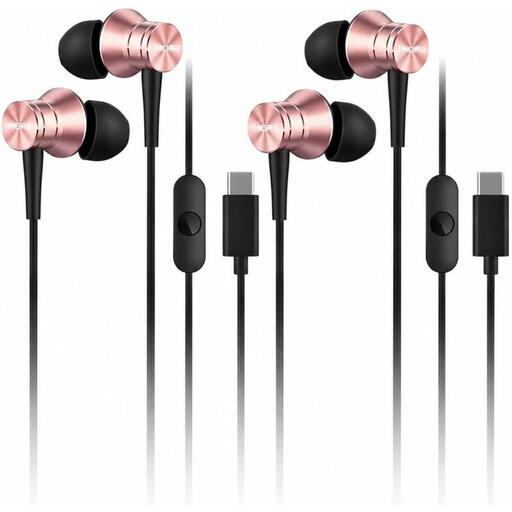
Why This Fits Their Persona: Ideal for users seeking a straightforward, reliable solution for their daily commute or occasional calls. No batteries, no pairing—just plug and play. The dual pack also offers excellent value for money.
As a wired model, it completely bypasses the misleading battery life trap. The direct USB-C connection ensures stable compatibility with modern devices, avoiding the typical issues found in cheap Bluetooth adapters.
Plug-and-play functionality; Kevlar-reinforced cable for durability; integrated microphone with remote control.

Why This Fits Their Persona: Perfect for commuters and professionals who work in noisy environments. The combination of powerful ANC for undisturbed listening and advanced microphone technology for clear calls makes them a reliable tool for the mobile workday.
This model directly addresses the unusable microphone trap. According to the manufacturer, a 6-microphone system with AI-powered noise cancellation (ENC) ensures clear conversations, bypassing a core problem found in many competing products.
Adaptive Hybrid ANC (up to 50 dB, per manufacturer); 6-mic system for calls; supports LDAC codec for high-resolution audio.
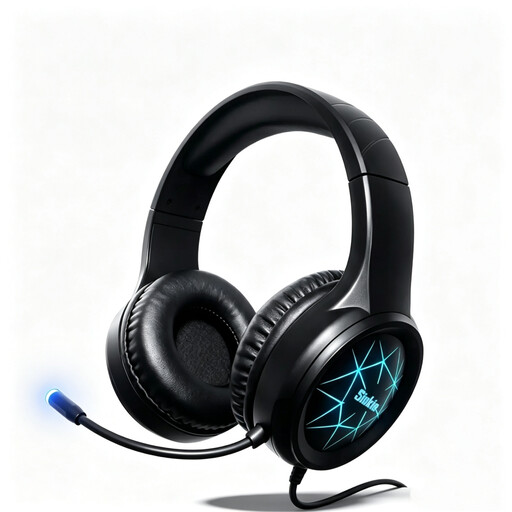
Why This Fits Their Persona: Designed for PC and console gamers who need zero-lag audio transmission and clear team communication. The over-ear form factor provides immersion and comfort during long gaming sessions.
The wired USB connection eliminates the latency that is a critical disadvantage of Bluetooth headphones for gaming. The dedicated boom microphone with noise cancellation is specifically designed for clear voice transmission, avoiding the trap of poor-quality integrated mics.
Wired USB and 3.5mm connections for broad compatibility; 50mm drivers for powerful sound; dedicated noise-cancelling microphone.
We have compiled a complete, real-time updated list of products that fully meet these strict selection criteria and safety regulations.
Not necessarily. Compatibility depends on the integrated Digital-to-Analogue Converter (DAC). Models that are explicitly specified for the iPhone 15 or use a high-quality, standards-compliant DAC will typically offer full functionality, including the microphone and controls. It is advisable to check the product description for explicit compatibility statements.
ANC (Active Noise Cancellation) reduces ambient noise for the listener, allowing you to enjoy your music or podcasts without interruption. ENC (Environmental Noise Cancellation) is a microphone technology that filters out background noise for the person on the other end of the call, making your voice clearer. A pair of headphones can have one, both, or neither of these technologies.
On the contrary. Since USB-C transmits a digital signal, the audio quality is primarily dependent on the DAC built into the headphones. A high-quality DAC in a USB-C headphone can deliver significantly better sound quality than the often-standard DAC that was responsible for the 3.5mm jack in many devices. The digital transmission is less susceptible to interference than an analogue signal.