Solo performers in an echoey room
If you want to record a clear monologue, start by considering the distance to the microphone, its position and room reflections. Shure points out that placing the microphone too far away can affect voice quality.


For solo monologues in a quiet room, a recorder with built-in microphones may be enough if you can position it well. If you can hear noticeable echo, or plan to use an external vocal microphone, placement and the right inputs are key. 32-bit float gives you more flexibility when adjusting levels, but it won’t eliminate room reflections or replace a test recording.
If you want to record a clear monologue, start by considering the distance to the microphone, its position and room reflections. Shure points out that placing the microphone too far away can affect voice quality.
If your performance switches between quiet passages and shouts, consider recording and playback together. Zoom and Tascam list 32-bit float as a recording option on certain models; it doesn’t guarantee protection against every kind of distortion.
If you use or plan to buy a separate microphone, make sure the input, required microphone power and number of simultaneous tracks suit your setup.
A good fit if: you want to record solo without a separate microphone and can position the recorder in a suitable spot.
Bear in mind: microphone placement and room echo still matter, and support for an external microphone varies by model.
A good fit if: you want to connect a compatible external microphone or use several input signals.
Bear in mind: you’ll need a microphone, cable and possibly a stand. An external microphone won’t automatically eliminate echo in a reverberant room.
When choosing a recorder for monologues in your home studio, focus on what matters most to you.
| Priority | What to check before buying | Who this matters to |
|---|---|---|
| Room echo and speech clarity | Placement options, a stable stand and headphone monitoring; make a short test recording where you plan to speak. | If I’m recording in an echoey room, I want to try different distances and angles before making a long take. For around 33% of consumers, controlling the sound of the room comes first. |
| Quiet and loud passages | Check whether the specific model supports 32-bit float and which recording modes it offers; record and listen back to the loudest passage as a test. | If my monologue switches between quiet speech and shouts, I want to be able to check both. Around 27% of consumers prioritise handling changes in volume. |
| External vocal microphone | Check the connector type, required microphone power and number of simultaneous inputs on the exact model. | If I want to use a microphone I own or plan to buy, I need the right input, not just any socket. For around 20% of consumers, the microphone connection is their main concern. |
| Longer takes and file management | Check storage, storage media, power options and how files are transferred; test recording and playback before your monologue. | If I’m recording longer rehearsals, I want to save and transfer takes without interrupting my workflow. Around 20% of consumers prioritise a practical recording and storage process. |
A recording format won’t remove room reflections. If the microphone is too far away, more reflected sound may end up in the recording.
Try listening back to recordings made in several positions where you’ll actually be speaking before investing in another device.
Finding the right position or improving the room may take extra time to set up.
Tascam Europe describes the DR-05XP as having a stereo mini-jack, while the H4essential has XLR/TRS inputs. These connections are not interchangeable.
Check the connector type and the microphone power required against the specifications for the exact recorder.
Tascam lists the Portacapture X8 among its discontinued products, while BOSS describes the BR-80 as discontinued.
Treat a model’s position in a comparison list as information for comparison, and check its production status before buying.
The range includes recorders with built-in microphones as well as devices with additional inputs.
The DR-05XP is designed for recording with built-in microphones, while the Portacapture X8 is a multi-track option.
The LS-P5 is a compact option if built-in storage and remote-control features are important to you.
The MICRO BR BR-80 combines stereo recording with music production features, making it worth considering if you need those extra functions.
The Joybuy products below are compact voice recorders for standalone recording. Compare their storage, microphone setup and controls with the monologue and playback workflow you have in mind.
 No image available
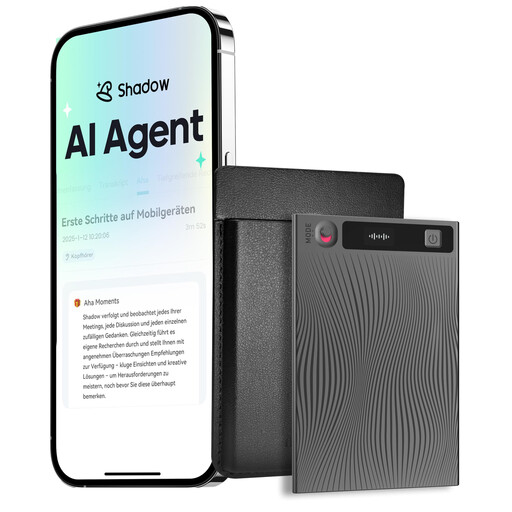
The built-in microphone setup may suit standalone voice recordings; test it where you plan to speak.
64 GB storage; 3-microphone array; 20 hours of recording time; Wi-Fi and Bluetooth.
 No image available
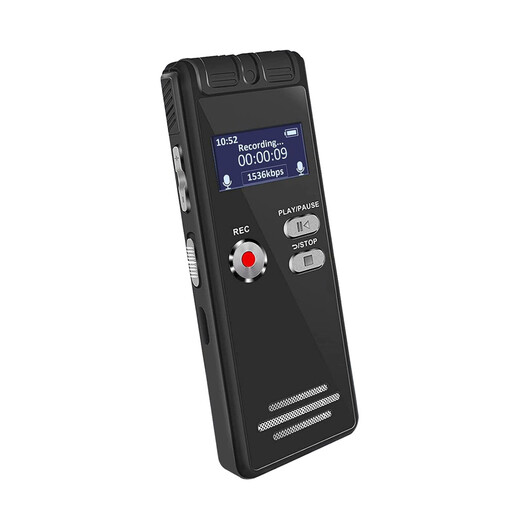
If you want to start recording a take straight away, the product description mentions one-button recording. Listen to a short test recording before a longer rehearsal.
16 GB; two omnidirectional microphones; up to 22 hours of continuous recording according to the product description; TF card listed as included.
 No image available
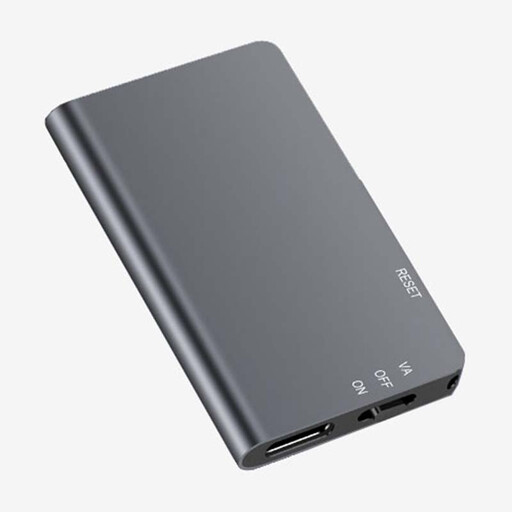
For longer voice recordings, the product description lists the storage capacity and recording time. Check that the file format and transfer options suit your next steps.
64 GB; up to 22 hours of continuous recording; WAV at 512 kbps/48 kHz; USB-C; headphone playback and one-button recording listed.
 No image available
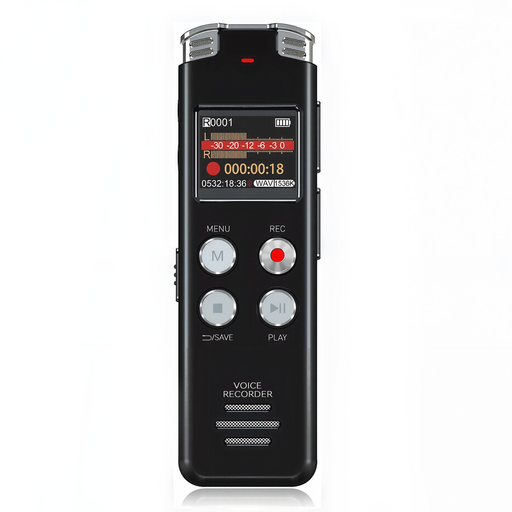
If you want to listen to sections of your monologue repeatedly, the product description mentions A-B repeat. Try playback before using the recorder.
128 GB; MP3 and WAV support; A-B repeat; voice-activated recording (AVR) listed.
 No image available
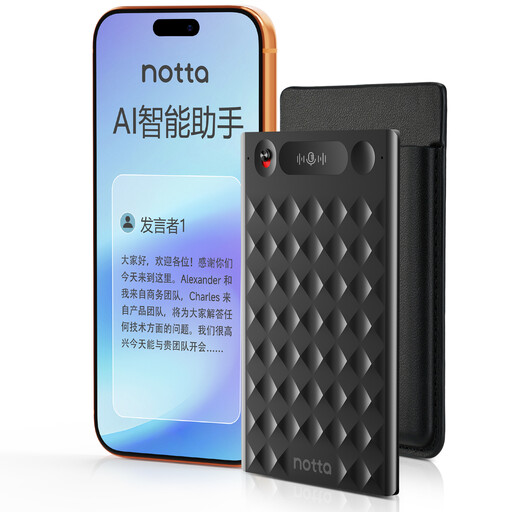
If you want to use your recordings as part of your writing process, the product description mentions real-time transcription and summaries. Check that these features suit your workflow.
32 GB; 4-microphone array; 30-hour battery life; real-time transcription and summaries listed.
With a supported recording mode, 32-bit float can make it easier to adjust levels afterwards, but it won’t remove room reflections. Listen to the loudest section too, rather than assuming the format alone will prevent distortion.
Set the recorder up securely, check the storage and power supply, and listen back to a short test recording made where you’ll actually be speaking. If you can hear echo, try changing the distance or position first; Shure emphasises the importance of microphone placement.
The seller is generally responsible for the statutory warranty; this is separate from any voluntary manufacturer’s guarantee. The Verbraucherzentrale explains your warranty rights and the applicable conditions.
Not without their permission: § 201 StGB makes it an offence to record another person’s non-public spoken words without authorisation. Get the person’s permission before recording them; this provision does not apply simply because you record a monologue spoken entirely by yourself. The relevant law is § 201 StGB, published by the Federal Ministry of Justice and the Federal Office of Justice.
If the text is protected by copyright, making it publicly available online may involve a separate copyright permission. Check the rights for the specific text and your planned publication; owning a recorder doesn’t automatically give you permission to upload it. Among the relevant provisions is § 19a UrhG, published by the Federal Ministry of Justice and the Federal Office of Justice.