What should you look for when buying?
For InDesign 21.3 and Photoshop 27.x, Adobe lists 8 GB of RAM as the minimum and 16 GB as the recommendation. Before settling on a model range, also check the specific software version, display variant and print requirements.
| Consideration |
What to check before buying |
Who is this important to? |
| Switching between layouts and references |
RAM and upgrade options for the specific configuration, as well as the operating system and software version. |
If I use layout software, images and browser references at the same time, I want to match the specification to my applications. Around 36% of consumers prioritise switching between open programmes and references. |
| Matching colours and print output |
Check the display specifications for the specific variant, and confirm the colour profile, PDF settings and bleed with the printer. |
If my cover is going to print, I want to match what I see on screen with the print requirements, rather than relying on the display specification alone. Around 29% of consumers focus on the print and colour workflow. |
| Viewing the design and templates together |
The diagonal size and resolution of the chosen display variant; if needed, check the connections and support for an external monitor. |
If I want to see the cover and templates at the same time, the usable screen space matters most to me. Around 21% of consumers prioritise having a clear overview on screen. |
| Moving between your workspace and the theatre |
Weight, screen size, available ports and what’s included with the specific configuration. |
If I regularly take my laptop to rehearsals or meetings, it needs to suit how I travel and the accessories I use. Around 14% of consumers prioritise portability. |
Joybuy products for cover design
The following Joybuy products include 16-inch models with different display, memory and port configurations. Compare each specification with your software and print workflow; a large display or plenty of RAM is no substitute for coordinating with your printer.
 No image available
Lenovo ThinkBook 16 Gen 9, Intel Core Ultra 5 325, 32 GB, 512 GB SSD
A 16-inch workspace and 32 GB of RAM are useful points to consider if you work with layouts and references at the same time.
16-inch IPS display with a 16:10 aspect ratio and 1920 × 1200 pixels; 32 GB DDR5; 512 GB PCIe SSD; Windows 11 Pro; HDMI 2.1 and Thunderbolt 4; stated weight: 1.7 kg.
Joybuy
 No image available
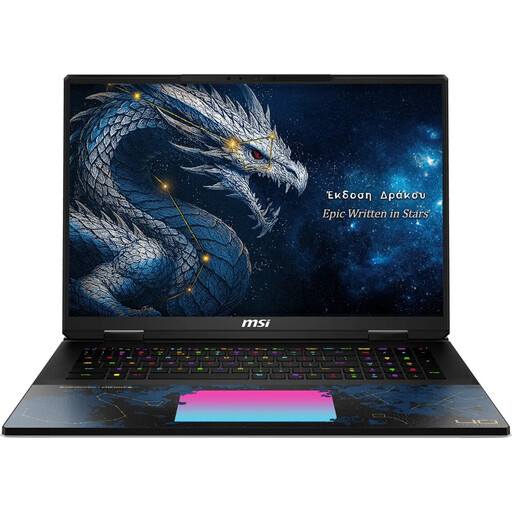
MSI Titan 18 HX Dragon Edition Draco Epic A2WJ-1218
The 18-inch display gives you plenty of built-in space for designs and references. Bear in mind its stated weight of 3.6 kg if you’ll be carrying it regularly.
Intel Core Ultra 9 290HX Plus; NVIDIA GeForce RTX 5090 with 24 GB; 96 GB DDR5; 4 TB SSD; 18-inch UHD+ Mini-LED display with 240 Hz; Windows 11 Home.
Joybuy
 No image available
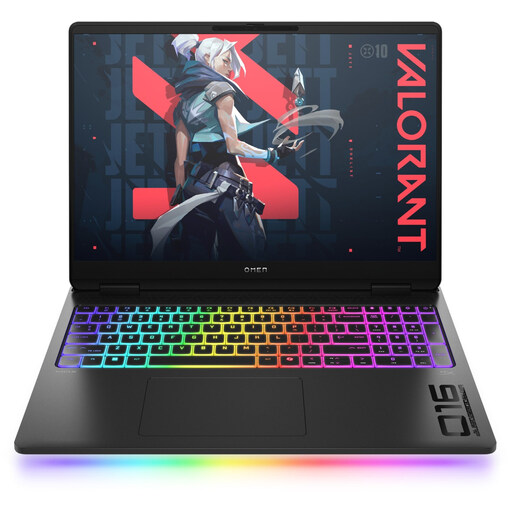
HP OMEN MAX 16-ah0698ng, Intel Core Ultra 9 275HX, 64 GB, 2 TB SSD
This 16-inch OLED configuration gives you a larger built-in workspace. A DCI-P3 specification doesn’t replace the need to coordinate the colour profile and print output with your printer.
GeForce RTX 5090 with 24 GB; 64 GB RAM; 2 TB SSD; WQXGA resolution of 2560 × 1600 pixels; 240 Hz; Windows 11 Home; 100% DCI-P3 according to the product description.
Joybuy
 No image available
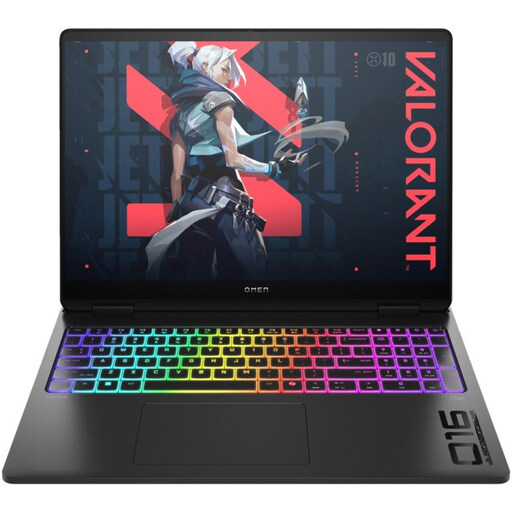
HP OMEN MAX 16-ak0693ng, AMD Ryzen AI 9 HX 375, 32 GB, 1 TB SSD
The 16-inch display gives you room to compare covers and templates. Bear in mind its stated weight of 2.66 kg if you’ll be carrying it regularly.
GeForce RTX 5070 Ti with 12 GB; 32 GB RAM; 1 TB SSD; WQXGA OLED display with 2560 × 1600 pixels and 240 Hz; Windows 11 Home; 100% DCI-P3 according to the product description. The colour gamut specification alone doesn’t guarantee accurate print colours.
Joybuy
 No image available
THUNDEROBOT Radiant S16, AMD Ryzen 7 7745HX, 16 GB, 1 TB SSD
Its 16 GB of RAM matches Adobe’s recommendations for InDesign and Photoshop, while the 16-inch display gives you built-in space for designs and references.
QHD+ display with 2560 × 1600 pixels and 240 Hz; 16 GB DDR5; 1 TB SSD; NVIDIA GeForce RTX 5060; HDMI and Mini DisplayPort.
Joybuy
Frequently asked questions
Is 16 GB of RAM required for cover layouts?
No. For InDesign 21.3 and Photoshop 27.x, Adobe lists 8 GB as the minimum and 16 GB as the recommendation. If you use several programmes and references at once, the recommendation is a useful guide, not a guarantee of performance for a particular project.
Is an OLED or P3 display enough for accurate print colours?
No. The display specification alone doesn’t describe the final print output. Adobe treats colour profiles and output conditions as part of print colour management, so confirm the required settings with your printer.
How do I prepare a full-bleed cover for print?
Ask your printer about their PDF settings and the required bleed. Adobe explains that full-bleed designs need a bleed area, and that PDF export options control printer’s marks, bleed and output profiles separately. The 3 mm given as an example by Adobe isn’t a universal requirement for every printer.
What should I check before placing my first print order?
Make sure your display, colour profile and PDF settings match your printer’s requirements. Also check that your installed software version is compatible with your operating system, and keep your source files and references organised so you can track any changes.


