
Lieferung heute & morgen

Qualitätsgarantie

Willkommens-Angebote freischalten: KOSTENLOSE Lieferung | Bis zu 80 % RABATT | Kostenlose 30-Tage-JoyPlus-Testphase
App herunterladen
The Ordinary skincare appeals to many people looking for transparent ingredient lists, individual active ingredients and predictable prices. However, the extensive range can make choosing more difficult: a serum with a high concentration of active ingredients is not automatically suitable for every skin type, and several active products cannot be combined indiscriminately.
The Joybuy Product Recommendation Officer selection helps you assess marketing terms objectively and find the right routine for different skincare needs.
A high percentage can sound convincing at first. With retinol, vitamin C or salicylic acid, however, the concentration alone does not indicate whether a product is suitable for your skin. The formulation, texture, frequency of use and your individual skin sensitivity are also important.
For example, anyone starting directly with The Ordinary Retinol 0.5% in Squalane should build up usage gradually. For sensitive skin, a lower strength or a different retinoid formulation may be more appropriate.
The Ordinary serum products are designed to address individual skincare goals. That does not mean that all products should be layered on top of one another. According to the product information, retinoids should not be combined with other retinoid products. Certain vitamin C formulations and niacinamide are also listed in the supplied usage guidance as combinations to avoid.
A straightforward routine with a few well-tolerated products is easier to maintain day to day than an overloaded skincare system.
Some formulations require particular care. The Ordinary Retinol 0.5% in Squalane should be refrigerated after opening and used within three months. For all products, pay attention to the best-before date, batch code and PAO symbol shown on the packaging. Direct sunlight and high heat are unsuitable for many serums.
The INCI list shows which ingredients are actually included. Depending on the product, The Ordinary Hyaluronic Acid may contain, for example, Sodium Hyaluronate, hydrolysed hyaluronic acid and Sodium Hyaluronate Crosspolymer. These different forms can have different properties within the formulation in terms of texture and moisture retention.
For dry or dehydrated skin, The Ordinary Hyaluronic Acid 2% + B5 is a logical option, as the product description lists several forms of hyaluronic acid, panthenol, phospholipids and sphingolipids. This is a cosmetic moisturising product, not a medical product.
Watery serums are usually applied after cleansing and before cream or oil. Oil-based formulations, such as the vitamin C serum with Tetrahexyldecyl Ascorbate, are better suited to later steps in your routine. A lightweight emulsion may be suitable for the evening, while a richer cream can be used as the final step for dry skin.
The quantity of product also matters: a 15 ml serum such as Pycnogenol or Retinal cannot be compared directly with a 60 ml bottle. The price should therefore always be considered in relation to the contents, how long it will last and how often it is used.
When choosing The Ordinary for sensitive skin, fragrances, active acids and retinoids should be checked particularly carefully. A patch test on a small area of skin may be advisable before applying a product over a larger area for the first time. If you experience burning, persistent redness, itching or a rash, stop using the product.
Anyone looking for The Ordinary for blemish-prone skin will find the Clear Set, which combines cleansing, salicylic acid and moisturising care. Salicylic acid is a cosmetic exfoliating active ingredient; according to the product information, the set is not an acne treatment. If skin problems persist, seek medical advice.
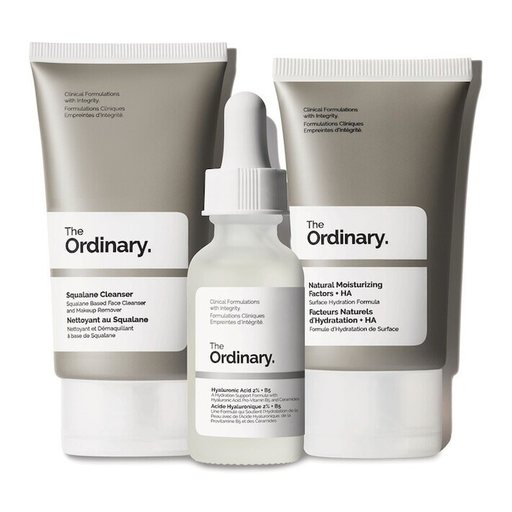
Why this product suits the profile: This set combines cleansing, hyaluronic acid and moisturising care for a straightforward introduction to The Ordinary facial skincare.
Instead of buying several individual serums without a clear plan, the set contains three clearly defined basic steps.
Contains Squalane Cleanser, Hyaluronic Acid 2% + B5 and Natural Moisturizing Factors + HA in one set.
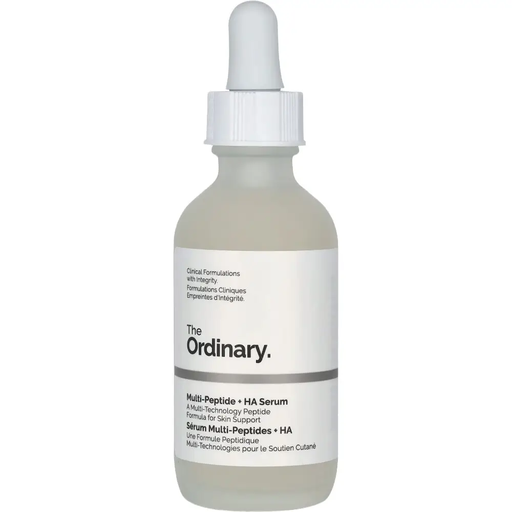
Why this product suits the profile: The formulation combines several peptide technologies, amino acids and hyaluronic acid complexes for a structured anti-ageing routine.
The selection is based on specifically listed ingredient technologies rather than a sweeping age-related or efficacy claim.
60 ml of product, plus peptides, amino acids and several forms of hyaluronic acid.
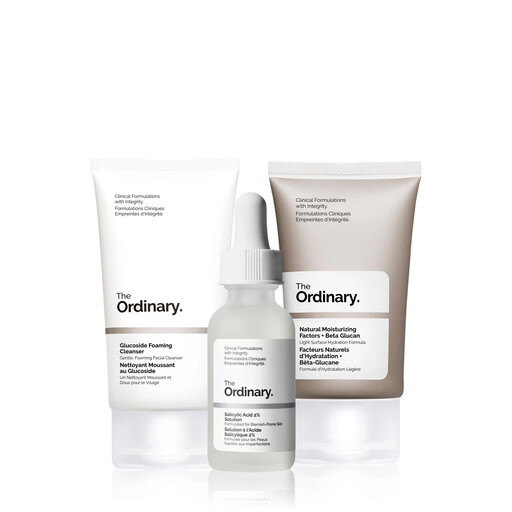
Why this product suits the profile: This three-piece set is designed for people who want to combine cleansing, salicylic acid and moisturising care in one established routine.
The routine is divided into three steps, reducing the risk of using several exfoliating products at the same time.
Contains Glucoside Foaming Cleanser, Salicylic Acid 2% Solution and Natural Moisturizing Factors + Beta Glucan.
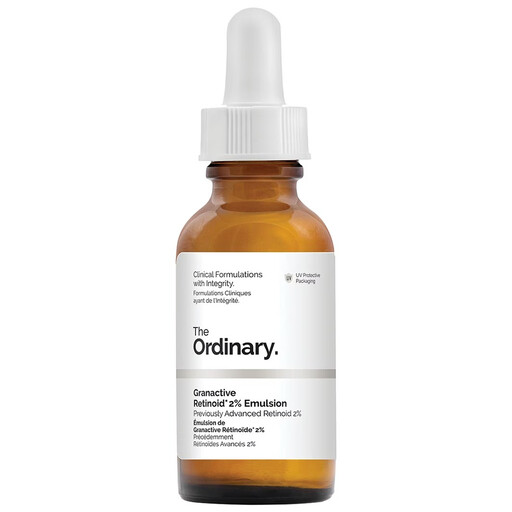
Why this product suits the profile: This lightweight, milky emulsion is designed for an evening routine featuring a single retinoid.
The product information explicitly recommends evening use and avoiding other retinoid products.
30 ml emulsion with Hydroxypinacolone Retinoate and Retinol; designed for evening use.
For dry or dehydrated skin, moisture-focused products such as The Ordinary Hyaluronic Acid 2% + B5, the Rice Lipids + Ectoin Microemulsion or a set containing moisturiser may be suitable. Hyaluronic acid should then be followed with a cream or emulsion, so that your routine does not consist solely of a watery serum.
Shelf life depends on the individual formulation. The PAO symbol, stated expiry date and information on the packaging are the key points to follow. According to the product information, Retinol 0.5% in Squalane should be refrigerated and used within three months of opening. Changes in smell, colour or consistency should be taken as a reason to stop using the product.
Several products can generally be included in the same routine, but not every combination is sensible. Retinoids should not be combined with one another. For vitamin C, niacinamide, acids and peptides, follow the instructions for the individual products. Introducing products gradually makes it easier to assess how well your skin tolerates them.