
Lieferung heute & morgen

Qualitätsgarantie

Willkommens-Angebote freischalten: KOSTENLOSE Lieferung | Bis zu 80 % RABATT | Kostenlose 30-Tage-JoyPlus-Testphase
App herunterladen
A high-quality thermos flask is an indispensable accessory for commuters, outdoor enthusiasts, and families. It keeps your morning coffee hot on the way to work, your tea warm on a hike, or your lemonade cool on a summer day. However, the market is flooded with models whose promises often don't hold up in practice. The result: lukewarm drinks, leaky bags, and wasted money.
As your Joybuy Product Recommendation Officer, I'm here to help you separate the wheat from the chaff. Instead of falling for marketing hype, we'll focus on the facts. In this guide, I'll show you the three most common pitfalls when buying a thermos flask and what you should look for instead to make a well-informed decision.
Before we look at recommended models, it's crucial to understand the most common problems. Many buyers regret their purchase because they encounter one of these three flaws:
To avoid these problems, you should focus on three core features when making your selection. These define the durability and functionality of your new thermos flask.
The standard material for a high-quality insulated flask is double-walled stainless steel. Look for the 18/8 stainless steel specification (also known as Type 304). This material is food-grade, rust-proof, and flavour-neutral. For transporting acidic foods like soups, Type 316 stainless steel is even more resistant. A crucial factor is ensuring that all parts that come into contact with food are BPA-free.
Insulation performance depends on the quality of the vacuum between the two stainless steel walls. This vacuum prevents heat transfer through convection. High-quality manufacturing without microscopic leaks is crucial for long-lasting temperature retention. Some models further optimise insulation with a copper coating on the inner side of the outer wall, which reduces heat radiation.
A good lid is 100% leak-proof, even with carbonated drinks if designed for them. At the same time, it should be easy to disassemble and clean.
Instead of making a one-size-fits-all recommendation, we have selected products tailored to specific needs that successfully avoid the pitfalls mentioned above.
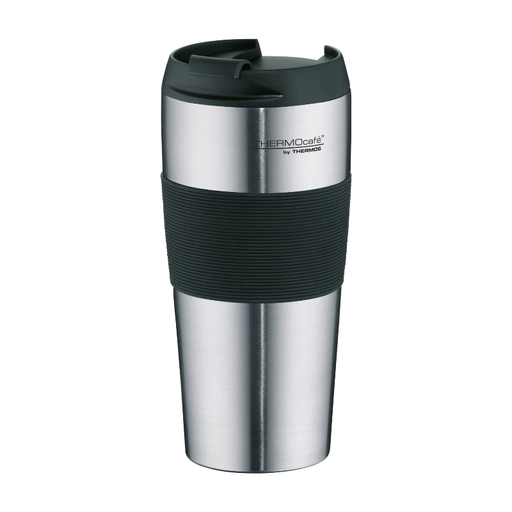
Why This Fits Their Persona: This insulated mug is designed for life on the go. At 0.4 litres, it's the ideal size for a morning coffee on the way to work and fits in most car cup holders. The one-handed operation is especially practical for commuters.
The intuitive flip-top lid is engineered to be completely leak-proof when closed. It's easy to disassemble for cleaning and is dishwasher-safe, thus avoiding the trap of unhygienic lids.
The "Grip Zone" ensures a secure hold. The mug is made from flavour-neutral stainless steel with no internal coating and is BPA-free.
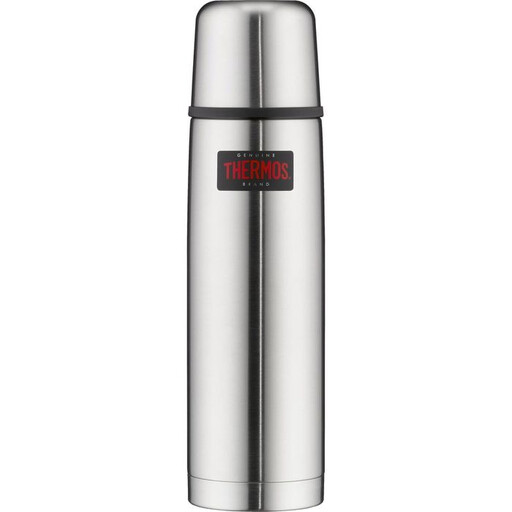
Why This Fits Their Persona: A reliable and robust insulated flask is essential for hikes or long workdays outdoors. This 0.75-litre model offers high insulation performance and is built to be shock-proof and shatter-proof.
This model counters the trap of unrealistic insulation claims with specific manufacturer ratings (up to 18h hot / 24h cold) and a design focused on maximum temperature retention. The auto-seal lid is robust and time-tested.
The disassemblable auto-seal lid with an integrated drinking cup is extremely practical for on-the-go use. The flask is dishwasher-safe, making it easy to clean.
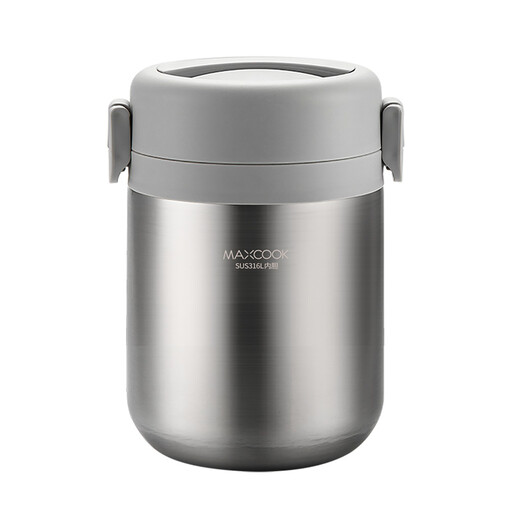
Why This Fits Their Persona: Anyone wanting to take soups, stews, or other hot meals on the go needs a dedicated insulated food jar. This model, with its wide opening, is designed precisely for that purpose, making filling, eating, and cleaning significantly easier.
It avoids the pitfall of unsuitable materials by using high-grade 316 stainless steel, which is particularly resistant to corrosion from salts and acids in food. The wide opening solves the problem of impractical handling associated with narrow-necked flasks.
The large 1.5-litre capacity is ideal for a full meal. The reliable, tight-sealing lid prevents soups and sauces from leaking.
We have compiled a complete, real-time list of products that fully satisfy these strict selection criteria and UK safety regulations.
The most thorough cleaning is done by hand with warm water and mild washing-up liquid. For stubborn odours or stains, fill the flask with a mixture of warm water and a spoonful of baking soda or a little vinegar essence, let it sit for a few hours, and then rinse thoroughly. Always allow the flask and lid to air dry separately to prevent odours from forming.
BPA (Bisphenol A) is a chemical compound used in the manufacturing of certain plastics. It is suspected of having harmful health effects. A thermos flask or travel mug labelled as BPA-free guarantees that this chemical is not present in the plastic parts that come into contact with food (e.g., in the lid or seal). This is an important standard for food safety.
Generally, this is not recommended, as the pressure created by the carbonation can damage the seal and lead to leaks. A few models, such as the Thermos TC Bottle, are explicitly designed for carbonated drinks according to the manufacturer. Always check the manufacturer's specifications before use to ensure your flask is suitable.