
Lieferung heute & morgen

Qualitätsgarantie

Willkommens-Angebote freischalten: KOSTENLOSE Lieferung | Bis zu 80 % RABATT | Kostenlose 30-Tage-JoyPlus-Testphase
App herunterladen
A thermos flask is designed to keep coffee, tea or water at a suitable temperature for many hours. In practice, however, it is often only after buying one that you discover whether the closure, material and capacity suit your everyday needs. A flask for the breakfast table has different requirements from one carried in a rucksack or used to serve a family.
Manufacturer claims such as “keeps drinks hot for up to 12 hours” or “cold for up to 24 hours” usually apply under specific conditions. Preheating or pre-cooling the flask, filling it as fully as possible and keeping the closure system closed all help to maintain the temperature. Frequent opening, small amounts of liquid or cold outdoor temperatures can affect actual performance.
A leak-proof thermos flask is only safe to carry if the lid is fully closed and the seal remains undamaged. Models with a pouring mechanism are convenient, but you should check that the closure is seated correctly before packing the flask away. Carbonated drinks can also cause pressure to build up. Many manufacturers explicitly advise against using their flasks for this purpose.
A 1.5-litre thermos flask is suitable for several people, but it will naturally be heavier when full. For the workplace or a two-person household, 1 litre or less may be easier to handle. A wide opening makes filling and cleaning easier, while narrow openings can be less practical when removing coffee or tea residue.
As a general guide:
The number of cups depends on the size of the cups used. What matters most is how much drink you actually need and whether the flask will be carried regularly.
A stainless-steel thermos flask with double-wall vacuum insulation is resistant to knocks in everyday use and is often suitable for taking on the go. When choosing one, pay attention to information about the inner and outer materials, as well as cleaning instructions. With proper care, stainless steel absorbs relatively little odour, but coffee and tea deposits should still be removed regularly.
A thermally insulated coffee pot with a glass liner may be a good choice for stationary use. Glass is more vulnerable to knocks and sudden changes in temperature, however. If the flask is dropped or shows visible damage, it should no longer be used.
A Quick-Tip closure allows suitable models to be opened and poured with one hand. This is practical at the breakfast table or in the office. An ergonomic, non-slip handle makes pouring safer, particularly with a capacity of 1.5 litres or more.
You should also look for:
Before using the flask for the first time, rinse it with warm water. To improve temperature retention, you can preheat or pre-cool the flask for a few minutes with hot or cold water.
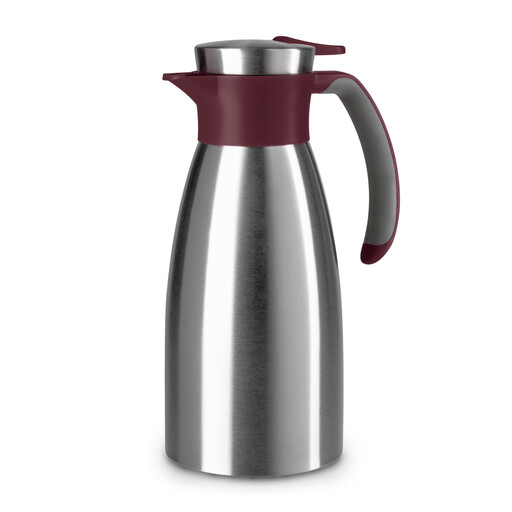
Why this product suits this profile: The 1-litre size is manageable for everyday use at home or in the office. The soft-grip handle and Quick-Tip closure are designed for one-handed use.
The product information specifies a leak-proof closure and double-wall stainless-steel construction. This means key everyday features are clearly described before purchase.
1-litre capacity; according to the product information, keeps drinks hot for up to 12 hours and cold for up to 24 hours; non-slip soft-grip handle.
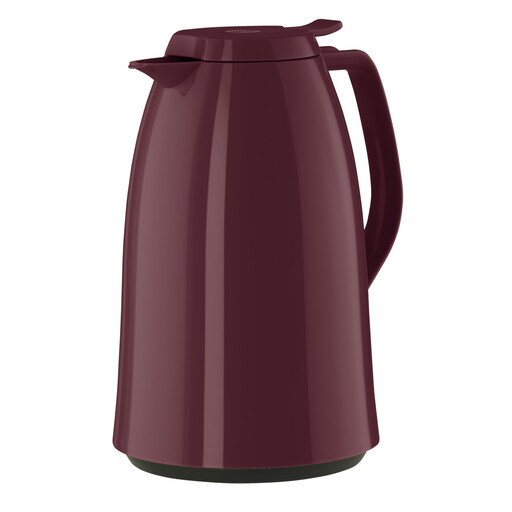
Why this product suits this profile: This insulated flask is designed for households and coffee drinkers who need 1.5 litres and value Quick-Tip operation, a wide opening and a stated guarantee.
The product description explicitly mentions a Quick-Tip closure, leak-proof design and wide opening. The glass liner also requires careful handling.
1.5 litres; according to the product information, keeps drinks hot for up to 12 hours and cold for up to 24 hours; five-year guarantee according to the product information.
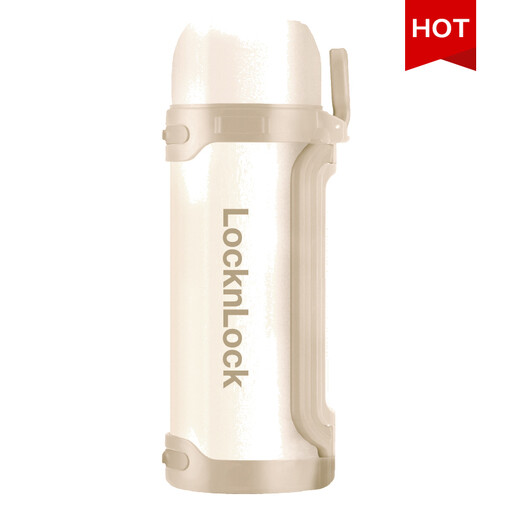
Why this product suits this profile: The 1.8-litre capacity provides plenty for families, larger offices, car journeys or get-togethers. The handle and wide opening make carrying and cleaning easier.
The capacity is clearly stated. The wide bottle neck makes filling and cleaning easier; before transport, the leak-proof lid should be closed fully.
1,800 millilitres; 304 stainless steel according to the product information; wide opening, carry handle and suitable for hot and cold drinks.
For an insulated coffee and tea flask, cleaning with warm water, mild washing-up liquid and a soft brush is usually sufficient. Abrasive cleaners and wire wool can damage surfaces or seals. After washing, leave the flask to dry completely with the lid open.
Hot liquids can cause scalding. For this reason, the flask should not be used for drinking directly and should be kept away from young children. Carbonated drinks, dry ice and perishable liquids such as milk or fruit juice are only suitable if the manufacturer expressly permits their use. A damaged seal, crack or unusual vacuum behaviour indicates that the flask should be replaced.
We have put together a complete, regularly updated list of products that fully meet these strict selection criteria and the safety regulations applicable in the EU.
This depends on the construction, amount of liquid, starting temperature and how often the flask is opened. Some product information states that hot drinks stay warm for up to 12 hours. This should be understood as a maximum value under specific conditions, not as a guaranteed everyday temperature.
Rinse the inner container and lid with warm water and mild washing-up liquid. A soft bottle brush can be useful for larger openings. Before cleaning, check whether individual parts are dishwasher-safe. Many models should only be cleaned by hand.
According to the product information, many double-wall insulated flasks are suitable for both hot and cold drinks. Before filling it, you can pre-cool the flask with cold water. Carbonated drinks should generally not be poured in because they may cause pressure to build up.