
Lieferung heute & morgen

Qualitätsgarantie

Willkommens-Angebote freischalten: KOSTENLOSE Lieferung | Bis zu 80 % RABATT | Kostenlose 30-Tage-JoyPlus-Testphase
App herunterladen
Whether you are commuting, working in the office, camping or cooking at home, thermos flasks and storage containers should keep drinks at the right temperature and reliably protect dry foods. In practice, however, capacity and design are not the only deciding factors. Closures, cleaning requirements and material properties determine whether a product will genuinely suit your everyday routine over the long term.
Claims such as “cold for up to 24 hours” refer to specific test conditions and do not automatically apply to every usage situation. It is also often overlooked that a straw lid, narrow drinking opening or closure that is not fully sealed can affect how practical a product is for everyday use.
When carrying a bottle in a rucksack, it is therefore important to check whether the lid seals securely without the straw. For hot drinks, you should also check whether the manufacturer explicitly permits this type of use. Not every insulated drinking bottle is suitable for tea or coffee.
An airtight storage container reduces exchange with the surrounding environment, but it does not replace proper storage. Coffee beans, flour and tea should be added dry and clean. Even a well-sealed lid cannot prevent frequent opening from allowing moisture and air into the container.
For airtight coffee bean storage, this means choosing the right size, avoiding leaving the container unnecessarily empty, and protecting the contents from heat, light and moisture.
An attractive kitchen storage container set can become impractical if seals are difficult to access or lids may only be cleaned by hand. With thermal mugs, residues also often collect around drinking openings, silicone rings and straws.
Before buying, the care instructions should make the following clear:
For short journeys, a compact stainless steel drinking bottle of around 350 to 500 ml is sufficient. It fits more easily into bags and is suitable for a commute or the desk. For several people, long car journeys or outdoor activities, capacities of 1 to 1.5 litres are a good choice.
An insulated jug or thermos flask with an integrated drinking cup is more suitable for pouring than for drinking directly while on the move. If you want to serve coffee or tea in portions, look for a handle, spout and stable base.
Double-walled stainless steel with vacuum insulation is common in many thermal containers. However, the actual heat or cold retention time depends on the fill level, starting temperature, surroundings and how often the container is opened. A narrow drinking opening reduces direct contact with the surrounding environment, but it is often more difficult to clean.
For BPA-free drinking vessels, this information should be stated explicitly in the product details. BPA-free describes the material of certain plastic components; it does not automatically describe every property of the product as a whole.
You should also look out for:
A storage jar with a wooden lid allows you to see the fill level and may be suitable for pasta, rice or flour. Wooden or bamboo lids often require gentle hand cleaning. Glass is transparent, but it can break if knocked.
Metal or plastic containers with a sealing ring are also suitable for coffee. According to the product description, a moisture indicator such as the one on the MHW-3BOMBER container is intended as a guide and is not designed to be a highly precise measuring instrument. This is an important distinction between a practical additional feature and a definitive measurement.
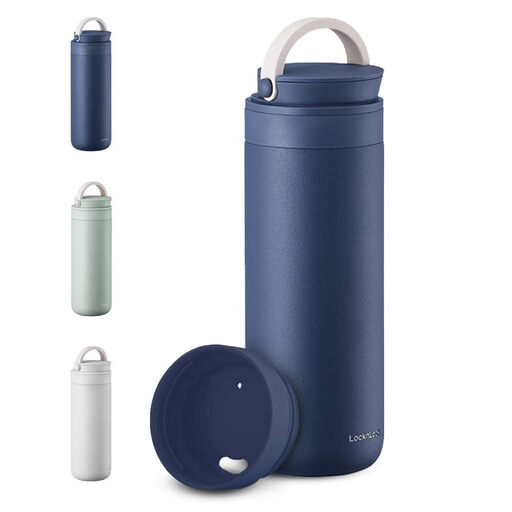
Why this product suits this profile: The 475 ml capacity is designed for the office, commuting and short trips. The narrow drinking opening and wide opening for filling or cleaning make it suitable for different everyday situations.
The two-part opening reduces the compromise between convenient drinking and thorough cleaning. The manufacturer nevertheless recommends hand washing.
475 ml capacity, double-walled stainless steel, BPA-free lid and wide opening for ice cubes.
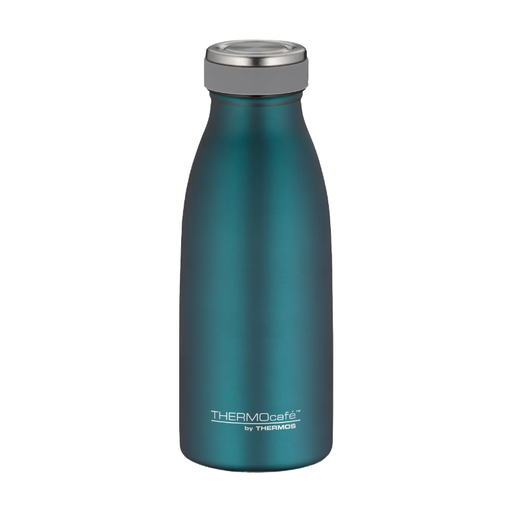
Why this product suits this profile: The slim stainless steel bottle is designed for daily transport in a bag or rucksack and is offered for both hot and cold drinks.
The product details specify hand washing and exclude microwave and freezer use. This makes the care requirements clear before purchase.
Double-walled stainless steel, 0,35 l capacity, BPA-free components and stated heat and cold retention times.
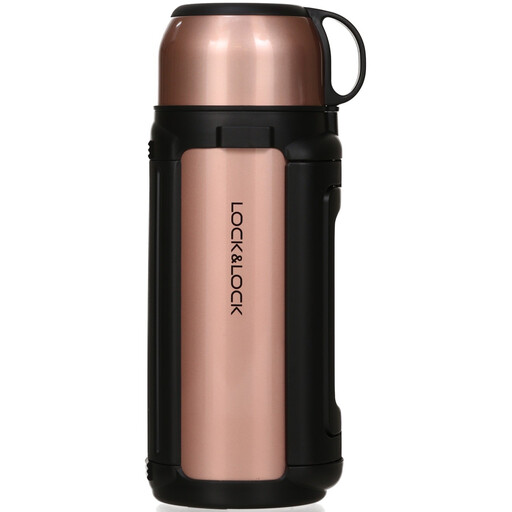
Why this product suits this profile: The 1,5 l capacity is suitable for longer days in the office, family households and outdoor activities where drinks are served by the cup.
The wide opening makes filling and cleaning easier. The product details also specify hand washing, a silicone seal and an integrated cup.
1,5 l capacity, double-walled vacuum insulation, copper coating according to the product details and integrated drinking cup.
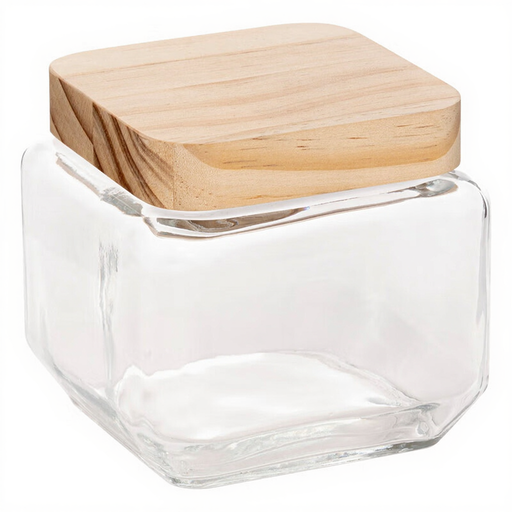
Why this product suits this profile: The transparent storage jar is suitable for coffee, pasta, rice or flour and lets you quickly check the contents on a kitchen shelf or worktop.
The product description states that it has an airtight closure while also advising that the wooden lid should be cleaned by hand. This makes the care requirement clear.
0,85 l capacity, visible glass container, reusable material and a glass container that is dishwasher-safe according to the product details.
We have put together a complete, regularly updated list of products that fully meet these strict selection criteria and the safety regulations applicable in the EU.
Service life depends on the material, closure, care and level of use. Stainless steel bodies are durable under normal use. However, seals, lids and straws may wear out sooner. A brittle silicone ring, persistent odour or reduced leak resistance are signs that you should inspect or replace the affected components.
That depends on the specific design. A silicone ring or precisely fitting lid can make the container considerably more airtight. However, “airtight” should always be assessed based on the product description and closure. Wooden and bamboo lids should generally not be put in the dishwasher.
For one person, around 350 to 500 ml is often sufficient for an insulated cup or thermal mug. If you drink over many hours or want to share drinks, a 1-litre thermos flask or 1,5-litre insulated jug is more practical. Weight, bag-friendly dimensions and the cleaning opening are also important factors.