
Same-day & Next-day Delivery

Quality Guaranteed

Unlock Your Welcome Offers: FREE Delivery | Up to 80% OFF | Free 30-day JoyPlus trial
Download the APP
When buying thermos flasks and insulated mugs, most people first compare capacity, colour and price. For practical everyday use, however, other factors are more important: Does the closure stay leak-proof in a backpack? Is cleaning straightforward? Does the bottle fit in a cup holder? And is the model genuinely suitable for hot drinks?
The following recommendations for 2026 provide an objective overview of key product features and show which insulated bottle, travel mug or insulated carafe is best suited to different situations.
Manufacturers often state maximum heat- or cold-retention times. These figures depend, among other things, on the starting temperature, fill level, ambient temperature and how frequently the lid is opened. A claim such as “cold for up to 24 hours” is therefore not a guaranteed result for every everyday situation.
For commuters, a 500 ml thermos flask or travel mug that keeps drinks warm for several hours is often sufficient. Anyone planning long hikes in summer will generally benefit more from a larger, vacuum-insulated water bottle with room for ice cubes.
Screw caps, one-touch lids and straw closures differ significantly in how they are used. A click closure is convenient on the go, but contains several seals and moving parts. These need to be checked and cleaned regularly.
When choosing a leak-proof water bottle, buyers should look for a clearly defined sealing system, a secure locking mechanism and straightforward care instructions. Before carrying it in a backpack, a quick leak test over the sink is advisable.
Not every stainless-steel water bottle is dishwasher-safe. With some models, only the lid can go in the dishwasher; others must be cleaned entirely by hand. A wide opening is also important: It makes rinsing easier and allows the use of a bottle brush.
304 stainless steel, also known as 18/8 stainless steel, is widely used in insulated bottles and chosen for durable reusable products. 316 stainless steel is used in certain models for its higher corrosion resistance. That alone, however, does not automatically make a bottle suitable for every type of drink.
A BPA-free Tritan water bottle is lightweight and transparent. Such sports bottles are often designed for cold or room-temperature drinks. The temperature limits of the specific product should be observed. Glass interiors in vacuum flasks can be particularly neutral in taste, but are more sensitive to impacts and sudden temperature changes.
Double-wall vacuum insulation reduces heat exchange between the drink and its surroundings. For the daily commute to work or university, capacities between 450 and 750 ml are generally easy to handle. A 1-litre thermos flask is more suitable for longer outings, several people or a higher fluid requirement.
For household use, an insulated carafe or thermos jug with a capacity of 1 to 1.5 litres is a sensible choice. A 2- or 3-litre refrigerator pitcher, by contrast, is not insulated but is intended for storing chilled water, juice or iced tea.
Useful features include:
Carbonated drinks, dry ice and fermenting liquids should only be added if the manufacturer expressly permits this. Hot drinks can cause scalding. The drink should be checked carefully before consumption.
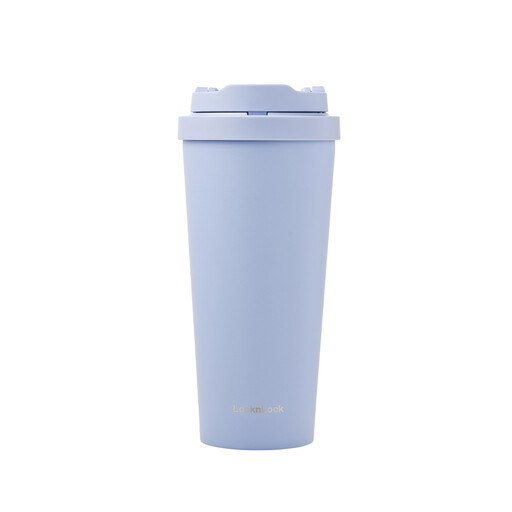
Why it suits this profile: The 550 ml travel mug is designed for the office, car, university and daily commutes. According to the product information, its cylindrical design fits standard cup holders.
According to the product information, the mug features a one-touch lid with a safety lock and a wide opening. It must be washed by hand, making the actual cleaning requirements clear.
Double-wall vacuum insulation, 550 ml capacity, BPA-free according to the product information and heat retention for up to 4 hours according to the manufacturer.
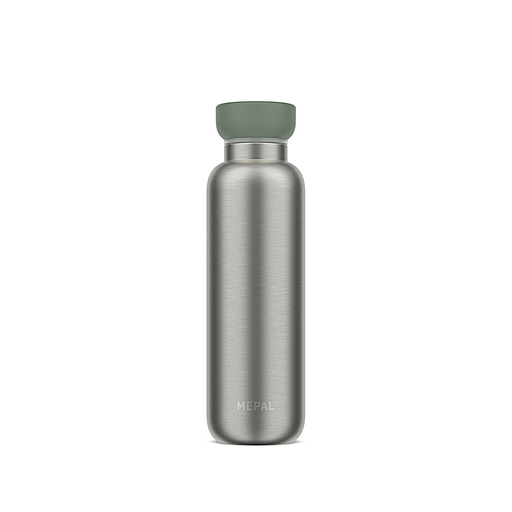
Why it suits this profile: The 500 ml insulated bottle is suitable for commuters, cyclists and professionals looking for a relatively compact reusable product for hot or cold drinks.
The product information specifies the dimensions, weight and care instructions. The bottle is washed by hand, while the plastic components of the lid may be dishwasher-safe.
Double-wall stainless steel, 290 g weight, keeps drinks hot for up to 12 hours and cold for up to 24 hours according to the product information.
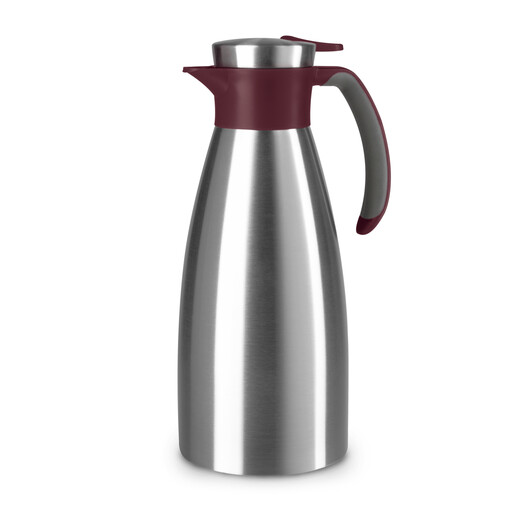
Why it suits this profile: The large thermos jug is suitable for families, meetings, day trips and serving several people.
The product description specifies the recommended hand-washing method, maximum capacity and Quick-Tip closure. This makes it easier to assess whether it suits the intended setting.
Double-wall stainless steel, soft-grip handle, Quick-Tip operation and, according to the manufacturer, heat retention for up to 12 hours and cold retention for up to 24 hours.
A reusable bottle will last longer if the lid, seals and drinking opening are rinsed after every use. Residues from coffee, tea, milk or fruit juice can cause odours and hygiene issues. A soft bottle brush is suitable for hard-to-reach areas. Aggressive scouring agents, chlorine-based cleaners and steel wool can damage surfaces and seals.
The body of a vacuum bottle should not be dropped. A heavy impact can impair its insulating performance, even if only minor dents are visible externally. Wear parts such as silicone rings should be replaced whenever the manufacturer offers compatible spare parts.
Our selection includes a range of products to suit different requirements for materials, capacity, closures and cleaning in everyday life.
For a standard working or university day, 500 to 750 ml is often sufficient. A 1-litre thermos flask makes sense when longer commutes, exercise sessions or several servings without refilling are planned. The larger volume, however, usually means additional weight and takes up more space.
Its service life depends on the material, seals, closure mechanism and care. Stainless-steel bodies can remain in use for many years when handled carefully. Seals and lids are typical wear points. The availability of replacement parts and the clarity of the manufacturer’s care instructions are key factors.
No. A vacuum-insulated water bottle does not require electricity during use. Its insulation slows heat loss but does not replace heating or chilling a drink. For cold beverages, the bottle must first be filled with a chilled drink.