
Lieferung heute & morgen

Qualitätsgarantie
App herunterladen
Kategorien
A throw blanket is a versatile home textile that serves both practical and decorative purposes. Your selection should be based on an analysis of material properties, dimensions, and intended use. This guide breaks down the technical criteria relevant for making an informed decision.
The functional properties of a blanket are primarily determined by its material, grammage, and weave. These factors influence thermal insulation, breathability, texture, and care requirements.
The choice of material is the deciding factor for comfort and functionality.
Cotton: As a natural fiber, cotton is known for its high breathability and moisture-wicking properties. Blankets made from this material are often skin-friendly and suitable for year-round use. A special weave like the waffle weave creates a textured surface that further improves air circulation while offering a pleasant feel. Cotton may experience 3–5% shrinkage after the first wash, which should be considered when choosing a size.
Polyester (Fleece, Flannel, Faux Fur): Synthetic fibers like polyester are known for their excellent thermal insulation at a low weight.
The dimensions and fabric weight (grammage) define a blanket's application.
Size: Standard formats like 150 x 200 cm are well-suited as a sofa throw for one person or as a cover for an armchair. Larger formats such as 180 x 230 cm or 220 x 240 cm are designed for use by multiple people, as a couch blanket for large sectionals, or as a bedspread for double beds.
Grammage: The weight of the fabric per square meter (g/m²) is an indicator of density and warmth.
The primary use determines the requirements. A blanket intended to protect furniture from pets must be durable and washable. A purely decorative throw can feature more delicate materials. Solid-colored blankets in neutral tones can be flexibly integrated into existing decor styles, while patterned versions create targeted visual accents.
The following products were selected based on their technical specifications and functional features.
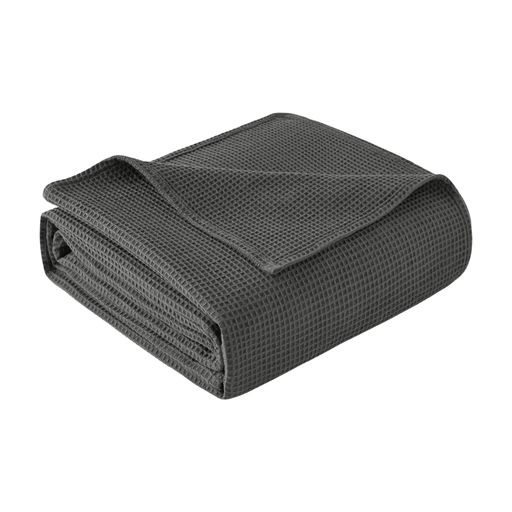
Why We Recommend It This blanket combines the functional benefits of 100% cotton with the textured aesthetic of a waffle weave. With a grammage of 240 g/m², it is a lightweight and breathable option for year-round use.
Pros:
Best For: Individuals who prefer natural fibers and prioritize breathability. Ideal for transitional seasons or as a light cover in warmer months.
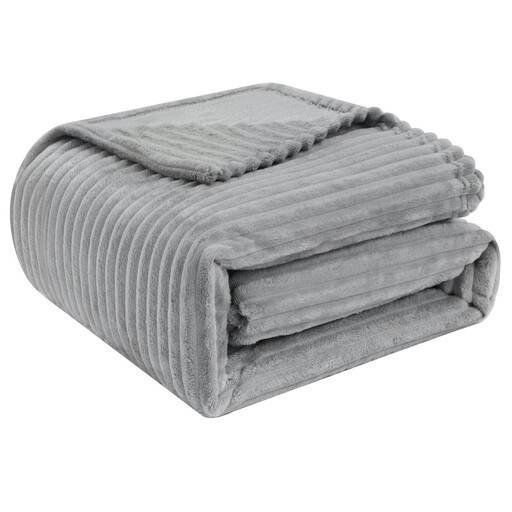
Why We Recommend It This model stands out for its generous dimensions and warm flannel fleece material. The 280 g/m² grammage offers high thermal performance, while the reinforced edges are designed for long-term durability.
Pros:
Best For: Users looking for an extra-large and warm cozy throw for cold evenings. Well-suited for families or as a large-format bedspread for beds and sofas.
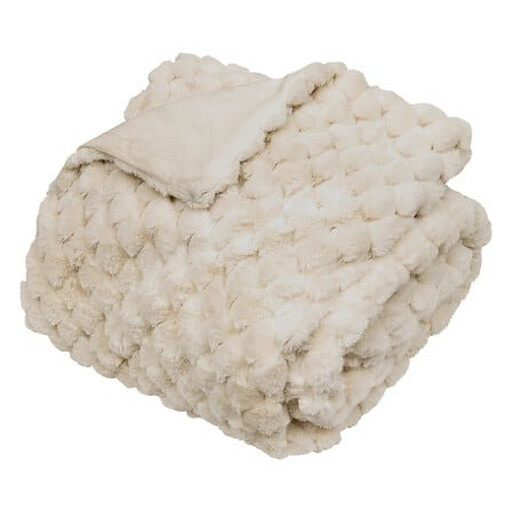
Why We Recommend It This blanket is designed with a focus on decorative impact. The jacquard faux fur with a tie-dye effect creates a luxurious look and a very soft surface. Weighing 2.6 kg, it is a substantial and stylish accent for living rooms or bedrooms.
Pros:
Best For: Users for whom the aesthetic aspect is paramount. Ideal as a stylish home accessory that also provides warmth and comfort.
For users seeking a more structured and often warmer alternative, a Quilted Blanket can be a suitable choice. The quilting holds the filling in place, ensuring even heat distribution and creating a different visual appeal than a woven throw.
1. What is the best material for a throw blanket? The choice of material depends on the desired function. Cotton is breathable and skin-friendly, ideal for year-round use. Polyester fleece is very warm, lightweight, and low-maintenance, making it a great choice for a classic cozy blanket. Faux fur offers a luxurious look and high warmth but often serves primarily as a decorative element.
2. How do you properly care for a cozy blanket? Always check the manufacturer's care label. Generally, most blankets should be washed on a gentle cycle at low temperatures (e.g., 30–40°C). Avoid bleach and high heat in the dryer, as these can damage the fibers. Cotton blankets may shrink slightly, while fleece can lose its softness if exposed to excessive heat.
3. What is the difference between a bedspread and a throw blanket? The terms are often used interchangeably, but there are functional differences. A bedspread is typically sized to cover a bed completely and serves to protect the bedding as well as for decoration. A throw blanket, also called a sofa throw or couch blanket, is often smaller and more versatile—for snuggling on the sofa, as a cover for an armchair, or as an extra layer of warmth.
Written by: Joybuy Product Recommendation Officer