
Lieferung heute & morgen

Qualitätsgarantie

Willkommens-Angebote freischalten: KOSTENLOSE Lieferung | Bis zu 80 % RABATT | Kostenlose 30-Tage-JoyPlus-Testphase
App herunterladen
Anyone looking to buy a football is often faced with a wider selection than they expect. The differences between models are significant and not always immediately apparent. Making the wrong choice not only leads to disappointment but can also negatively impact the development of a player's technique and feel for the ball. This guide will help you understand the key features and make an informed decision.
Before we dive into the details, let's look at the typical problems that can lead to a bad purchase.
To avoid these pitfalls, you should check three key parameters: size, material, and intended use.
The size of the ball is fundamental for technical development and playing comfort. The classification is usually based on age groups, which are aligned with the guidelines of football associations.
The material of the outer skin and the construction of the ball determine its durability and playing characteristics under different conditions.
Ask yourself where and how often the ball will be used.
Based on these criteria, we have put together some products for typical user profiles.
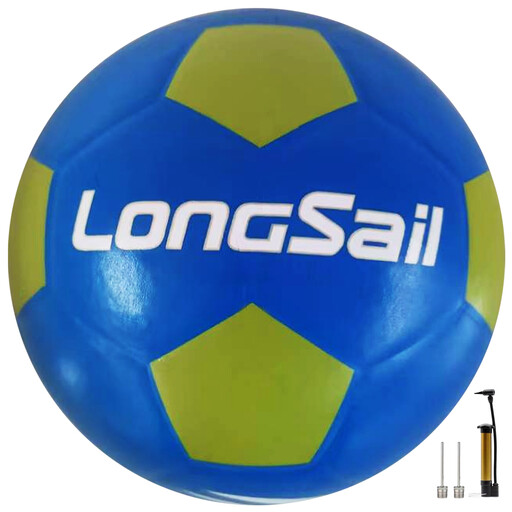
Why This Fits Their Persona: Ideal for parents looking for a first ball for their child (under 8). The correct size 3 football and the soft yet durable rubber material are gentle on little feet and make it easier to practice those first dribbles in the garden or at the playground.
It solves two core problems: it's the right size for young children and, thanks to its seamless foam rubber surface, it's water-resistant and durable—unlike many balls that become unusable when wet.
It comes as a complete set with a pump, needle, and mesh bag, making it ready to use right out of the box. The surface is easy to clean.
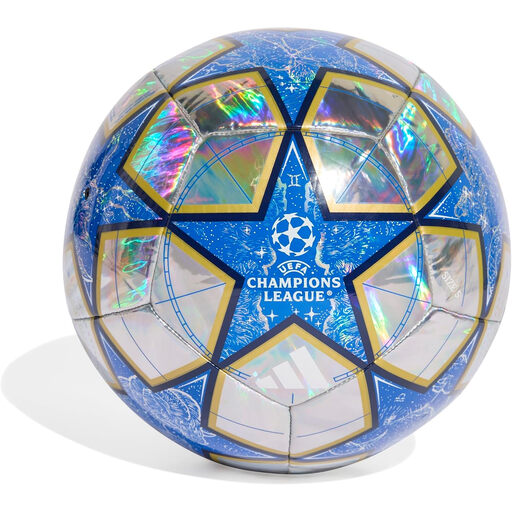
Why This Fits Their Persona: For teens and adults who need a reliable ball for regular training. This adidas football in size 5 combines the appealing design of the Champions League ball with the durability of a training ball.
This is a purpose-built training football. You're investing in durability for frequent use, not in expensive pro-level features that offer no significant advantage in everyday training.
The 100% thermoplastic polyurethane (TPU) surface is designed for abrasion resistance. The butyl bladder ensures good air retention.
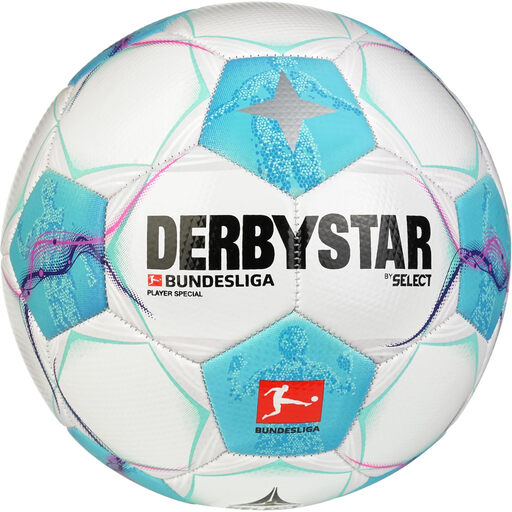
Why This Fits Their Persona: Perfect for collectors and recreational players who want to show their connection to the German Bundesliga. This Derbystar ball, in the official design of the 2024/25 season, is an authentic piece of fan merchandise that's also suitable for play.
It satisfies the desire for an official design without the high cost of a professional match ball. The investment fits the profile of a fan looking for a ball for their display case or the occasional kickabout.
The durable PU material makes the ball suitable for various surfaces like grass and artificial turf. It is an officially licensed product.
We've compiled a complete, up-to-date list of products that fully meet these strict selection criteria and current regulations.
To protect the valve, you should slightly moisten the pump needle before inserting it (e.g., with water or valve oil). Insert the needle perpendicularly and without force. Inflate the ball to the pressure recommended by the manufacturer. This value is usually printed directly on the ball in bar or psi (e.g., 0.6–0.8 bar).
Stitched balls, which have visible seams, are considered traditional and very robust. They are either hand- or machine-stitched. Bonded balls, often advertised as "seamless," have a smoother surface. Their panels are thermally bonded, which greatly reduces water absorption and often leads to more stable flight characteristics.
Clean the ball with a damp cloth after use to remove dirt. Store it in a dry, cool place and avoid drying it on a heater, as heat can damage the material. If the ball is not used for an extended period, it can be a good idea to slightly reduce the air pressure to relieve stress on the seams and bladder.