Homes with lots of tiled steps
If you need to clean steps, edges and grout, pay particular attention to portability and whether the attachment is small enough. Also consider how easy the machine is to handle on the steps.


For steps, grout and individual stubborn marks, a lightweight cordless cleaning brush is a natural place to start. If you mainly have clear stretches of tiled floor, an electric mop or wet and dry cleaner could be a better fit. The key things to consider are choosing an attachment that suits the surface, carrying the machine between floors, and whether you only want to mop with water or also pick up dry dirt.
If you need to clean steps, edges and grout, pay particular attention to portability and whether the attachment is small enough. Also consider how easy the machine is to handle on the steps.
If you mainly have open-plan floor space, the question is whether an electric mop is enough for regular wet cleaning or whether you need a machine that can also pick up dry dirt.
Choose an attachment and cleaning product that suit the specific porcelain stoneware surface. Test a brush attachment on an inconspicuous area first.
A good fit if: You mainly need to clean step edges, grout or individual marks. Bosch lists tiles and grout among the UniversalBrush’s intended uses.
Bear in mind: The small brush head is not designed for cleaning large areas continuously; you’ll need to remove the loosened dirt and water afterwards.
A good fit if: You regularly wet-mop large tiled areas and want a machine you can carry between floors. Philips lists separate clean- and dirty-water tanks and an unladen weight of 1,9 kg for the OneUp XV5113/01.
Bear in mind: A mop is no substitute for targeted grout scrubbing or for a wet and dry cleaner that picks up dry dirt.
A good fit if: Dry and wet everyday dirt builds up regularly across larger living areas. Kärcher describes the FC 7 Cordless as having a two-tank system, while BISSELL lists tiles as a suitable surface for its CrossWave machines.
Bear in mind: A wide floor head and the machine’s weight can make it awkward to use on narrow steps. Kärcher gives the FC 7’s weight as 4,3 kg without accessories; this doesn’t prove it’s suitable for your steps.
| What you need | What to check when buying | Who is this important to? |
|---|---|---|
| Steps and edges | Compare the brush head, handle, weight and actual step width; keep the walkway clear and dry while cleaning. | If I need to clean steps and edges carefully, safe handling matters more than a wide floor head. Around 36% of consumers prioritise how easy the machine is to handle on steps. |
| Protecting tiles and grout | Identify the finish and type of grout, read the care instructions and test the attachment on an inconspicuous area. | If you have a delicate finish, you’ll want to choose a suitable contact surface and cleaning product rather than scrubbing too vigorously. Around 29% of consumers prioritise protecting tiles and grout. |
| Larger living areas | Decide whether you only want to mop with water or also pick up dry dirt; check the weight, cleaning width and tank maintenance for the specific model. | If I mainly clean open-plan areas, what matters to me is whether the machine’s features suit the types of dirt I need to tackle. Around 21% of consumers prioritise cleaning larger areas. |
| Care and accessories | Check what’s included, the cleaning instructions and which replacement pads or rollers are compatible with the exact model number. | If you use the machine regularly, you’ll want to know what care it needs after mopping and which accessories fit your model. Around 14% of consumers prioritise maintenance and replacement parts. |
Kärcher’s specifications for the FC 7 relate to hard floor surfaces and list its weight as 4,3 kg without accessories. That doesn’t mean it can be handled safely on your steps.
Check the step width and how the floor head can be manoeuvred, regardless of how well the machine suits your open floor areas.
You may also need a small cleaning tool for individual steps.
An unsuitable attachment can damage the surface. Marazzi advises against abrasive metal pads on porcelain stoneware.
Check the tile finish and the manufacturer’s care instructions. Bosch recommends testing the attachment on an inconspicuous area first.
Pads, brush rollers and cleaning the dirty-water tank are all part of using the machine; accessories and care instructions vary by model.
Before deciding, check what’s included, read the instructions and confirm accessory compatibility for the exact model number.
The UniversalBrush is a handy cordless brush for spot cleaning tiles and grout.
The ZY-CB02 cordless brush has a telescopic handle for cleaning flat surfaces and steps.
The OneUp XV5113/01 is an electric mop for regular wet cleaning of larger hard floor areas.
The FC 7 Cordless is a roller-based hard floor cleaner for dry and wet everyday dirt across larger areas.
CrossWave machines are another wet and dry cleaning option for tiles and other suitable hard floors.
The selection includes electric brushes for spot cleaning, as well as mops and wet and dry cleaners for hard floor surfaces.
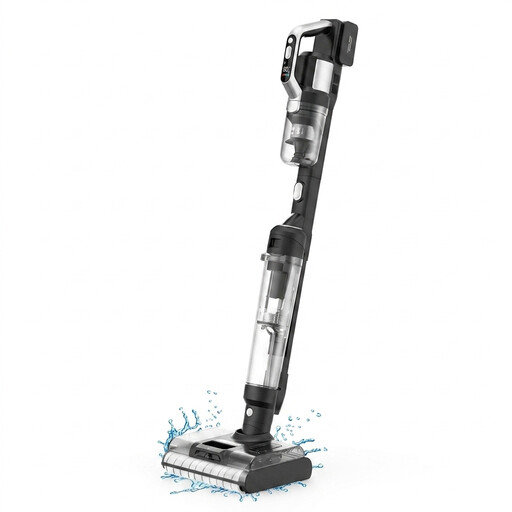 No image available
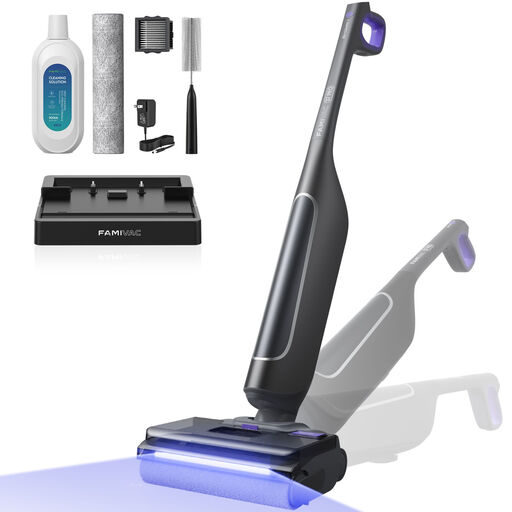
Suited to cleaning needs where you want to pick up dry dirt and liquids and mop the floor at the same time.
Described in the product name as a 5-in-1 machine.
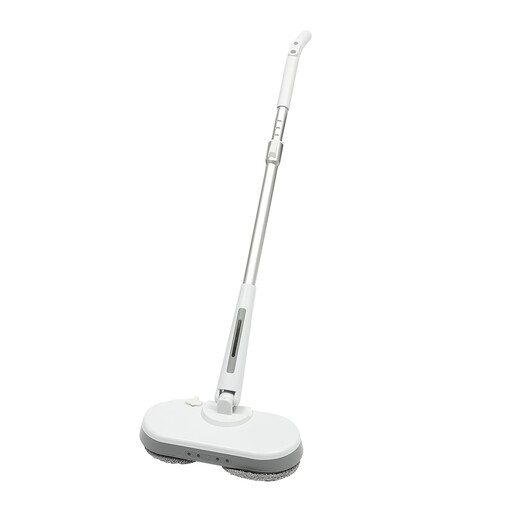 No image available
For wet-mopping tiles; the product name also describes the machine as suitable for carrying between floors.
Handle length 99–120 cm; 350-ml water tank; three cleaning modes; 2.000 mAh; 9.000 rpm.
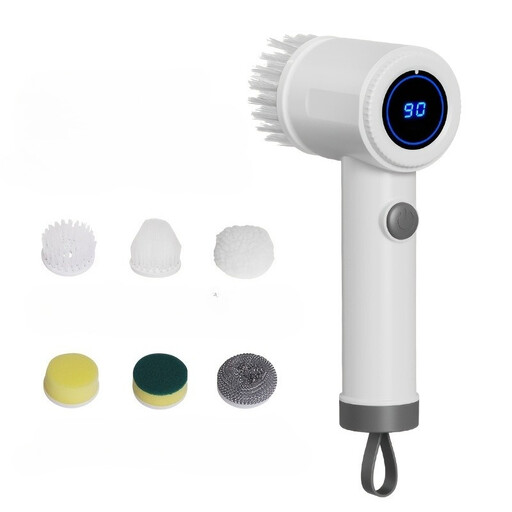 No image available
For spot cleaning; the product description lists tiles as one of its intended uses.
800-mAh battery; digital display; one-button operation.
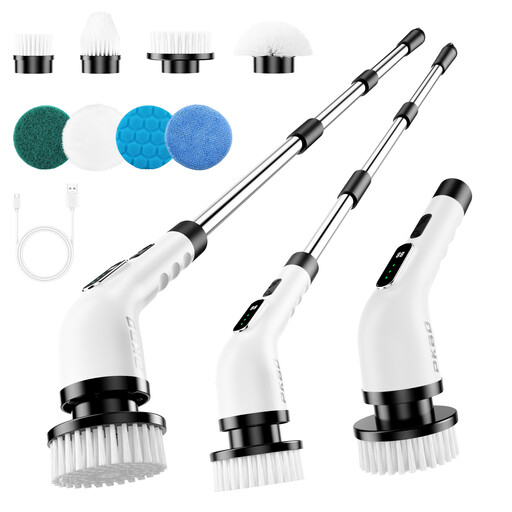 No image available
For tiles and grout; the product name mentions a telescopic handle for different cleaning tasks.
2.500-mAh battery; three speeds; eight attachments; USB-C charging.
 No image available
For hard floor care when you want to pick up dry dirt and liquids and mop the floor at the same time.
The product name lists a 50-minute runtime, 25 kPa and a 180° lay-flat design.
Follow the care instructions for your tiles and take their finish into account. Bosch recommends testing the cleaning attachment on an inconspicuous area first; Marazzi advises against abrasive metal pads on porcelain stoneware.
Keep the walkway clear, wipe up any water and use the handrail when walking on the stairs. The German Social Accident Insurance (DGUV) gives this advice to help prevent falls; it doesn’t mean that a particular machine is suitable for stairs.
Check the instructions for the tank, pad and roller on your specific model. Kärcher lists washable rollers for the FC 7 Cordless, while Philips lists compatible replacement pads for OneUp. Don’t assume an accessory is compatible just because it’s from the same brand.
Your statutory rights against the seller for faulty goods are separate from any voluntary guarantee. For ordinary goods, Section 438 of the German Civil Code (BGB) generally sets a two-year period from delivery; if a product is faulty, repair or replacement under Section 439 BGB is the first step. The rules that apply depend on the specific purchase and fault.
No. The German Environment Agency advises that waste electrical equipment must be collected separately. Removable batteries should be disposed of separately where possible.