
Lieferung heute & morgen

Qualitätsgarantie

Willkommens-Angebote freischalten: KOSTENLOSE Lieferung | Bis zu 80 % RABATT | Kostenlose 30-Tage-JoyPlus-Testphase
App herunterladen
Anyone looking to buy tinned meat is usually after a straightforward solution for the cupboard, a quick meal or food for camping. However, tinned meat and tinned sausages can differ considerably in meat content, salt levels, packaging, portion size and preparation. A low pack price therefore says little about the actual value for money.
As a Joybuy Product Recommendation Officer, I filter through the key information and show what households, single shoppers, working professionals and those stocking up should look out for when buying online.
A 160 g portion of tinned sausage may initially seem cheaper than a 400 g tin. However, the figure that matters for comparison is the price per 100 g. With multipacks, you should also check whether the stated weight applies to each jar or to the entire set.
With tinned goulash, corned beef or pork in its own gravy, water, stock, starch, flour or vegetables can account for a considerable proportion of the product. Ingredients are listed in descending order by quantity. If you are looking for a higher meat content, check the percentage shown as high up the list as possible.
Depending on the product, unopened preserved meat products can be stored for several weeks or months. Once opened, however, different rules apply: the contents often need to be transferred to a sealed container, refrigerated and consumed within two to three days. The specific information on the label and product page is what matters.
With tinned sausages, it is worth checking the main ingredient and the type of meat used. Examples from the selection include:
These values cannot be compared directly, as goulash, corned beef and spreadable sausage are different types of product. They do, however, help you form realistic expectations about consistency and possible uses.
Allergens must also be taken into account with tinned meat. Common warnings concern wheat or gluten, celery, mustard, milk and soya. According to the product information, Simon Beef Goulash contains wheat and celery. Simon Pork Goulash also carries a warning that it may contain traces of mustard. Jeden Tag Mini Ham Sausages may contain traces of mustard, celery and milk.
Some products list additives such as sodium nitrite, ascorbic acid, stabilisers or flavour enhancers. For example, Chung Jung One Luncheon Meat contains E621. For a reliable purchasing decision, always check the current ingredients and allergen information on the packaging.
For a quick meal on your own, 160 to 200 g of sausage or luncheon meat is often enough. Families and shoppers stocking up are more likely to choose 300, 340, 400 or 500 g packs. A multipack can be practical if each individual portion will be used in full.
Preparation also varies:
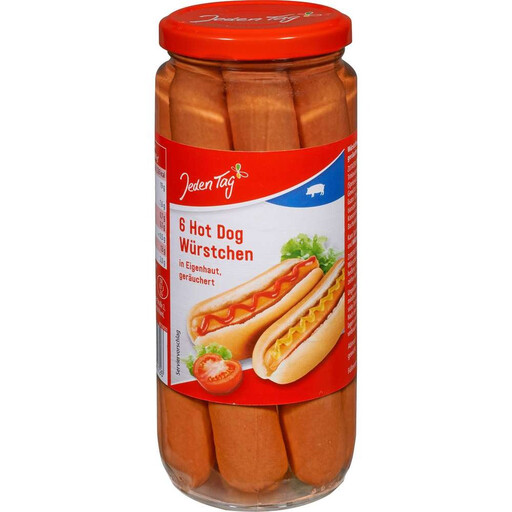
Why this product suits this profile: Six 50 g portions are suitable for single shoppers, couples or keeping a small supply. The sausages are heated in hot water in around five minutes.
The individual portions reduce the amount left over after opening. The product information also states that it contains 80% pork and can be stored at room temperature before opening.
6 x 50 g, pre-cooked, supplied in a jar and with clear heating instructions. Celery is listed as an allergen.
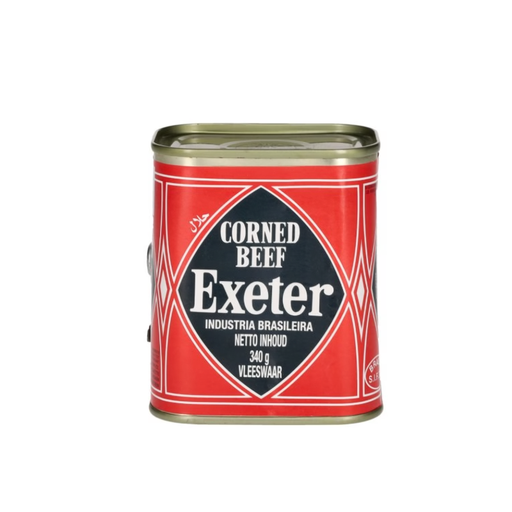
Why this product suits this profile: The 340 g tin can be used for sandwiches, salads or hot dishes and, according to the product information, offers a high proportion of cooked beef.
The stated meat content is clearly specified. In addition, the product information does not list any allergens.
340 g contents, versatile uses and storage at room temperature in a cool, dry place.
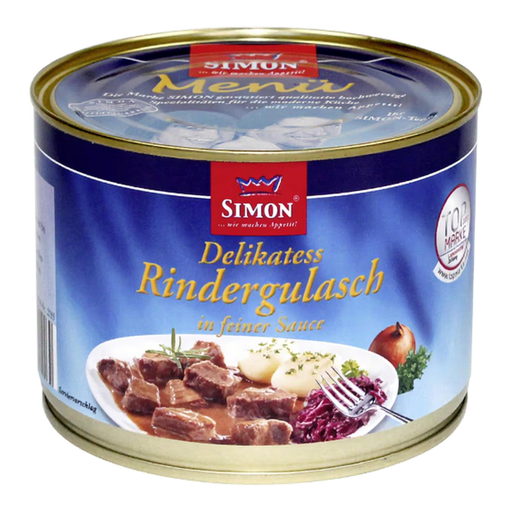
Why this product suits this profile: The 500 g tin is suitable for several servings or as the basis for a quick meal with potatoes, rice or bread.
The portion size is clearly stated. The product can be heated in a saucepan or in the microwave after being transferred to a suitable container.
500 g contents, 51% beef according to the product information and a preparation time of around four minutes at 600 watts after transferring the contents.
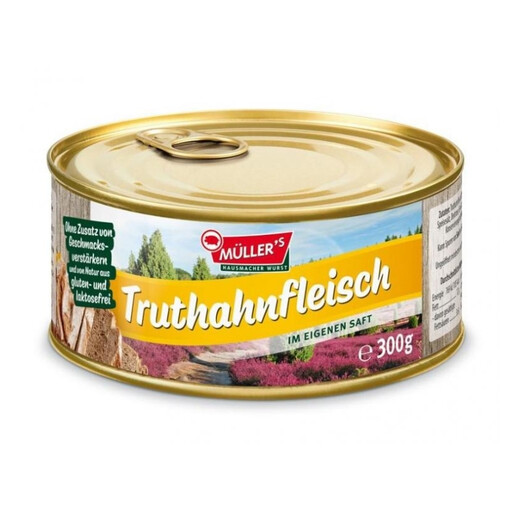
Why this product suits this profile: The 300 g pack can be used for sandwiches, salads, bakes or other quick meals.
The stated meat content is 86% turkey. The product information also lists none of the 14 major allergens.
300 g contents, suitable for cold and hot dishes, plus 18 g of protein per 100 g according to the product information.
We have put together a complete, regularly updated list of products that fully meet these strict selection criteria and the safety regulations applicable in the EU.
Unopened tins and jars should be stored in a cool, dry place away from direct sunlight. Frost and intense heat can affect the packaging and product quality. Before opening, check the packaging for dents, rust, bulging lids or damaged safety seals.
Once opened:
With jars featuring a safety seal, the lid should make an audible pop when first opened. If this sound is absent or the seal is damaged, the product should not be used.
The best-before period depends on the product and batch. In the information available here, unopened products have stated periods ranging from at least 48 to at least 96 days, for example. The printed best-before date is always the deciding factor. Once opened, the shelf life is significantly reduced.
Both types of packaging have practical advantages and disadvantages. A jar allows you to inspect the contents directly and is often suitable for sausage products such as liver sausage in a jar or mett sausage in a jar. Tins protect against light and can often be stacked to save space. More important than the material are the ingredients, seal, storage instructions and the portion size you need.
The most meaningful figure is the unit price per 100 g. You should also consider the meat content, drained weight, pack size and any leftovers that may remain after opening. A larger tin is not automatically cheaper if part of it has to be thrown away.