
Lieferung heute & morgen

Qualitätsgarantie

Willkommens-Angebote freischalten: KOSTENLOSE Lieferung | Bis zu 80 % RABATT | Kostenlose 30-Tage-JoyPlus-Testphase
App herunterladen
A tinted face cream can combine moisturising care, subtle complexion enhancement and, in some cases, sun protection in a single step. However, tinted moisturisers, skin tints and lightweight foundations can differ considerably in coverage, shade, finish and application.
If you shop based only on terms such as “glow”, “serum” or “SPF”, you may overlook important details. The following selection criteria will help you assess marketing claims and find a product suited to your skin type and everyday routine in the UK.
Many products are available in only a few shades or as a universal shade. A tinted sunscreen in a single colour may look different than expected on very fair, dark, olive or noticeably pink-toned skin. The undertone – cool, neutral or warm – also affects the result.
The most practical approach is to test the shade along the jawline and neck. The back of the hand is less suitable, as it often has a different skin tone from the face.
A product with SPF 20, SPF 25 or SPF 50+ only provides the protection stated on the label when enough product is applied evenly. With tinted textures, people often use less because applying too much can alter the make-up result.
A make-up product with SPF or tinted sunscreen should therefore not automatically be regarded as your only sun protection during longer periods outdoors. For everyday situations, you should also follow the manufacturer’s application instructions, including reapplying after sweating, swimming or drying yourself.
A skin tint, tinted moisturiser or lightweight foundation usually evens out the skin tone subtly. It will not necessarily fully cover redness, more pronounced discolouration or visible blemishes. If you prefer a natural level of coverage, you can add concealer precisely where needed rather than applying a heavier foundation.
A serum foundation is usually fluid and can be spread in a thin layer. A tinted moisturiser, on the other hand, often contains a higher proportion of skincare ingredients and has a less heavily pigmented finish.
For dry skin, ingredients such as glycerin, sodium hyaluronate or squalane are useful points of reference in the INCI list. However, their presence does not automatically prove that a product will suit your individual skin. On oily or combination skin, lighter, oil-free or silicone-based textures may feel more comfortable.
When it comes to finish, products are often described using the following characteristics:
For sensitive skin, pay particular attention to fragrances, alcohol and any known personal triggers. The description “for sensitive skin” is not a substitute for checking the full ingredients list or carrying out a patch test.
An SPF 50 facial fluid or tinted sunscreen with SPF 50+ is primarily designed for daily UV protection and often offers only subtle colour correction. A foundation with SPF 15 or SPF 20, by contrast, focuses more strongly on the complexion. The key factors are SPF level, UVA/UVB information, the amount required and regular reapplication.
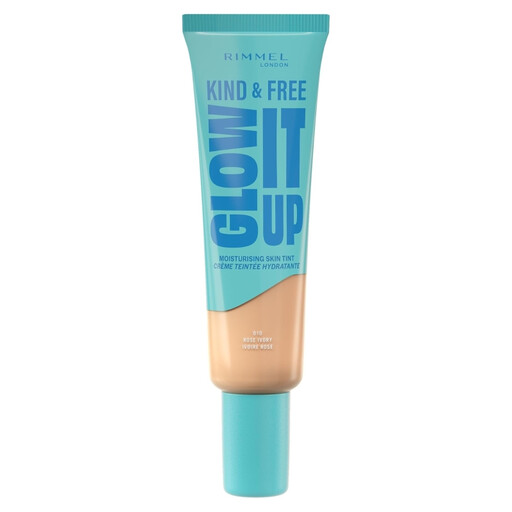
Why this product suits this profile: The lightweight, buildable texture is ideal for people trying a tinted moisturiser for the first time and looking for a subtle complexion finish.
The product description states that it offers light coverage which can be built up gradually. This lets you control the result instead of choosing a foundation that provides too much coverage.
Light, buildable coverage; according to the product information, with vitamin E, provitamin B5 and aloe vera.
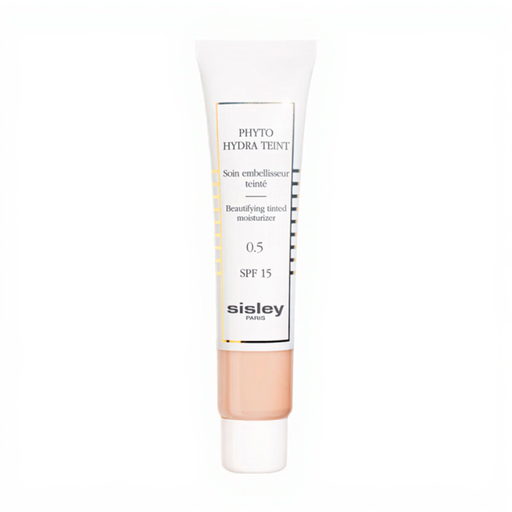
Why this product suits this profile: The combination of skincare, a subtle tint and a lightweight texture appeals to people who want to streamline their daily routine.
The description lists three adaptable shades. This offers more choice than a single universal shade, although it does not replace matching the product to your own skin tone.
SPF 15; according to the product description, with white lily and buckwheat extracts, plus a lightweight, radiant finish.
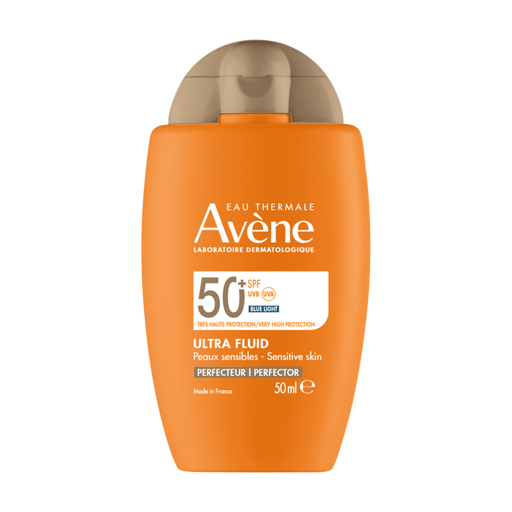
Why this product suits this profile: For people looking for a daily SPF 50 facial fluid with a very high stated level of UV protection and a subtle tint.
The product information explicitly points out that the universal shade may look different depending on your skin tone and the amount applied. Testing it along the jawline and neck is therefore advisable.
SPF 50+; according to the product description, a water-resistant, fragrance-free and octocrylene-free formula.
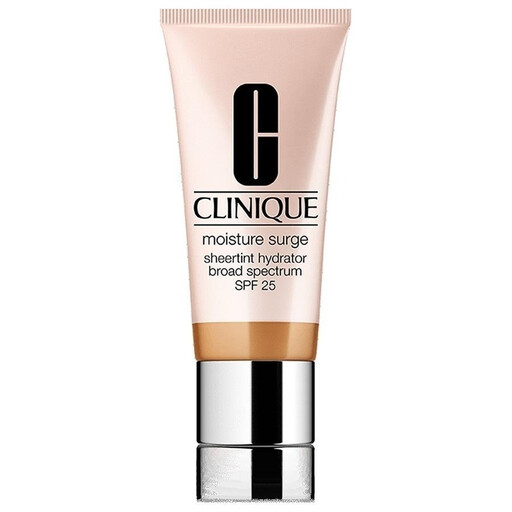
Why this product suits this profile: This sheer tinted moisturiser is designed to create a natural, subtly dewy complexion and make your morning routine effortless.
The coverage is described as sheer. If you are expecting strong concealment, you can therefore realistically assess before buying that the product is primarily intended for light colour correction.
SPF 25; oil-free formula, plus stated ingredients including hyaluronic acid and aloe vera water, as well as sweat and moisture resistance.
We have put together a complete, regularly updated list of products that fully meet these strict selection criteria and the safety regulations applicable in the EU.
If you have sensitive skin, patch testing on a small area is advisable. If persistent redness, stinging or itching occurs, discontinue use of the product.
The terms are sometimes used interchangeably. A skin tint is often more fluid and focuses more strongly on providing a light, sheer complexion tint. A tinted moisturiser usually places greater emphasis on the skincare element. However, the product description itself is what matters, not the name alone.
The printed best-before date, the open-jar symbol and the information on the packaging are the key points of reference. When unopened, the product should be stored in a cool, dry place away from direct sunlight. Any changes in smell, colour or consistency are a reason to stop using it.
For very light colour correction, it may be enough to create a natural everyday complexion. However, it often offers less coverage than a foundation. For visible imperfections, additional targeted coverage may be useful. The stated SPF also depends on the amount applied and correct application.