
Lieferung heute & morgen

Qualitätsgarantie

Willkommens-Angebote freischalten: KOSTENLOSE Lieferung | Bis zu 80 % RABATT | Kostenlose 30-Tage-JoyPlus-Testphase
App herunterladen
A tinted face sunscreen SPF 50 needs to do several things at once: protect against UV radiation, feel comfortable to wear and help even out your skin tone. But getting this combination right can be tricky. A product may look promising on your hand, yet appear too orange, too pale, too shiny or too dry on your skin.
As Joybuy Product Recommendation Officer, I’ll take you through the key things to look for and explain which formulas may suit different skin types and everyday situations.
A tinted sunscreen usually offers light coverage to help disguise redness or unevenness. It generally won’t provide the same coverage as foundation. If you’re expecting full coverage, you may apply too much product or use too little sunscreen instead.
Many products come in just one beige, pink, yellow, green or lavender shade. The result depends on your skin tone, undertone and how much you apply. A universal shade may look noticeably different on very fair, dark, olive or distinctly cool-toned skin. If possible, test a small amount along your jawline and neck.
Light-reflecting pigments can give your complexion a radiant look. However, if your skin is oily or prone to shine, the finish may look shinier than you’d like. On the other hand, mattifying formulas can emphasise dry patches. Choose a texture to suit your skin type, rather than relying on the product’s marketing claims alone.
SPF 50 or SPF 50+ mainly indicates protection against UVB rays, which are one of the causes of sunburn. For everyday protection on your face, also look for a stated level of UVA protection. In the EU, the UVA symbol on compliant sunscreens is a useful guide. Ratings such as PA+++ or PA++++ come from a different labelling system and shouldn’t be treated as equivalent to the EU UVA symbol without further context.
Important: you’ll only get the stated level of protection if you apply enough product. The two-finger rule is often used as a practical guide for the face and neck. If you’re outdoors for an extended period, reapply regularly, especially after sweating, swimming or drying yourself with a towel.
A sunscreen as a make-up base should dry evenly and layer well with foundation or concealer. Leave a little time between applying your skincare and make-up. With tone-up products, bear in mind that pink, yellow, green or violet pigments can visibly change your skin tone. This is a cosmetic effect, not permanent skin lightening.
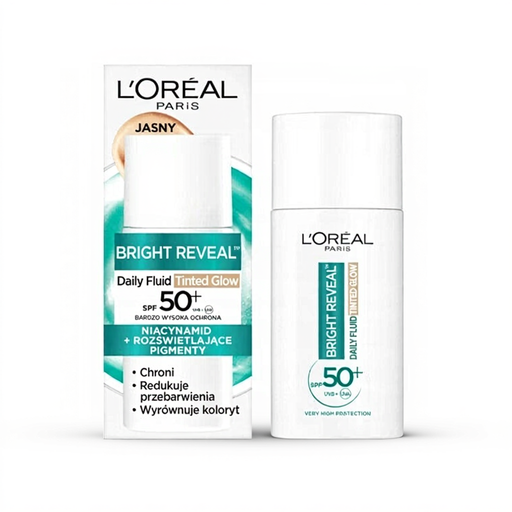
Why this product suits this profile: This fluid combines SPF50+ with a tinted finish and, according to the product description, can be worn alone or under make-up. It’s a good option if you’re looking for straightforward everyday SPF 50+ protection for your face.
The fluid format and stated light coverage help set expectations: this isn’t a foundation. Be sure to check the shade before buying.
SPF50+, iron oxides for tinting according to the INCI list, and suitable for evening out your complexion on its own or as a make-up base.
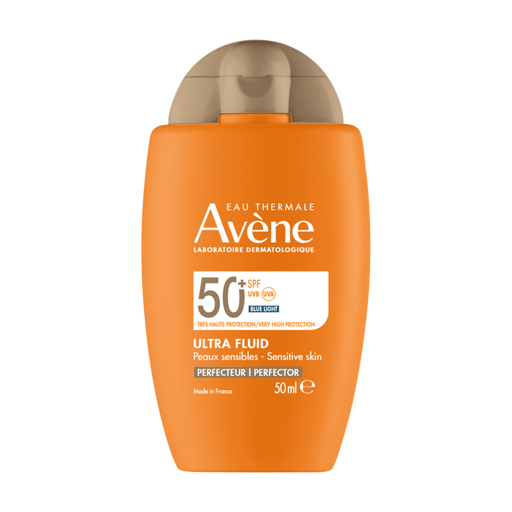
Why this product suits this profile: According to the product description, this ultra-light texture was developed for sensitive skin and gives a natural-looking radiance with a subtle colour-correcting effect.
The description of a subtle colour-correcting effect sets it apart from a full-coverage foundation. Test the shade along your jawline and neck.
SPF50+, UVA and UVB protection, water-resistant formula, fragrance-free and designed to work as a make-up base.
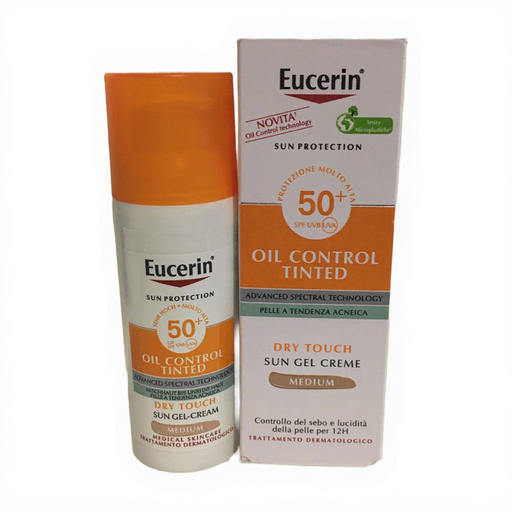
Why this product suits this profile: According to the product description, this gel-cream is designed for combination and oily skin, leaving a natural matte finish. That can be especially useful on long working days or warm days outdoors.
The stated matte finish helps tackle unwanted shine. If you have dry patches, apply suitable skincare beforehand.
SPF50+, oil-free and fragrance-free formula according to the product information, labelled non-comedogenic, and comes in a 50 ml size.
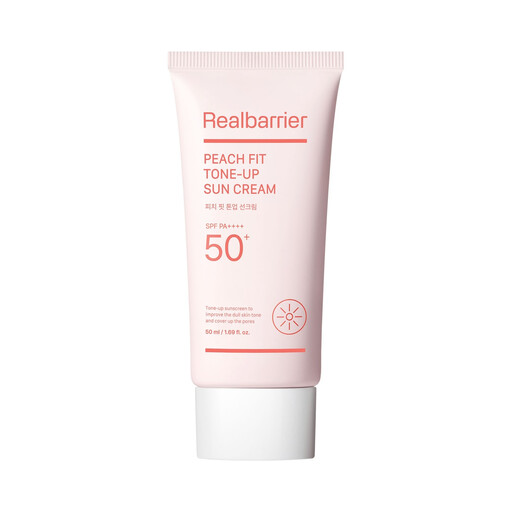
Why this product suits this profile: Its peach tint is designed to give your complexion a more even, radiant look and can work as a light base under make-up.
The product information specifically mentions light coverage and recommends testing along the jawline. This can help you avoid an unsuitable colour effect before using it every day.
SPF50+ and PA++++ according to the product information, peach tint, and ceramides and panthenol listed in the INCI ingredients.
Only partly. It can help even out your skin tone and give your complexion a radiant or mattifying finish. However, it usually offers less coverage than foundation. If you have visible blemishes or more pronounced discolouration, you may need to use concealer as well.
Check the best-before date and the PAO symbol on the packaging, such as 12M, which means 12 months after opening. Heat, direct sunlight and frequent opening can affect the product’s quality. If its smell, colour or texture changes, stop using it.
It depends on your individual tolerance and the formula. Fragrance-free products with a straightforward INCI list can make choosing easier. Even products labelled “for sensitive skin” should first be tested on a small area. If you experience any problems, seek advice from a dermatologist.