
Lieferung heute & morgen

Qualitätsgarantie

Willkommens-Angebote freischalten: KOSTENLOSE Lieferung | Bis zu 80 % RABATT | Kostenlose 30-Tage-JoyPlus-Testphase
App herunterladen
A tinted lip balm combines two functions: it gives your lips a visible hint of colour and is usually easier to apply than a classic lipstick. Depending on the product, the texture may be creamy, glossy, nourishing or lightly powdery. When choosing one, it is therefore important to look beyond the colour shown in the product image and consider the balance of ingredients, finish, staying power and application.
A tinted lip balm can be sheer, buildable or noticeably pigmented. The term ‘tint’ does not automatically mean an even or intense colour payoff. Your natural lip colour also affects the result. A rose shade may look different on pale lips than on lips that are already more deeply pigmented.
If you are looking for a natural lipstick for the office, university or everyday wear, look for terms such as ‘sheer’, ‘transparent’ or ‘buildable’. For a more visible result, choose products that are specifically designed to be applied in several layers.
A glossy lip balm can make the surface of your lips look smoother. However, that does not automatically mean that the formula is suitable for dry lips. Check the complete INCI list and look for nourishing ingredients such as shea butter, plant oils or waxes. Fragrance can affect the application experience and is an important consideration for people with sensitive skin.
A lip balm with SPF should not be treated in the same way as a moisturising product without UV filters. With a lip balm with SPF, check the sun protection factor and UVA labelling directly on the packaging. The Mentholatum Flash Tint Lip Balm, for example, is listed as offering SPF26 and PA+++. Other products in this selection, including the LANEIGE Lip Glowy Balm Sweet Candy, contain no SPF according to the product information and therefore do not replace sun protection for your lips.
Shea butter, murumuru butter, jojoba oil, squalane or plant oils may be included in lip care products for dry lips. However, their presence is not proof of any medical or therapeutic effect. If you have known sensitivities, pay particular attention to fragrance, essential oils, lanolin or certain colourants.
Cosmetic products should not be applied to damaged, inflamed or irritated lips. Stop using the product if you experience redness, burning, itching or swelling. The instructions on the relevant packaging should always be followed.
A tinted lip balm will often need to be reapplied after eating or drinking. Particularly soft formulas may change consistency in warm conditions. For a more even result, apply a thin layer first and build up the colour gradually. It is also worth checking the fill weight before buying: the products listed range from 1.5 g to 10 g.
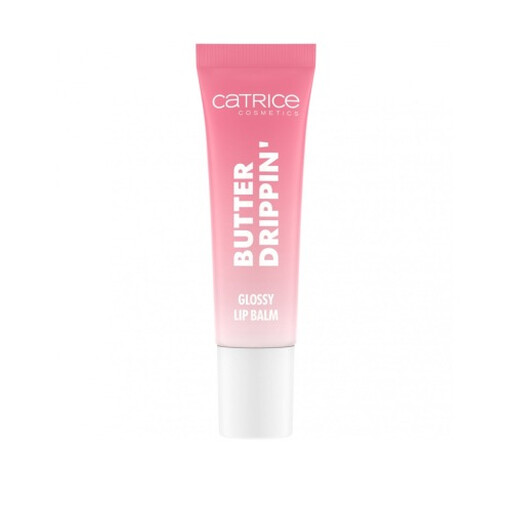
Why this product suits this profile: The product description mentions a subtle pink tint, mango and shea butter, plus a glossy effect. This makes the balm a good choice for anyone looking for an easy introduction to tinted lip care.
The colour payoff is described as subtle, reducing the risk of buying a shade that is unexpectedly highly pigmented for everyday wear.
Pink tint, glossy finish, plus mango and shea butter according to the product information.
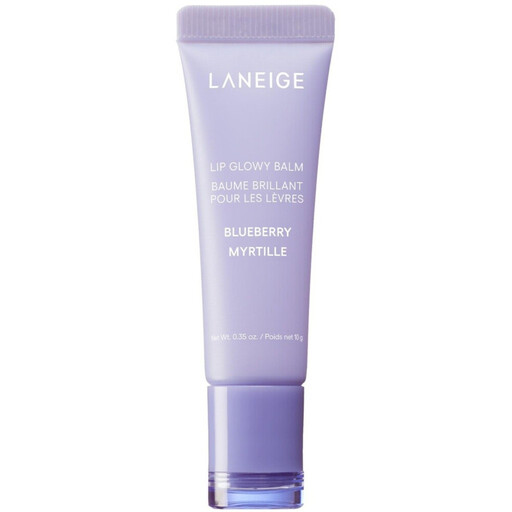
Why this product suits this profile: The formula is described as containing shea butter and murumuru butter, with a light, glossy texture. Its delicate violet shimmer is aimed at anyone who wants to combine nourishing care with a subtle Korean beauty finish.
The tint is described as sheer or delicate. The ingredients list is also available, making it easier to check for fragrance and known triggers.
10 g contents, shea butter and murumuru butter according to the product description, plus a light, glossy application.
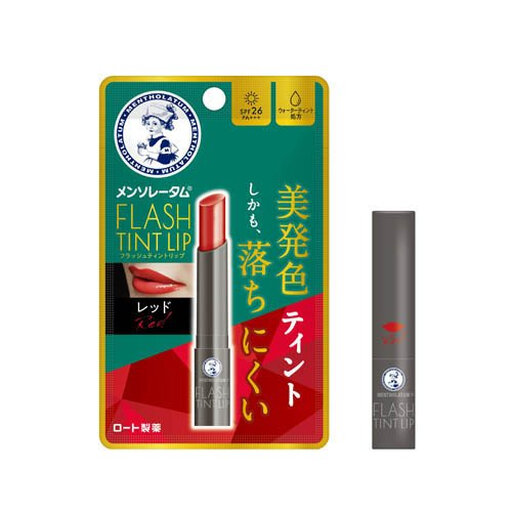
Why this product suits this profile: The balm combines a red water tint with the stated UV protection of SPF26 and PA+++. This makes it relevant for anyone looking for colour and specified UV protection in one stick for everyday use.
The SPF and PA ratings are clearly stated. The product also mentions six oils and a layered application, rather than making a blanket claim about its caring properties.
SPF26, PA+++, red shade and a fragrance-free formula according to the product information.
We have put together a complete, regularly updated list of products that fully meet these strict selection criteria and the safety regulations applicable in the EU.
Start by applying a thin layer and see how the colour and shine develop on your lips. With buildable products, two or three layers can intensify the shade. Soft sticks should only be twisted up by around 1 to 3 mm. Store lip care products away from direct sunlight and excessive heat, and replace the cap after every use.
Check the best-before date, batch number and, where applicable, the PAO symbol shown on the packaging. The product’s shelf life after opening depends on the individual formula and storage conditions, so no general usage period can be specified.
A tinted lip balm usually offers lighter, buildable colour and a nourishing texture. Classic lipstick is often more highly pigmented and can provide more precise definition. However, the exact coverage depends on the individual formula.
Many formulas contain oils, waxes or butters such as shea butter. These ingredients can help the surface of the lips feel smoother. This should not be taken as evidence of a medical effect. If symptoms persist or your lips are inflamed, it is advisable to seek dermatological advice.
Staying power depends on the colourants, texture, thickness of the layers, and eating and drinking. A water tint may remain visible for longer than a very sheer glossy lip balm, but it will still need refreshing after eating or drinking. Check the application instructions for the specific product before buying.