
Lieferung heute & morgen

Qualitätsgarantie

Willkommens-Angebote freischalten: KOSTENLOSE Lieferung | Bis zu 80 % RABATT | Kostenlose 30-Tage-JoyPlus-Testphase
App herunterladen
A tinted moisturiser combines two steps of your daily routine: light colour correction and hydration. Depending on the formulation, it can be used as a tinted day cream, skin tint or lightweight foundation. The desired effect ranges from a sheer, radiant finish to a mattifying tinted cream for oily or combination skin.
To avoid ending up with an unsuitable shade, shiny skin or inadequate sun protection, it is worth taking a close look at the product details.
Products offering natural coverage may contain fragrance, alcohol or fragrance allergens that must be declared. This is not necessarily a quality issue, but it can be relevant for sensitive skin. In the INCI list, look out for Parfum, Limonene, Linalool and Citral, among others.
Plant oils and extracts are not equally suitable for everyone either. If you have sensitive skin, a patch test on a small area of skin is recommended. If irritation occurs, stop using the product.
A tinted face cream with SPF can provide a practical additional benefit. However, the level of protection depends on the amount applied, how evenly it is applied and whether it is reapplied. If only a very thin layer is used to achieve the desired tint, the actual protection may be lower than stated on the packaging.
For longer periods outdoors, follow the manufacturer’s application instructions. Sweating, swimming and drying yourself may make reapplication necessary.
A tinted moisturiser or skin tint generally offers light to sheer coverage. Redness and an uneven skin tone can be visually balanced, but more pronounced blemishes are usually not fully concealed. If you expect higher coverage, check whether the product is buildable or can be combined with concealer or foundation.
For an easy everyday look, terms such as “sheer”, “light coverage” or “buildable coverage” are relevant. A radiant finish often appears dewy or glowy, while silica, kaolin and other absorbent ingredients may indicate a more mattifying result.
The right choice depends on your skin type and personal comfort:
Compare the stated SPF, such as SPF 20, SPF 25, SPF 30 or SPF 50+. A higher value does not mean that the application instructions can be ignored. Information such as PA+++ refers to UVA protection according to the relevant labelling system.
Some products combine organic and mineral UV filters. The precise formulation can only be assessed reliably using the current packaging or INCI list.
The shade should not be selected solely according to whether it is described as “light”, “medium” or “deep”. The undertone is also important:
With skin tints, the colour may appear more flexible because of the low coverage. Even so, the shade should be checked along the jawline and on the neck. Product names such as “1N2 Ivory Nude”, “2C3 Fresco” or “3N1 Ivory Beige” often contain information about depth and undertone.
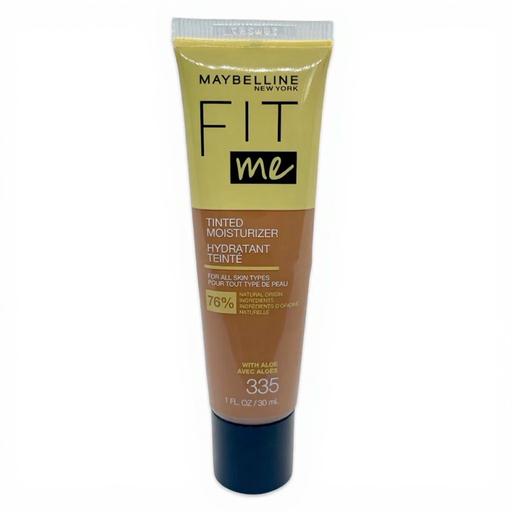
Why this product suits this profile: The 30 ml formula can be applied with your fingers, a sponge or a brush and is designed for an easy, natural application.
The product description states that it offers natural coverage and an even application, rather than promising full foundation coverage.
Glycerin and Aloe Barbadensis leaf powder are listed among the ingredients; shade 120 Ivory is intended for fair skin tones.
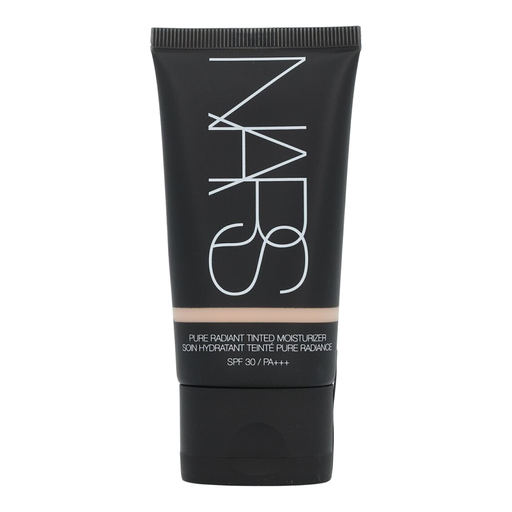
Why this product suits this profile: The combination of colour correction, hydration, an oil-free formula and stated SPF 30 is ideal for users who want several product benefits in one.
The shade Groenland is clearly named, while the product details indicate SPF30/PA+++ and a radiant finish. Fragrance allergens are listed among the ingredients and should be taken into account if you have sensitive skin.
The 50 ml size, vitamin C derivative Ascorbyl Glucoside and oil-free formula can be verified from the product details.
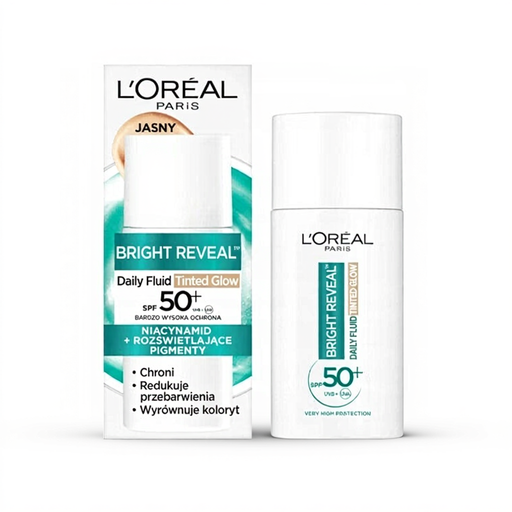
Why this product suits this profile: The stated SPF50+ is appealing to people who prefer a tinted face cream with higher UV protection for everyday use.
The application instructions specify using an adequate amount and reapplying after sweating, swimming or drying yourself. This helps avoid the common misconception that a thin layer is always enough.
SPF50+, light coverage and the option to use the fluid on its own or as a make-up base.
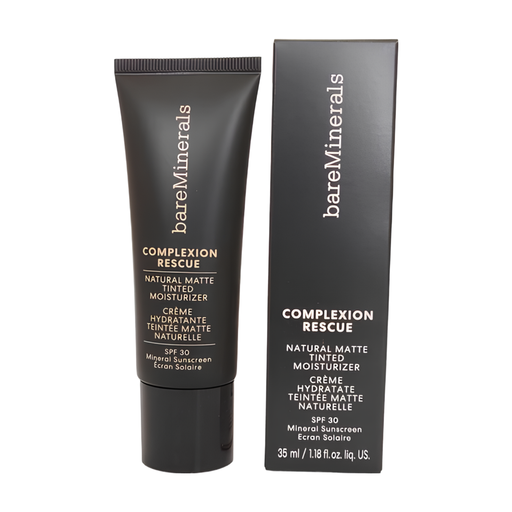
Why this product suits this profile: The product details state that it offers a natural matte finish, an oil-free formula and light coverage.
If you want to avoid a highly shiny finish with oily skin, this product offers a specifically matte approach rather than generic glow-focused claims.
SPF30, a 35 ml size and stated suitability for oily, combination and sensitive skin.
We have put together a complete, regularly updated list of products that fully meet these strict selection criteria and the safety regulations applicable in the EU.
It depends on the formulation. Glycerin, hyaluronic acid, squalane and nourishing oils may indicate a hydration-focused formula. However, your individual skin feel and the complete ingredients list are what matter most. If you have very dry skin, applying a separate moisturiser underneath the tinted day cream may be helpful.
Often, yes, for a light everyday look, provided natural coverage is enough. A tinted moisturiser evens out the skin tone but usually offers less coverage than a classic foundation. For noticeable redness or individual blemishes, it can be combined with concealer.
The jar symbol, the stated period after opening and the best-before date on the packaging are the key sources of information. Store products in a dry, cool place away from direct sunlight. If the smell, colour or consistency changes, stop using the product.