
Lieferung heute & morgen

Qualitätsgarantie

Willkommens-Angebote freischalten: KOSTENLOSE Lieferung | Bis zu 80 % RABATT | Kostenlose 30-Tage-JoyPlus-Testphase
App herunterladen
A tinted moisturiser promises the perfect balance of skincare and light coverage—ideal for an effortless, natural look. But the market is overwhelming, and many products fail to deliver on their advertising claims. As your Joybuy Product Recommendation Officer, I'll help you recognise the typical pitfalls and make an informed decision that suits your skin type and needs.
Before you choose a product, you should be aware of the most common issues that often only become apparent after purchase.
To avoid a bad purchase, you should check three core parameters. These will help you find a product that truly works.
The terms are often used interchangeably but describe different results.
The formulation is crucial in determining whether the product will care for your skin or cause problems.
For effective daily protection against UV radiation, a broad-spectrum (protecting against UVA and UVB rays) SPF of at least 30 is recommended. Products with SPF 50 offer even higher protection and are particularly useful if you spend a lot of time outdoors or are prone to pigmentation spots. Remember that even when using a product with SPF, it should be reapplied regularly, especially after sweating or swimming.
Here are some recommendations tailored to different needs and priorities.
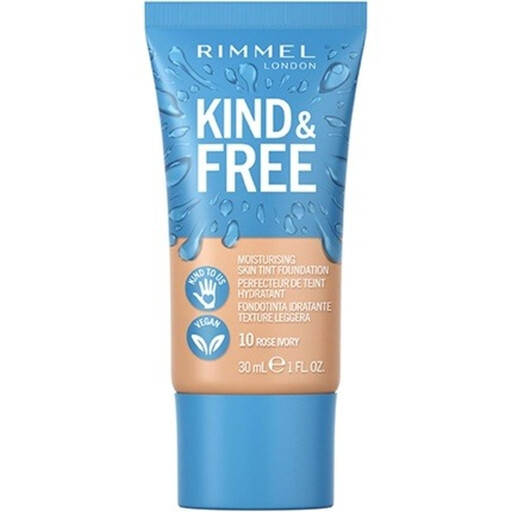
Why this product is a match: Ideal for daily use when you need a straightforward, reliable, and budget-friendly solution. The formula is stripped back to the essentials and is also suitable for sensitive skin for everyday wear.
This product avoids the superficial moisture trap with a formula containing aloe vera and pro-vitamin B5, known for their hydrating and soothing properties. It is free from fragrances and mineral oils.
According to the manufacturer, the formula is 100% vegan and made with 77% ingredients of natural origin. The packaging is made from recycled materials.
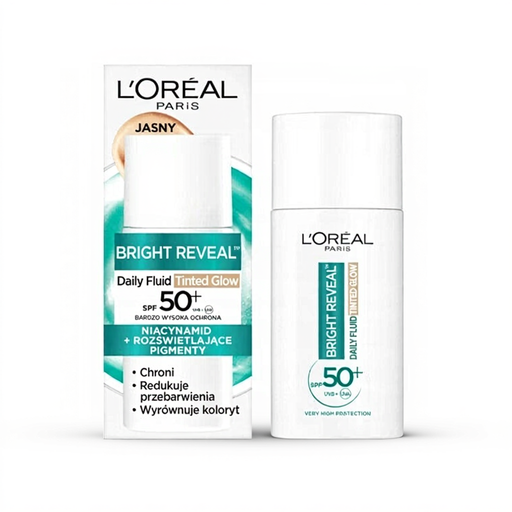
Why this product is a match: Perfect for those whose main priority is high and reliable daily sun protection, without sacrificing a light tint and skincare benefits.
This product decisively solves the problem of inadequate sun protection with a broad-spectrum SPF 50+. This provides a high level of protection that is more than sufficient for daily use.
The formula contains niacinamide, an ingredient known for its ability to improve skin texture and even out skin tone. The fluid texture is lightweight and absorbs quickly.
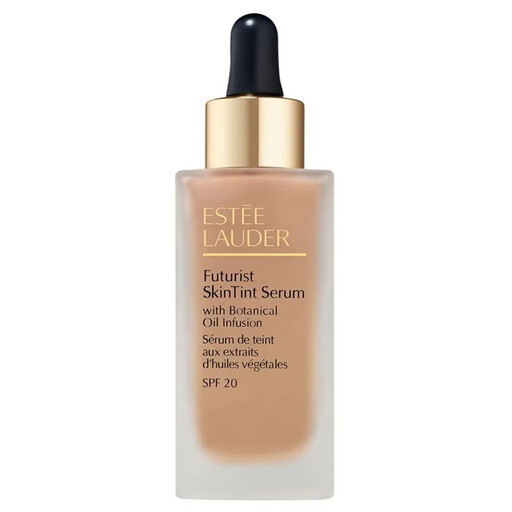
Why this product is a match: For users seeking a hybrid product that combines the efficacy of a serum with the appearance of a light foundation, and who are willing to invest in high-quality ingredients for a noticeable skincare effect.
Designed as a serum-foundation, this product bypasses the "universal shade" trap with a wide range of shades. It offers buildable, light coverage that perfects the complexion rather than masking it.
According to the manufacturer, the formula contains a botanical oil blend for intense hydration and is said to improve the skin's appearance with regular use. The integrated SPF 20 provides basic protection.
We have compiled a complete, up-to-date list of products that fully meet these strict selection criteria and rigorous safety standards.
1. How do I find the right shade of tinted moisturiser online? Many brands offer digital shade-finder tools on their websites. Another method is to determine your skin's undertones (cool, warm, or neutral). Look for product descriptions that mention these undertones (e.g., "with cool, rosy undertones"). If you're unsure, it's often wise to choose a shade that is slightly lighter, as tinted products often blend well into the skin.
2. Does a tinted moisturiser with SPF completely replace my sunscreen? That depends on the SPF and the amount applied. A product with SPF 30 or 50 can be sufficient for normal daily exposure, provided you apply an adequate amount (about a teaspoon for the face and neck). For intense or prolonged sun exposure, such as during a summer holiday or outdoor sports, a separate, dedicated sunscreen that is reapplied regularly is the safer choice.
3. Can I use a tinted moisturiser on acne-prone skin? Yes, but choosing the right product is crucial. Look for formulations labelled as "non-comedogenic," which means they won't clog pores. Oil-free products are also a good option. Ingredients like niacinamide can even be beneficial. Avoid heavy, rich creams that could worsen breakouts.