
Lieferung heute & morgen

Qualitätsgarantie

Willkommens-Angebote freischalten: KOSTENLOSE Lieferung | Bis zu 80 % RABATT | Kostenlose 30-Tage-JoyPlus-Testphase
App herunterladen
A tinted moisturiser combines skincare with colour and can replace a light foundation in your daily routine. It’s ideal for anyone who wants to soften redness and an uneven complexion without applying a heavy layer of make-up. Depending on the formula, the finish ranges from matte to dewy, and coverage is usually sheer to buildable.
At first glance, choosing one seems straightforward. However, some typical marketing claims can lead to the wrong purchase.
A product can feel light and pleasant without providing enough care for dry skin. If you’re looking for a moisturiser with colour, look for specific ingredients such as glycerin, hyaluronic acid, aloe vera water or plant oils. For oily skin, on the other hand, lightweight gel-cream textures and an oil-free product may be more suitable.
A printed SPF value is not a free pass for long periods in the sun. The level of protection depends on the amount applied and regular reapplication. For products with SPF 15, SPF 20, SPF 25, SPF 30 or SPF 50+, always follow the usage instructions on the packaging. For extended time outdoors, a separate sunscreen may be necessary.
An adaptable or very sheer shade can be forgiving of slight mismatches. Still, undertone and lightness matter. A shade that is too pink, yellow or dark can ruin the no-make-up look. With skin tints, it’s worth checking the product name, shade name and available colour description together.
A natural coverage conceals minor imperfections but won’t replace a concealer for more noticeable discolouration. Terms like “sheer”, “light coverage” or “skin tint” usually indicate a transparent to light coverage. “Buildable” means you can increase the coverage by applying another thin layer.
As for finish, there are broadly:
For sensitive skin, claims such as fragrance-free, allergy-tested or non-comedogenic are relevant selection criteria. However, they don’t guarantee individual tolerance. If you have known allergies, check the current INCI list on the packaging. A patch test on a small area of skin can provide extra reassurance.
Dry skin often benefits from humectants and nourishing oils. For oily or shine-prone skin, oil-free, lightweight textures with silica or a gel-cream base are more suitable. With combination skin, a thin layer over the whole face and an extra layer on the cheeks can work well.
A skincare product with SPF should be applied evenly and in sufficient quantity. The colour component doesn’t automatically change the level of protection. Products like the L’Oréal Paris Bright Reveal Tinted Fluid SPF50+ or Eucerin Tinted Face Gel-Cream SPF50+ Sebum Control have a higher stated SPF; always follow the manufacturer’s instructions.
For even application, we recommend:
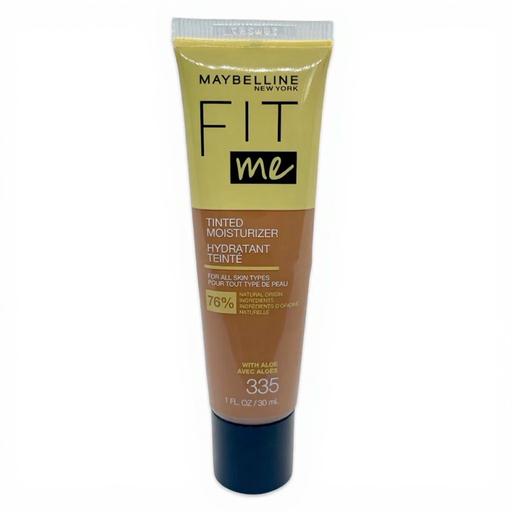
Why this product fits the profile: The 30ml tube and lightweight tinted moisturiser texture make it an easy introduction to tinted face cream and light everyday coverage.
The shade name 120 Ivory makes colour selection more specific than a vague universal claim. No SPF value is stated in the product data provided.
Glycerin is listed in the INCI; the colour can be blended with fingers, a sponge or a brush according to the product details.
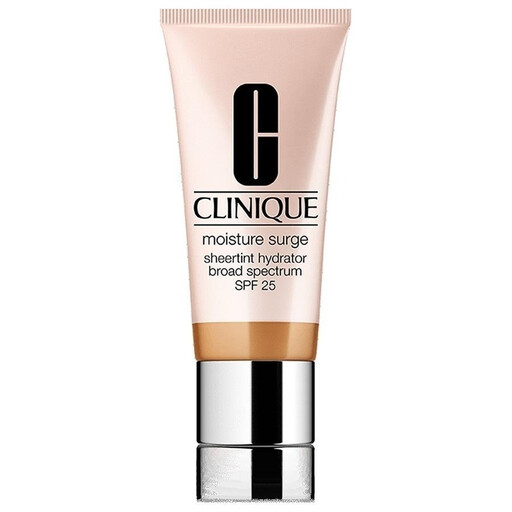
Why this product fits the profile: The combination of sheer coverage, oil-free formula and stated SPF 25 appeals to those who want to combine skincare, colour and a natural complexion.
The product data lists finish, coverage, SPF 25 and an oil-free, fragrance-free formula. This makes key buying criteria clear in advance.
Hyaluronic acid and aloe vera water are listed in the ingredients; the texture is described as sweat- and humidity-resistant.
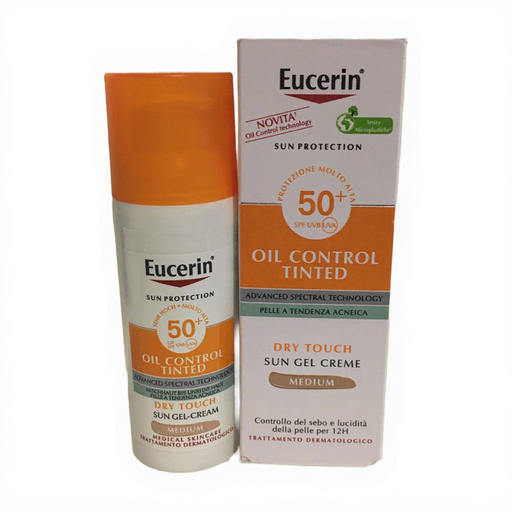
Why this product fits the profile: The gel-cream with stated SPF50+ and sebum-regulating properties is ideal for those who want higher daily sun protection and a matte finish.
The stated SPF50+ is clearly indicated, as is the oil-free and fragrance-free formula. For dry skin, the gel-cream may feel less rich.
Gel-cream texture, matte finish, water-resistant claim and non-comedogenic formula according to the manufacturer data provided.
We’ve put together a full, regularly updated list of products that meet these strict selection criteria and comply with EU safety regulations.
For dry or sensitive skin, the Avène Hydrance BB-RICH Moisturizing Cream SPF 30 and the Rimmel Kind & Free Skin Tint 010 Rose Ivory may be of interest. Avène lists thermal water, shea butter and SPF 30; Rimmel includes vitamin E, provitamin B5 and aloe vera in its product data.
If you’re after a radiant finish and a slightly more luxurious texture, the NARS Pure Radiant Tinted Moisturizer SPF30/PA+++ offers an option with a vitamin C derivative and SPF 30. However, the INCI list contains fragrance and several declared fragrance allergens. If you have sensitive skin, bear this in mind before purchasing.
For very light, buildable coverage, the Florence By Mills Like A Light Skin Tint F010 Fair With Cool Undertones or the Estée Lauder Futurist SkinTint Serum SPF 20 are also worth considering. Match the shade names to your own skin undertone.
A tinted moisturiser usually offers less coverage than a classic foundation. It evens out skin tone and is particularly suited to a natural everyday look. For more visible imperfections, you can use a concealer as well.
Yes, texture and finish are key. Oil-free gel-creams or formulas with a mattifying effect can be more comfortable for oily skin. Rich, very shiny products, on the other hand, can create too much shine more quickly.
The shelf life after opening is product-specific and should be checked on the packaging. Some product data states, for example, 24 months after opening, while others only refer to the packaging symbol. The colour, smell and consistency should not change noticeably during use.