
Lieferung heute & morgen

Qualitätsgarantie

Willkommens-Angebote freischalten: KOSTENLOSE Lieferung | Bis zu 80 % RABATT | Kostenlose 30-Tage-JoyPlus-Testphase
App herunterladen
A tinted moisturiser with SPF promises the perfect blend of skincare, light makeup, and sun protection in a single step. It's the ideal solution for anyone who prefers a natural look and wants to streamline their morning routine. However, the market is crowded, and many products don't live up to their advertising claims. Before you make a decision, it's crucial to understand the most common pitfalls that lead to buyer's remorse.
A widespread problem is the promise of a "universal" tint. Formulations that claim to work for every skin tone often leave a greyish or unflattering cast, especially on very fair or darker skin types. Another critical point is the Sun Protection Factor (SPF). An advertised SPF only provides the stated protection if a sufficient amount of the product is applied, which is often not the case with tinted creams. Furthermore, a cream described as "hydrating" can lead to unwanted shine on oily skin, while a "matte" version can unflatteringly accentuate dry patches.
To make an informed purchasing decision, you should examine three core aspects. These will help you find a product that truly suits your needs and delivers the desired results.
The Sun Protection Factor is more than just a number. For daily use in most regions, an SPF of at least 30 is recommended to effectively protect the skin from UVB rays, which are responsible for sunburn. Additionally, look for protection against UVA rays, often indicated by the "PA" rating (e.g., PA+++) or a circled UVA symbol. These rays penetrate deeper into the skin and contribute to premature skin ageing.
There are two types of UV filters:
A good tinted sunscreen for the face offers broad-spectrum protection, covering both UVA and UVB rays.
The choice of coverage and finish depends on your skin type and the desired result. The terms aren't standardised, but they can be roughly categorised:
natural-looking coverage.BB creams and CC creams fall into this category and can serve as a lightweight foundation.Modern formulations are more than just makeup with sunscreen. They are a foundation with skincare benefits. Look for ingredients tailored to your skin type:
A good day cream with tint and SPF contains active ingredients that offer added value for your skin beyond just the tint.
Based on the criteria above, we have compiled a selection of products suitable for different user profiles.
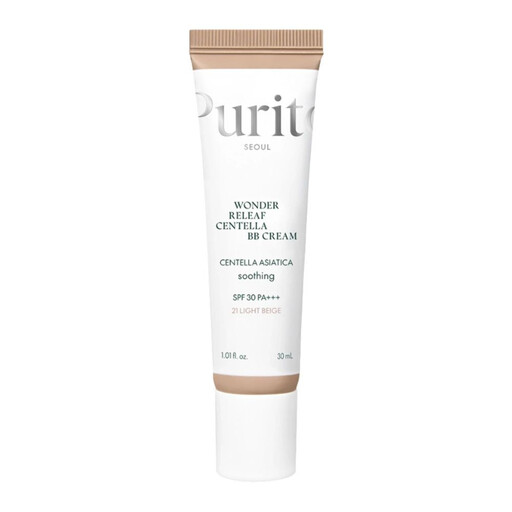
Why it's a match: Ideal for those with sensitive or irritation-prone skin who are looking for soothing care within their makeup. The formula is designed to nourish the skin while being worn.
Instead of a vague "universal" tint, this product offers specific shades. The formulation with Centella Asiatica is specifically tailored to the needs of sensitive skin, not just generally declared as "nourishing."
The formula is enriched with Centella Asiatica extract, known for its skin-soothing properties. It provides natural coverage with a radiant finish.
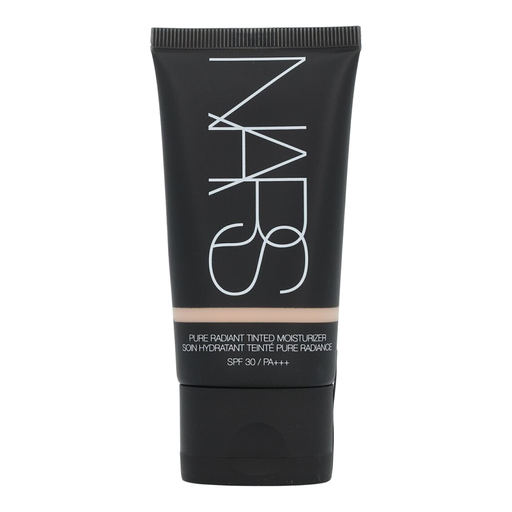
Why it's a match: Perfect for users with dry or normal skin who want a hydrated feel and a visibly radiant finish without it feeling heavy or mask-like.
This product is explicitly positioned as hydrating with a radiant finish, thus avoiding disappointment for users expecting a matte result. It offers a wide range of shades.
The oil-free formula contains Vitamin C, which can help protect the skin from environmental aggressors and provides a radiant look. Offers broad-spectrum protection with SPF 30/PA+++.
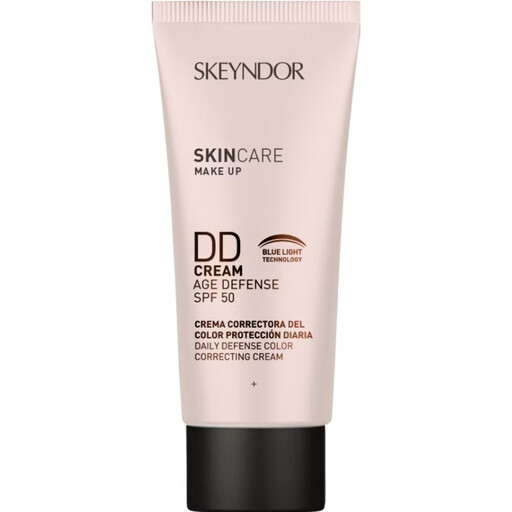
Why it's a match: For users whose priority is very high sun protection and additional anti-ageing properties. This DD (Daily Defense) Cream combines skincare, tint, and a high protection factor.
This product bypasses the pitfall of inadequate sun protection by offering a high SPF 50. This provides more confidence for daily protection, even if the application amount isn't always perfect.
Combines multifunctional care with an "Age Defence" formula and a very high sun protection factor. Ingredients like Sodium Hyaluronate and Tocopheryl Acetate (Vitamin E) support skin health.
We have compiled a complete, up-to-date list of products that fully meet these strict selection criteria and current regulations.
For everyday use, like commuting to work or brief periods outdoors, a tinted moisturiser with SPF 30 or higher can be sufficient, provided it is applied generously. For prolonged sun exposure, outdoor sports, or on holiday, a dedicated sunscreen that is applied in a sufficient amount and reapplied regularly is the safer choice.
Many brands offer shade-matching tools and guidance on their websites. Look for descriptions of the undertone (e.g., cool, warm, neutral) and compare swatches on different skin tones. It can also be helpful to search for online reviews with pictures from people who have a similar skin tone to yours.
Although the lines are often blurred, there are traditional differences: