
Lieferung heute & morgen

Qualitätsgarantie

Willkommens-Angebote freischalten: KOSTENLOSE Lieferung | Bis zu 80 % RABATT | Kostenlose 30-Tage-JoyPlus-Testphase
App herunterladen
A tinted moisturiser with SPF combines skincare, subtle colour and sun protection in one step. This can save you time in the morning and help you achieve a natural no-make-up look. However, tinted moisturisers, BB creams, tinted day creams and lightweight foundations differ significantly in coverage, shade, skin feel and protection factor.
If you only focus on terms like “radiant finish” or “24-hour hydration”, you risk overlooking important details. Three common buying mistakes often lead to the wrong purchase:
SPF 25 and SPF 30 are common values in tinted skincare products. The sun protection factor primarily describes protection against UVB radiation. You should also look for UVA protection, indicated by a UVA symbol on the packaging.
For your commute, short errands and time spent in the office, a moisturiser with sun protection can be practical. For beach days, sport or intense sun exposure, a dedicated sunscreen applied in sufficient quantity is more appropriate. After sweating, swimming or towel-drying, you must reapply the protection according to the product instructions.
A tinted moisturiser typically offers light, natural coverage. It evens out your skin tone subtly, but usually won’t fully conceal stronger redness or pigmentation. A BB cream can be similarly light, while a lightweight foundation or a medium-coverage foundation provides more uniformity.
When it comes to finish, you generally have three options:
When choosing a colour, you should distinguish between Light shade, Universal shade and specific nuances such as Medium, Dark or Custard. A flexible tint is not automatically colourless. Test the shade at the jawline where your face meets your neck, and check it in natural daylight.
For dry skin, ingredients like glycerin, hyaluronic acid, aloe or emollient lipids can be beneficial. An oil-free face cream may suit oily or shine-prone skin better for the desired feel. If you have sensitive skin, it’s worth checking for perfume, essential fragrance components and declared allergens. If in doubt, a patch test on a small area of skin is a sensible precaution.
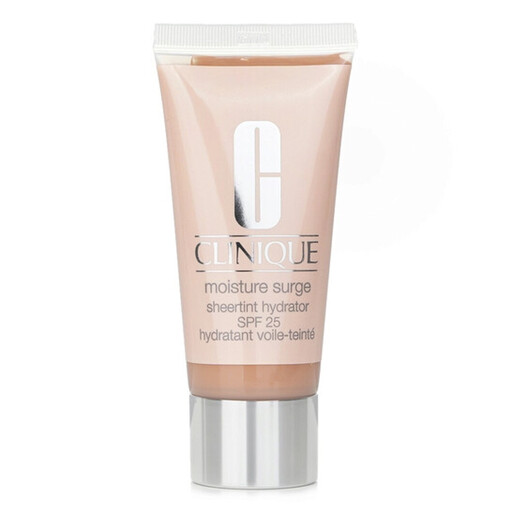
Why this product fits the profile: The lightweight, oil-free texture in Light/Universal Shade 2 is designed for fuss-free everyday make-up with a subtle tint. The product details mention hyaluronic acid, activated aloe water and a natural finish.
The SPF 25 and stated light coverage make the product’s properties easier to assess, rather than suggesting a full foundation effect.
SPF 25, oil-free formulation and a shade with flexible adaptation for a subtle everyday look.
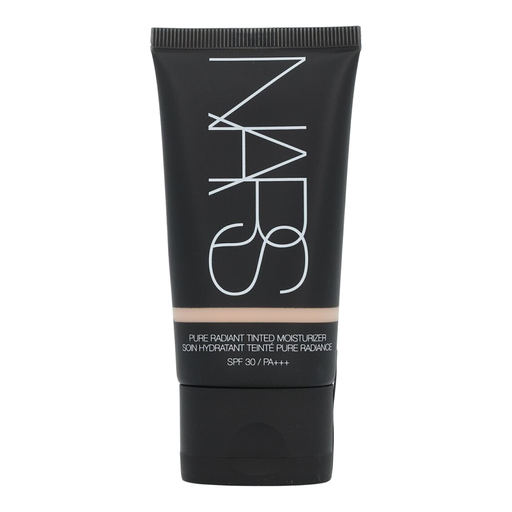
Why this product fits the profile: The Groenland (Light 3) variant combines 50 ml of product, SPF 30/PA+++ and a finish described as radiant. According to the product details, it is oil-free, vegan and contains glycerin as well as a vitamin C derivative.
The specific shade and stated SPF 30 make comparison easier. However, you should still check the INCI list, as perfume and several fragrance allergens are listed.
SPF 30/PA+++, 50 ml content and a lightweight, radiant finish with subtle tint.
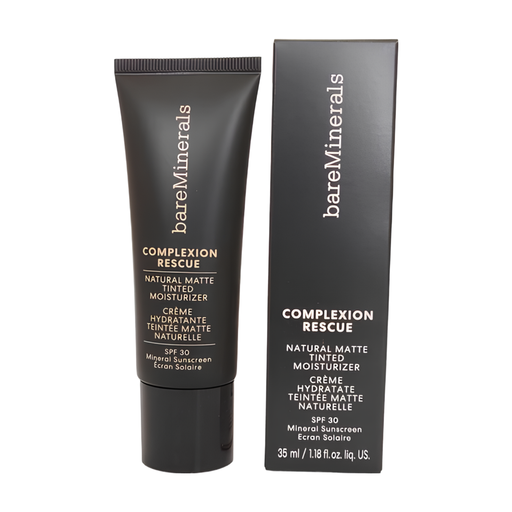
Why this product fits the profile: The Buttercream 03 shade is aimed at shoppers looking for an oil-free, light to sheer coverage texture with a natural, matte finish. The product details mention SPF 30 and suitability for oily, combination and sensitive skin.
The matte finish clearly distinguishes it from a shiny BB cream. SPF 30 and the stated coverage help you categorise the product for daily use.
Oil-free formulation, SPF 30 and a mattifying skin feel with sheer to light coverage.
Apply the tinted day cream to cleansed skin in the morning. If you have dry skin, you can apply a separate moisturiser first. Then put a small amount on your forehead, cheeks, nose and chin, and blend it from the centre of your face outwards.
For natural coverage, a thin layer is usually sufficient. You can carefully build up coverage on individual areas if needed. For more coverage, a lightweight foundation with targeted concealer is more suitable. Let the product sink in for a moment before applying powder or additional make-up.
We have compiled a complete, regularly updated list of products that fully meet these strict selection criteria and the safety regulations in force in the EU.
That depends on how you use it. For short trips and daily wear, an integrated SPF can be practical. For intense or prolonged sun exposure, you should use a dedicated sunscreen and follow the instructions on the amount to apply and reapplication.
No single option is universally suitable for every situation. A BB cream or tinted moisturiser usually offers a lighter tint and a fuss-free skin feel. A lightweight foundation can provide more coverage and a more precise colour selection. What matters most is your skin type, desired finish and the occasion.
The best-before date and the PAO symbol on the packaging are what you should follow. Store the product tightly closed, in a dry place away from direct heat and sunlight. If the smell, colour or consistency changes noticeably, you should stop using it.