
Lieferung heute & morgen

Qualitätsgarantie

Willkommens-Angebote freischalten: KOSTENLOSE Lieferung | Bis zu 80 % RABATT | Kostenlose 30-Tage-JoyPlus-Testphase
App herunterladen
A tinted moisturiser with SPF promises the perfect blend of skincare, light makeup, and daily sun protection. But the market is saturated, and many products fail to deliver on their advertising claims. Instead of an even, protected complexion, many users are left with a patchy result, inadequate protection, or a formula that creates more problems than it solves.
This guide will help you avoid the common pitfalls and make an informed decision that suits your skin type and needs.
Before you buy a CC cream or opt for another tinted day cream, you should critically question these common marketing promises:
To find the right product, focus on these objective parameters instead of marketing messages.
The most important aspect is a reliable tinted facial sunscreen. Pay attention to the following points:
The terminology can be confusing. Here is a simple distinction to help you choose:
The finish can range from matte to natural to radiant/dewy. Choose based on your skin type and personal preference. Oily skin often benefits from a matte finish, while dry skin looks fresher with a radiant one.
A good formula supports your skincare routine. Look for ingredients that suit your skin type:
Here are some products that are suitable for different needs based on objective criteria.
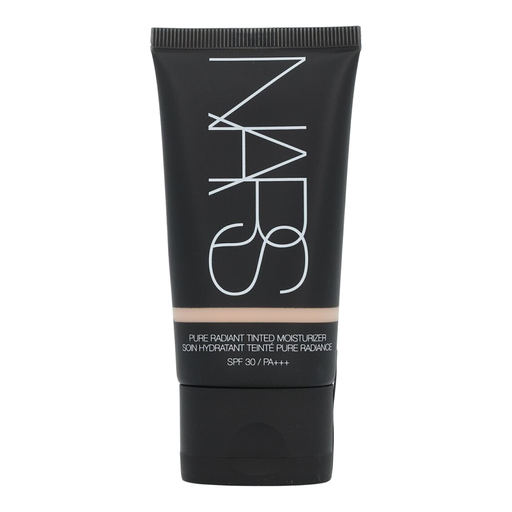
Why This Fits Their Persona: Ideal for users seeking a radiant finish and proven skincare benefits. The formula aims not just to tint the complexion but to improve the skin's appearance over time.
Offers a wide range of shades, thus avoiding the "one-shade" trap. The SPF 30 with a PA+++ rating signals clear broad-spectrum UVA/UVB protection. Vitamin C, as Ascorbyl Glucoside, is prominently featured in the formula.
The oil-free formula provides a radiant but non-greasy finish. It contains Vitamin C and sea algae extracts that can help brighten and hydrate the skin.
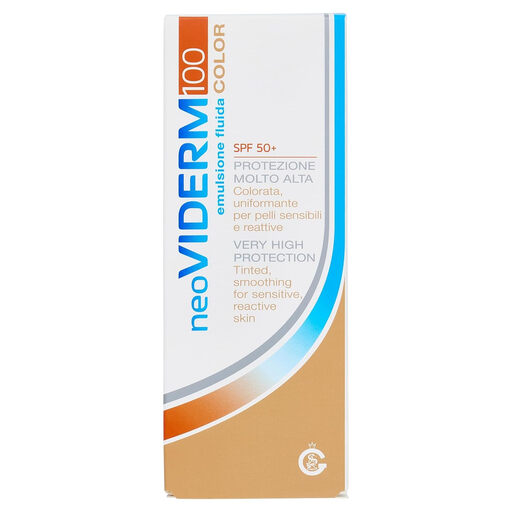
Why This Fits Their Persona: Perfect for anyone whose main concern is protection against sun damage. This emulsion combines a very high SPF with a light tint for daily use, especially for sensitive skin.
The focus is clearly on the very high SPF 50+, thereby avoiding the trap of inadequate protection. The formula is declared hypoallergenic and suitable for sensitive skin, indicating a well-thought-out composition.
Provides very high broad-spectrum protection (SPF 50+). The formula is water-resistant and has been tested for heavy metals like nickel to minimise allergy risks.
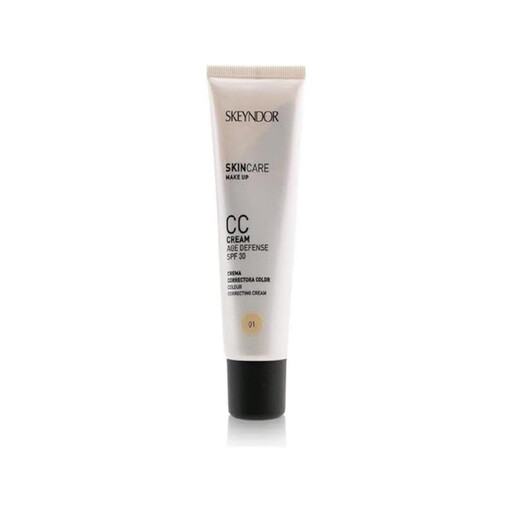
Why This Fits Their Persona: Suitable for users who want to specifically correct skin irregularities like redness or a dull complexion without using a heavy foundation. The focus is on achieving an even skin tone.
As a CC cream, it sets clear expectations for colour correction. The SPF 30 offers solid protection for daily use. The formula also contains active ingredients like Vitamin C and hyaluronic acid, going beyond a simple tint.
Combines colour correction with anti-ageing active ingredients. The lightweight, non-greasy texture provides a natural finish while protecting against environmental factors.
We have compiled a complete, up-to-date list of products that fully meet these strict selection criteria and relevant safety regulations.
That depends on the amount applied and the SPF level. To achieve the protection stated on the packaging, you need to apply a generous amount (approx. 1.25 ml or a 2-finger length for the face and neck). With an SPF below 30 or during prolonged, direct sun exposure, it is recommended to use a dedicated sunscreen underneath the tinted cream.
First, determine your skin's undertone. A look at the veins on your wrist can help: bluish-purple veins indicate a cool undertone, greenish veins a warm undertone, and a mix of both a neutral undertone. Brands often provide clues like "C" (Cool), "W" (Warm), or "N" (Neutral) in the shade names. Also, compare online pictures of the product on skin tones similar to your own.
In short: