
Lieferung heute & morgen

Qualitätsgarantie

Willkommens-Angebote freischalten: KOSTENLOSE Lieferung | Bis zu 80 % RABATT | Kostenlose 30-Tage-JoyPlus-Testphase
App herunterladen
For many, a tinted moisturiser with SPF is a practical alternative to foundation. It combines hydration, a hint of colour for an even complexion, and essential daily sun protection in a single product. The result is a natural look and a simplified morning routine.
This article serves as your guide. We'll introduce a selection of products with different features and provide you with objective criteria to help you choose the right tinted moisturiser for your needs.
The right product for you depends on your individual needs. Three key factors are the sun protection factor, the formula for your skin type, and the desired coverage.
The Sun Protection Factor (SPF) indicates how well a product protects the skin from UVB rays. Broad-spectrum protection is also crucial, as it additionally shields against UVA rays, which can contribute to skin ageing. For daily use in Central Europe, an SPF of 25 to 30 is often sufficient. For intense sun exposure or very fair skin types, SPF 50 can be a safer choice.
The ingredients determine how a product feels and performs on the skin.
Tinted moisturisers generally offer light coverage that evens out the skin tone without a masking effect. A BB cream may provide slightly higher coverage. The finish can range from radiant and dewy to matte, depending on personal preference and skin type.
Here is an overview of selected products that meet different needs. The descriptions are based on information provided by the manufacturers.
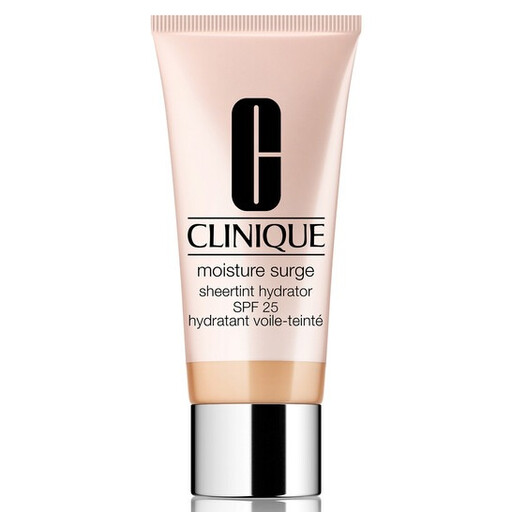
What makes it stand out: This product combines a light tint with intense hydration. According to the manufacturer, the formula with hyaluronic acid and activated aloe water keeps the skin hydrated for up to 12 hours. The texture is oil-free and designed to be sweat- and humidity-resistant.
Benefits:
Who it's for: Users with normal to dry skin who prefer very light coverage, a radiant finish, and long-lasting hydration.
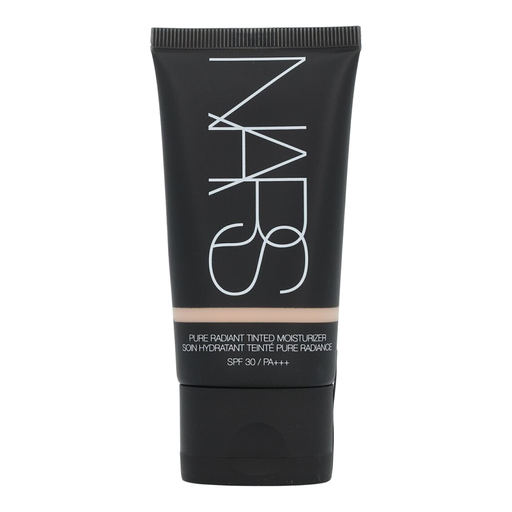
What makes it stand out: This oil-free tinted moisturiser aims to give the complexion a radiant glow. The formula contains ascorbyl glucoside, a vitamin C derivative, and offers solid broad-spectrum protection with SPF 30 / PA+++. The coverage is described as light and buildable.
Benefits:
Who it's for: Ideal for those with normal to combination skin who want a luminous finish. Due to the added fragrance, it is advisable to check the ingredient list if you have very sensitive skin.
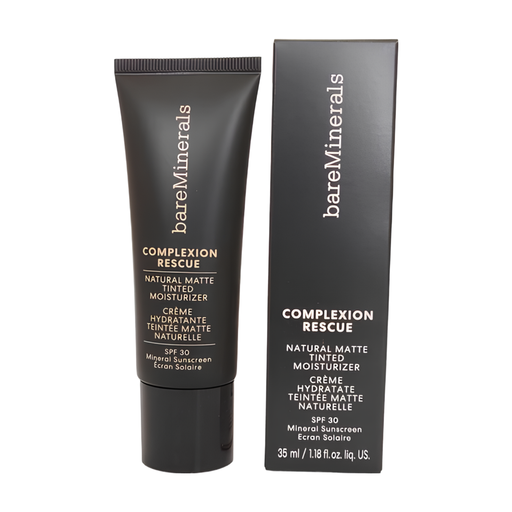
What makes it stand out: This version was specifically developed for a natural matte finish. According to Bare Minerals, the oil-free formula controls shine for up to 12 hours. The sun protection is based on mineral filters (SPF 30). The formulation is tailored to the needs of oily and blemish-prone skin.
Benefits:
Who it's for: A great option for people with oily, combination, or acne-prone skin who are looking for a mattifying product.
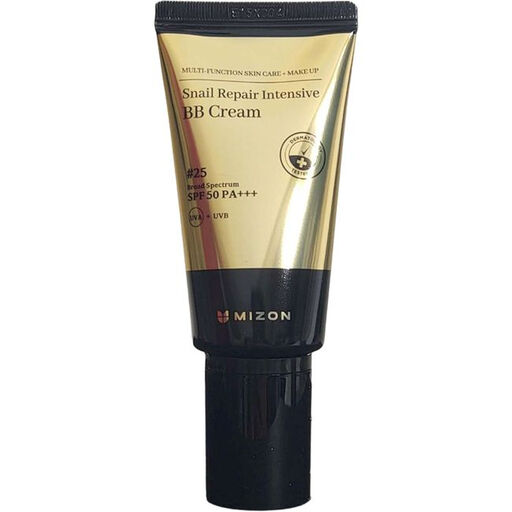
What makes it stand out: As a BB cream, this product typically offers more coverage than a classic tinted moisturiser. A key feature is its very high sun protection with SPF 50 and PA+++. The formula contains snail secretion filtrate, an ingredient popular in Korean skincare, which is credited with regenerative properties.
Benefits:
Who it's for: Users looking for maximum sun protection and more coverage than a conventional tinted day cream.
Haven't found the right product for you yet? The market offers a wide variety of other formulations tailored to different needs and skin tones.
Discover our full range of tinted facial SPF moisturisers and find the perfect care for your skin type.
1. What is the difference between a tinted moisturiser, a BB cream, and a CC cream? A tinted moisturiser focuses on hydration and offers the sheerest coverage. A BB cream (Blemish/Beauty Balm) typically provides more coverage and additional skincare benefits. A CC cream (Colour Correcting) concentrates on colour correction to neutralise issues like redness or a dull complexion.
2. Can a tinted moisturiser with SPF replace a traditional sunscreen? For effective protection, it is crucial to apply a sufficient amount of the product (a rule of thumb is about a two-finger length for the face and neck). For everyday use, this may be enough. However, during prolonged and direct sun exposure, after swimming, or heavy sweating, it is recommended to use a dedicated sunscreen in addition and to reapply it regularly.