
Lieferung heute & morgen

Qualitätsgarantie

Willkommens-Angebote freischalten: KOSTENLOSE Lieferung | Bis zu 80 % RABATT | Kostenlose 30-Tage-JoyPlus-Testphase
App herunterladen
A single product that protects from UV rays, nourishes the skin, and evens out your complexion sounds like the ideal addition to any daily routine. A tinted SPF 50 sunscreen promises to do just that. However, the search for the right product can quickly become a challenge, as many formulas fail to deliver on their promises. Before you make a decision, you should be aware of three common pitfalls that lead to poor purchases.
To make an informed decision, it's helpful to evaluate products based on objective criteria. Pay attention to the following three parameters to find a tinted sunscreen that suits your needs.
The Sun Protection Factor (SPF) only indicates protection against UVB rays, which are responsible for sunburn. For comprehensive protection against premature skin ageing and hyperpigmentation, high UVA protection is just as crucial.
The texture and the result on the skin are crucial for daily usability. A tinted SPF 50 day cream is not the same as an SPF 50 foundation.
Modern formulations are often multifunctional and contain active ingredients that target specific skin concerns.
Instead of making a one-size-fits-all recommendation, we have identified products tailored to different needs and skin types.
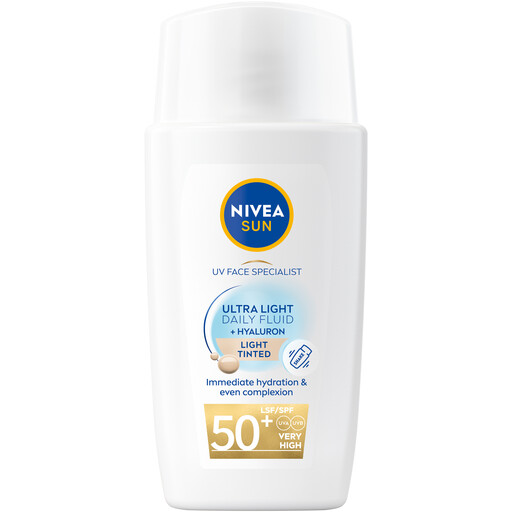
Why This Fits Their Persona: Ideal for users seeking a reliable, straightforward, and affordable product for daily use. It offers high protection from a trusted brand without compromising on texture.
This product sidesteps the "one-shade-fits-all" trap by offering a specific shade for fair skin types, ensuring a more natural result.
The ultra-light fluid texture with hyaluronic acid provides moisture without being greasy. It absorbs quickly and leaves a mattified finish.
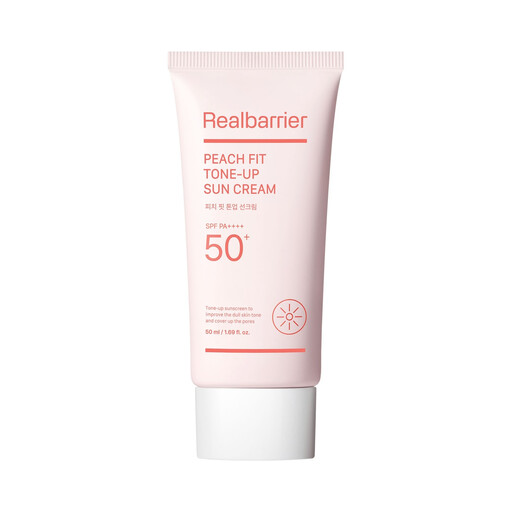
Why This Fits Their Persona: Perfect for K-Beauty fans looking for an innovative texture and an instant "glowy" effect. This cream combines high protection with a brightening finish for a radiant complexion.
Instead of heavy coverage, this cream uses a subtle peach tone to brighten the complexion and add luminosity without looking mask-like or pasty.
The patented MLE technology strengthens the skin barrier, while ceramides and panthenol soothe and hydrate the skin. The high PA++++ rating offers excellent UVA protection.
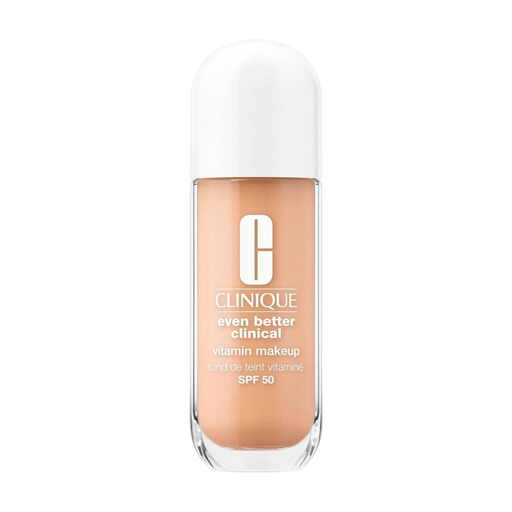
Why This Fits Their Persona: For those who want a high-performance solution that combines the coverage of a foundation with potent skincare and very high sun protection. Ideal for actively working towards an even complexion.
As a true SPF 50 foundation, this product is available in numerous shades. This allows for precise colour matching and avoids the unnatural look of "one-shade" products.
The formula contains active ingredients like niacinamide, vitamin C, and salicylic acid, which, according to the manufacturer, help to improve the appearance of dark spots and refine the complexion.
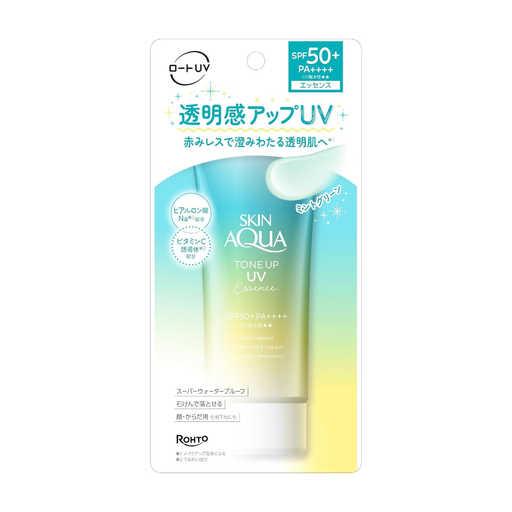
Why This Fits Their Persona: A targeted solution for skin prone to redness. This product combines very high UV protection with a colour-correcting function in an ultra-light texture typical of Japanese sunscreens.
Instead of covering redness with heavy pigments, the mint-green hue visually neutralises it. The light essence texture avoids the feeling of a heavy, pore-clogging layer.
The sun serum texture absorbs instantly without leaving a sticky film. It works excellently as a makeup base and offers very high protection with SPF50+ and PA++++.
We have compiled a complete, up-to-date list of products that fully meet these strict selection criteria and all applicable safety regulations.
To achieve the sun protection factor stated on the packaging, using a sufficient amount is crucial. A common recommendation is the "two-finger rule": apply two strips of the product to your index and middle fingers. This amount should be enough for your face and neck. Applying too little significantly reduces the level of protection.
That depends on the product's coverage and your personal preferences. A tinted sunscreen typically offers light to medium coverage that evens out the skin tone and conceals minor imperfections. This may be sufficient for a natural, everyday makeup look. If you desire higher coverage to conceal more significant blemishes or dark spots, an SPF 50 foundation or the additional use of a concealer would be a better choice.
Not necessarily. While older formulations with mineral filters (zinc oxide, titanium dioxide) often left a visible white cast, modern products use micronised or nano-sized particles. These particles are so small that they appear transparent on the skin. Combined with the added pigments, the whitening effect is typically completely avoided in high-quality tinted sunscreens.