
Lieferung heute & morgen

Qualitätsgarantie

Willkommens-Angebote freischalten: KOSTENLOSE Lieferung | Bis zu 80 % RABATT | Kostenlose 30-Tage-JoyPlus-Testphase
App herunterladen
A tinted face sunscreen SPF 50 is designed to combine several benefits: high sun protection, a more even skin tone and a comfortable texture for everyday use. In practice, however, some product claims can lead to disappointing purchases. A colour that looks neutral in an online image may appear noticeably too pink, yellow or light on the skin. A “tone-up” effect does not automatically mean foundation-level coverage either. Often, it simply creates a visually brightening or colour-correcting film.
Tinted products are often applied sparingly, like a day cream or make-up base. However, achieving the advertised SPF 50 or SPF 50+ depends on applying the amount specified on the packaging. If too little is used, the actual level of protection decreases. This also applies to lightweight sunscreens with a fluid or serum-like texture.
A green tint can visually neutralise redness, a pink shade can soften a dull appearance and a yellow tone can make the complexion look warmer. The result is usually light and sheer. If you want to completely cover blemish marks or more pronounced unevenness, you may also need a concealer or foundation.
Fragrances, alcohol, certain UV filters or rich skincare ingredients may feel different depending on your skin. If you have sensitive, dry or blemish-prone skin, it is worth checking the full INCI list. A formula described as “non-comedogenic” or “allergy tested” is not a guarantee that it will suit every individual.
SPF primarily describes protection against UVB rays, which are associated with sunburn, among other effects. For daily facial care, you should also look for stated UVA protection. Korean sunscreens and Japanese products often feature the PA++++ rating. This refers to the UVA protection classification used in the relevant market and is not equivalent to a European SPF rating.
A product with SPF 50+ is not an invitation to spend longer in the sun. Protective clothing, sunglasses, a hat and shade remain advisable. Reapply sun protection after sweating, swimming, drying yourself or rubbing the skin.
Check whether the colour is described as Universal Shade, rosé, peach, green, lavender or yellow. Testing along the jawline and on the neck gives a better indication than testing on the back of your hand. With tone-up sunscreen in particular, applying a shade that is too light can create a grey or whitish cast.
If you want to use it as sunscreen as a make-up base, the formula should dry evenly and work well with additional products. Waiting briefly between applying sunscreen and foundation can help reduce pilling.
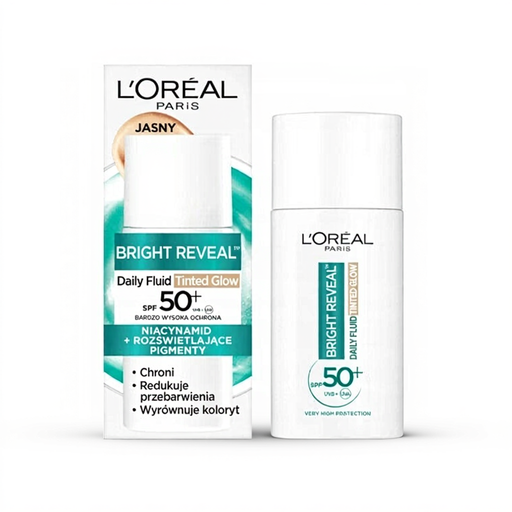
Why this product suits the profile: This tinted fluid is suitable for anyone looking to combine a light tint, SPF 50+ and fuss-free application, either under make-up or on its own.
The product information explicitly states that it offers light coverage and can be used as a make-up base. This makes it easier to set realistic expectations about the tint.
SPF50+, iron oxides for the tint, niacinamide and a fluid texture according to the product description.
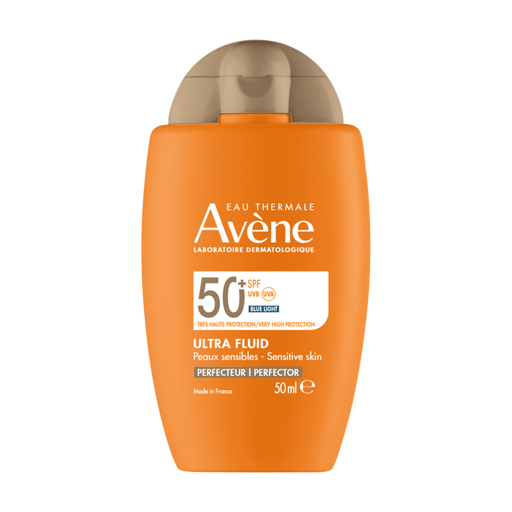
Why this product suits the profile: This water-light tinted formula is designed for daily facial protection and, according to the product description, has been developed for sensitive skin.
The product description points out that the universal shade provides light colour correction only, rather than foundation coverage.
SPF50+, UVA and UVB protection, water-resistant formula and fragrance-free according to the product data provided.
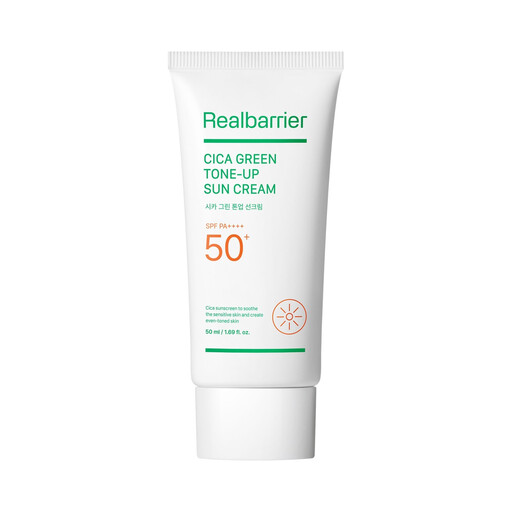
Why this product suits the profile: The green tint is aimed at users who want to visually neutralise redness and incorporate sun protection into their daily skincare routine on a regular basis.
The product data explicitly states that it provides light coverage. The green shade should therefore be tested along the jawline before buying.
SPF50+ PA++++, cica extract, ceramide NP and a non-sticky texture according to the product description.
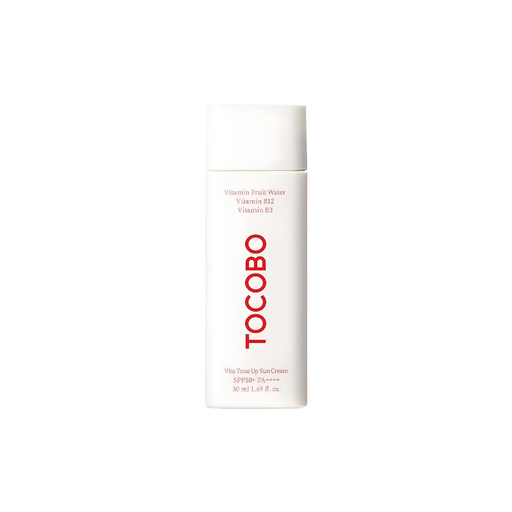
Why this product suits the profile: This milky emulsion with a pastel pink tint is designed to create a fresh finish and provide daily tinted sun protection.
The product information distinguishes between a tone-up effect and classic coverage. The colour is therefore a visual correction and does not automatically replace foundation.
SPF50+ PA++++, niacinamide, sodium hyaluronate and a lightweight, non-greasy texture according to the product description.
We have put together a complete, regularly updated list of products that fully meet these strict selection criteria and the safety regulations applicable in the EU.
Important: A product with SPF 30, such as Clinique Moisture Surge Sheertint or VIDIVICI Skin Illumination, is not equivalent to a face cream with SPF 50. If you are specifically looking for very high daily protection, check the SPF rating before buying.
That depends on the level of coverage you want. Many products only lightly even out the skin tone and create a natural finish. For more pronounced redness, pigmentation or blemishes, you may also need a concealer. Sun protection should not be reduced in order to apply more full-coverage make-up.
The best-before date and the PAO symbol on the packaging, such as “12M”, are the key indicators. Heat, direct sunlight and frequent opening can affect the product’s properties. Changes in colour, smell or consistency are reasons to stop using the product.
Look for a relatively short INCI list and check whether the product is described as fragrance-free or developed for sensitive skin. According to the product information, Avène Ultra Fluid Perfector SPF 50+ is developed for sensitive skin and is fragrance-free. Even so, every new product should first be tested on a small area of skin. Stop using it if irritation persists.