
Lieferung heute & morgen

Qualitätsgarantie

Willkommens-Angebote freischalten: KOSTENLOSE Lieferung | Bis zu 80 % RABATT | Kostenlose 30-Tage-JoyPlus-Testphase
App herunterladen
A tinted facial sunscreen with SPF 50 is designed to do several jobs at once: protect against UVA and UVB rays, feel comfortable on the skin, visually even out the complexion and provide a good base for make-up. This combination is precisely what makes choosing the right product challenging. A high sun protection factor alone says little about whether a tinted facial sunscreen will feel comfortable to wear every day.
Tone-up sun creams and products marketed as “sunscreen with a make-up effect” usually contain only lightweight pigments. They can visually even out the complexion, soften the appearance of redness or help create a radiant finish. However, they may not cover more prominent blemishes, clearly visible pigmentation or pronounced redness.
If you want to replace full-coverage foundation, you should therefore check the information on coverage, shade and finish. An overly light tone-up effect can also leave a visible veil on the skin.
The stated level of protection only applies when a sufficient amount is used. A thin layer that feels like a normal moisturiser is often not enough. The product should be spread evenly and generously over the face and neck. With prolonged sun exposure, regular reapplication is essential, particularly after sweating, swimming or drying yourself.
Tinted formulations can also encourage you to use less product so that the finish does not look too intense. This is not ideal for sun protection. If necessary, a colourless moisturiser or a separate sunscreen underneath may be useful, provided the products blend well together.
A shiny finish may feel comfortable on dry skin, but can quickly look undesirable on oily or combination skin. Conversely, a mattifying sunscreen can emphasise dry skin. For sensitive skin, check the INCI list for fragrances, alcohol and any known personal intolerances.
Colour pigments are not automatically universally suitable either. Testing the product along the jawline is a better way to see whether a peach, green, lavender or neutral shade suits your complexion.
For daily facial care with frequent outdoor exposure, SPF 50 or SPF 50+ is an obvious choice. SPF primarily refers to UVB protection, while UVA radiation should also be taken into account. Look for indications such as UVA protection, broad-spectrum protection, PA++++ or the UVA symbol on the packaging.
A mineral facial sunscreen, for example, may be formulated with zinc oxide or titanium dioxide. Chemical or organic UV filters work according to a different filtering principle. What matters is the specific formulation, correct application and your individual skin tolerance.
The tint should match the result you want to achieve:
The colour description does not always indicate the actual level of coverage. Product images and application guidance can therefore be helpful.
For dry skin, glycerine, hyaluronic acid, aloe vera water or nourishing lipids may be worth considering. Oily skin is generally better suited to lightweight gel-cream textures, silica and oil-free formulations. If you wear sunscreen under foundation, look for a product that absorbs quickly and leaves an even finish.
A moisturiser with SPF can streamline your morning routine, but it does not automatically replace every additional skincare product. Very dry skin may still need a separate moisturiser underneath the sunscreen. For more subtle everyday coverage, products such as a Tinted Moisturizer SPF 30 are also available; however, when you need stronger protection, the sun protection factor should take priority.
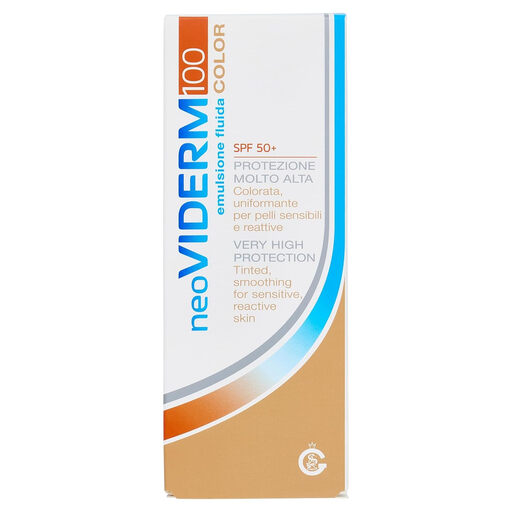
Why this product suits this profile: According to the product description, this tinted emulsion is aimed at sensitive and reactive skin. It offers subtle colour adaptation and can be used as a make-up base.
The information states that the formula is water-resistant and hypoallergenic, with a recommended application amount of 2 mg/cm². However, personal intolerances should still be checked with a patch test.
SPF 50+, tinted emulsion, water resistance according to the product information and details of selected trace elements.
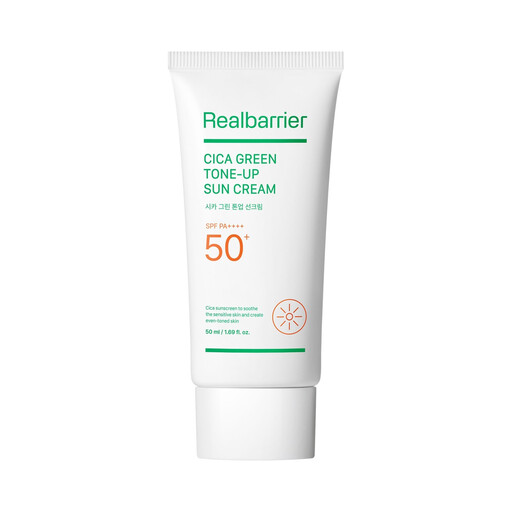
Why this product suits this profile: The green shade is designed to visually neutralise redness. This makes it suitable for anyone looking for a correcting effect without full make-up.
The product information explicitly points out that the green shade is not suitable for every skin tone. Testing it on a small area of skin can help you choose the right colour.
SPF 50+, PA++++, green tone-up effect and, according to the product description, Cica extract and a lightweight, non-sticky texture.
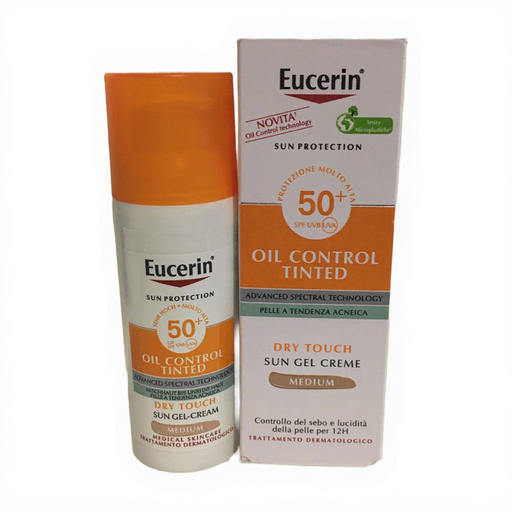
Why this product suits this profile: According to the product description, the gel cream is oil-free, fragrance-free and non-comedogenic. The matte finish is particularly appealing for skin types where shine becomes an issue throughout the day.
The information describes a universal tint and a mattifying finish. This means you are not limited to a single shade; nevertheless, testing it on your skin is still advisable.
SPF 50+, gel-cream texture, universal tint and oil-free, fragrance-free properties according to the product description.
We have put together a complete, regularly updated list of products that fully meet these strict selection criteria and the safety regulations applicable in the EU.
That depends on the level of coverage you want. Tinted sunscreen usually helps even out the complexion slightly and can visually soften redness. However, it does not automatically replace a foundation with medium or high coverage.
The PAO symbol, best-before date and information on the packaging are the key points to consider. Heat, direct sunlight and frequent opening can affect product quality. If the colour, smell or consistency changes, do not continue using the product.
Yes, provided the texture has had enough time to absorb. Leave a few minutes between applying sunscreen and foundation. If the product pills or leaves patches, try using less skincare underneath, applying with less friction and choosing a compatible make-up texture.