
Lieferung heute & morgen

Qualitätsgarantie

Willkommens-Angebote freischalten: KOSTENLOSE Lieferung | Bis zu 80 % RABATT | Kostenlose 30-Tage-JoyPlus-Testphase
App herunterladen
Wrinkled clothes right before an important meeting or while travelling are a common frustration. There isn't always time or space for an ironing board and iron. A garment steamer, also known as a clothes steamer or steam brush, offers a practical and fast solution. These devices allow you to remove wrinkles directly from hanging garments and refresh fabrics.
This article serves as your buying guide. It explains the key features to look for when choosing a steamer and presents a selection of models with different capabilities to help make your decision easier.
Choosing the right device depends on your individual needs. Whether it's for quick use at home, in the office, or as a travel steamer, the following criteria will help you make an informed decision.
A garment steamer's power is measured in watts (W) and indicates its steam output and how quickly it's ready to use. A higher wattage generally results in a shorter heat-up time and a more powerful, consistent steam flow.
The size of the water tank, measured in millilitres (ml), determines how long you can steam continuously before needing to refill.
An ergonomic design and low weight are crucial for comfortable use, especially when steaming multiple items. Look for a sufficiently long power cord for greater flexibility. Useful accessories, like a brush attachment, can help remove lint and hair and allow steam to penetrate deeper into coarse fabrics.
Based on objective product features like power, tank size, and functionality, we have curated a selection of devices that cater to a variety of needs.
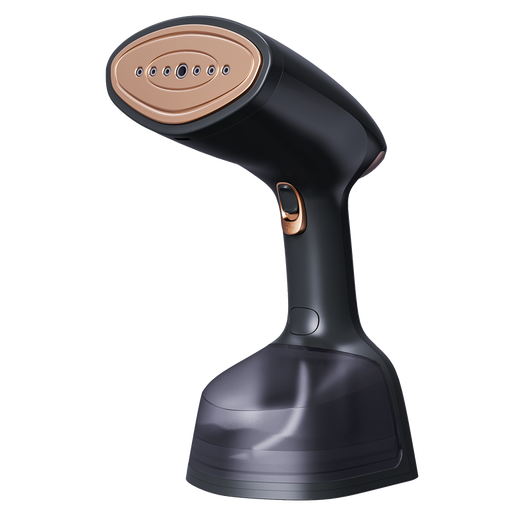
Why It Stands Out With 1800W of power and two steam levels, this model offers high efficiency for removing wrinkles from clothes. Its short heat-up time of under 30 seconds and large water tank make it a powerful tool for regular use.
Advantages
Who It's For Individuals looking for a powerful solution for frequent use at home or in the office, who regularly need to steam multiple garments or even home textiles like curtains and tablecloths.

Why It Stands Out This model combines a powerful 1500W performance with a very fast heat-up time of just 25 seconds. The 7-hole stainless steel panel ensures even steam distribution, while triple safety features like overheat and dry-run protection provide safe operation.
Advantages
Who It's For Users who prioritise very fast readiness and comprehensive safety features. The balance of power and a 250 ml tank makes it a versatile all-rounder for home and travel.

Why It Stands Out Weighing just 460 g and featuring compact dimensions, the Cuisync steamer is designed specifically for portability. Despite its lower 700W power rating, it's ready in 45 seconds and delivers solid steam performance for refreshing clothes on the go.
Advantages
Who It's For Frequent travellers and anyone needing an extremely lightweight and compact solution for quickly smoothing clothes without an iron on the move. Perfect for a suitcase or office drawer.
The models featured here cover a broad spectrum of needs. However, if you're looking for specific features or different designs, you can find more devices in our comprehensive category.
? Discover More Handheld Steamer Models Here
1. Can a garment steamer completely replace an iron? A handheld steamer is ideal for quickly refreshing clothes, removing light to medium wrinkles, and eliminating odours. It's excellent for delicate fabrics like silk or wool. However, for achieving sharp creases on items like shirt collars and cuffs, or for very thick fabrics like heavy denim, a traditional iron often remains the more effective choice.
2. What kind of water should be used in a garment steamer? To prevent limescale buildup and extend the device's lifespan, using distilled or demineralised water is recommended. Tap water, especially in areas with hard water, can leave mineral deposits that may clog the steam nozzles and impair performance.
3. Is a garment steamer safe for all types of fabric? Most garment steamers are safe for a wide range of fabrics, including cotton, linen, polyester, and wool. For very delicate materials like silk, velvet, or chiffon, it is advisable to test on an inconspicuous area first or use a brush attachment to avoid direct contact between the hot plate and the fabric. Always check the care instructions on the garment's label.