
Lieferung heute & morgen

Qualitätsgarantie

Willkommens-Angebote freischalten: KOSTENLOSE Lieferung | Bis zu 80 % RABATT | Kostenlose 30-Tage-JoyPlus-Testphase
App herunterladen
Choosing the right baby bottle can be a challenge for new and expectant parents. The market is filled with a multitude of models, all promising specific benefits. However, not every innovation is suitable for every baby, and some well-intentioned product features prove impractical in daily life. As your Joybuy Product Recommendation Officer, I'll help you identify the important criteria and distinguish marketing hype from genuine, functional advantages.
Before we delve into the crucial features, let's look at two common problems that can lead to frustration and unnecessary expense.
To make an informed decision, you should focus on three objective criteria that directly impact your baby's comfort and safety.
The material of the bottle and teat is a fundamental choice. All baby bottles sold in the EU must meet legal safety standards.
Bottle Body:
Teat:
The right combination of teat shape and hole size is crucial for a relaxed feeding experience.
Also, consider the accessories. If you plan to use a bottle warmer or a baby bottle steriliser, ensure that your chosen bottles are compatible. A baby bottle set can be a cost-effective and practical solution here, as bottles, teats, and sometimes accessories like pacifiers are designed to work together.
Here are some recommendations tailored to specific parental requirements.
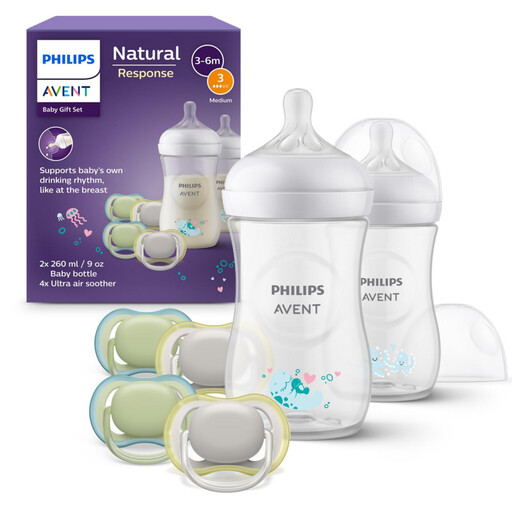
Why This Fits Their Persona: Ideal for parents who want to combine breastfeeding and bottle feeding. The teat is designed to support the baby's natural drinking rhythm by releasing milk only when the baby is actively drinking—just like at the breast.
Instead of just visually mimicking the breast, the Natural-Response teat focuses on the function of sucking and pausing, which can reduce nipple confusion.
The no-drip tip prevents milk spillage. The set also includes pacifiers, making it a great starter kit.
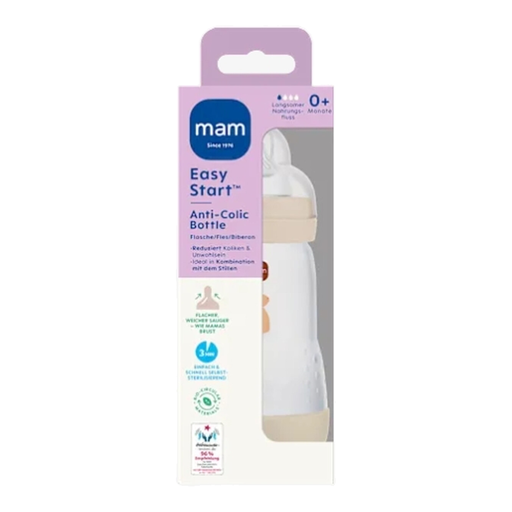
Why This Fits Their Persona: For parents whose babies are prone to colic and gas. The MAM baby bottle is known for its vented base, which ensures an even flow and prevents the baby from swallowing air.
Although the system is multi-part, it can be fully disassembled, and the wide neck makes it easy to thoroughly clean all components, including the base valve.
The bottle has a self-sterilising function for the microwave, which is very practical for on-the-go use. The flat, soft teat is well-accepted by many babies.
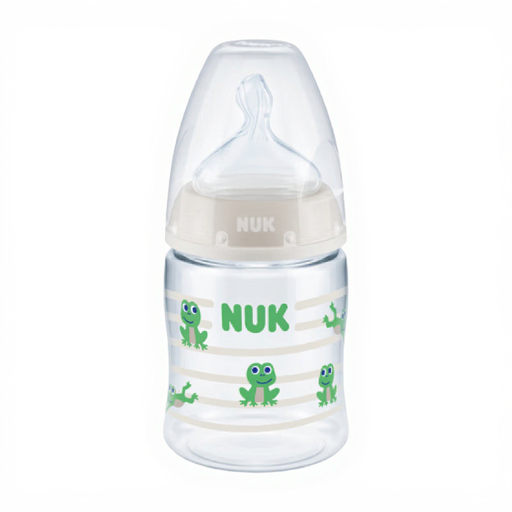
Why This Fits Their Persona: For parents who value safety and straightforward handling. The NUK baby bottle features an integrated Temperature Control indicator that changes colour when the contents are too hot.
The anti-colic system is integrated directly into the teat, requiring no extra parts. The extra-wide bottle neck makes filling and cleaning very simple.
The temperature indicator provides a quick, visual safety check. The bottle is made from lightweight yet durable polyamide (PA).
We've compiled a complete, up-to-date list of products that fully meet these strict selection criteria and all relevant safety regulations.
1. How often should you replace a baby bottle and its teat? For hygiene and safety reasons, it is recommended to replace teats every one to two months, or sooner if they show signs of wear such as cracks, discolouration, or a sticky surface. Plastic bottle bodies should be replaced if they become scratched or cloudy, as bacteria can accumulate in the cracks. Glass bottles can be used for longer if they remain undamaged.
2. Which material is suitable for a baby bottle: glass, PP, or PA? All three materials are safe; the choice depends on your priorities.
3. What should be considered when cleaning and sterilising baby bottles? Clean all parts of the bottle immediately after each feeding with warm water, washing-up liquid, and a bottle brush. There are several methods for sterilisation: boiling in a pot for at least five minutes, using a steam steriliser (baby bottle steriliser), or, for some models, a self-sterilisation function in the microwave. Be sure to follow the manufacturer's instructions carefully. A bottle warmer can also be a practical aid, gently and safely bringing the milk to the correct drinking temperature.