
Lieferung heute & morgen

Qualitätsgarantie

Willkommens-Angebote freischalten: KOSTENLOSE Lieferung | Bis zu 80 % RABATT | Kostenlose 30-Tage-JoyPlus-Testphase
App herunterladen
Whether you’re on the train, in the office, at university, in the school playground or out walking: To-Go drinkware and lunchboxes need to fit your everyday routine. An inexpensive container can turn out to be a poor purchase if the lid leaks, cleaning is too much of a chore or the capacity is insufficient.
As a Joybuy Product Recommendation Officer, I filter the most important product data and assess it according to specific usage situations. This makes it easier to distinguish marketing claims from features that really matter in practice.
The description leakproof travel mug alone says little about the actual design. What matters is a securely locking lid, an intact silicone seal and a closure that cannot accidentally spring open during transport. Even a correctly closed product can leak if it is overfilled or stored incorrectly.
When choosing lunchboxes, buyers should look for all-round seals and sturdy fastening clips. For soups, sauces or dressings, a leakproof lunchbox with separate, tightly sealed compartments is more practical than a simple sandwich box.
Claims such as “up to 10 hours hot” or “up to 20 hours cold” depend on the amount filled, the starting temperature, the surroundings and how often the container is opened. A thermal mug that is opened regularly will retain its temperature differently from a completely full flask that is rarely opened.
When drinking hot beverages, check the drinking temperature before taking the first sip. Manufacturer instructions such as “not suitable for carbonated drinks” are also important, as pressure can build up inside sealed containers.
Stainless steel is durable and, when cleaned properly, absorbs fewer odours than some plastic surfaces. However, not every stainless-steel container is dishwasher-safe. An insulated stainless-steel drinking cup with vacuum insulation often needs to be washed by hand, while a simple camping mug made from 304 stainless steel may be dishwasher-safe according to the product information.
For lunchboxes, microwave and freezer suitability should also be considered separately. For example, a container may be suitable for microwave use, but only without its lid.
For coffee or tea during the commute, around 400 to 550 ml is often sufficient. A slim travel mug is easier to fit into a car holder or side pocket. If you want to drink throughout the morning, you may prefer a stainless-steel drinking bottle with a capacity of 750 ml or more.
When it comes to meals, buyers should consider portion size and the way the container is divided:
A one-touch lid allows one-handed operation, but should also have an additional safety lock. Screw closures are usually simple in design and suitable for jugs, but the seal needs to be checked carefully.
With lunchboxes, all removable inserts should sit correctly in place. A BPA-free polypropylene lunchbox may be an interesting option for everyday use, provided information about temperature resistance and cleaning is also available.
304 stainless steel is listed as the material for several of the products featured here. Insulated models generally also have a double-walled construction and vacuum insulation. PP plastic containers can be lighter and, depending on the model, may be suitable for use in the microwave, freezer and dishwasher.
Before buying, it is worth checking the following points:
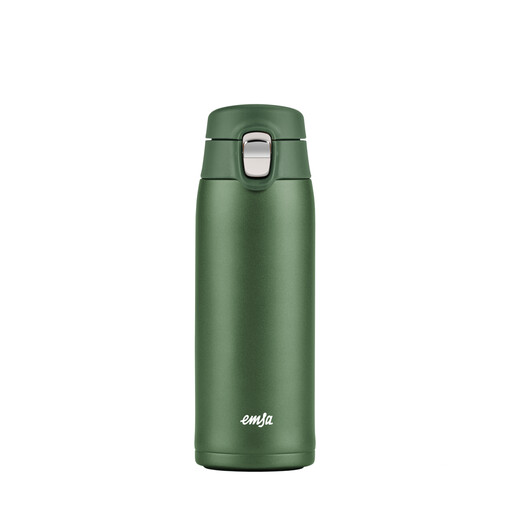
Why this product suits this profile: The 0.4 l thermal mug is slim and designed for coffee or tea on the way to work, school or university.
The flip-top closure is described as leakproof in the product information. The lock should be fully closed before transport.
0.4 l capacity, stainless-steel body, one-handed operation and, according to the product information, heat retention for up to 8 hours and cold retention for up to 16 hours.
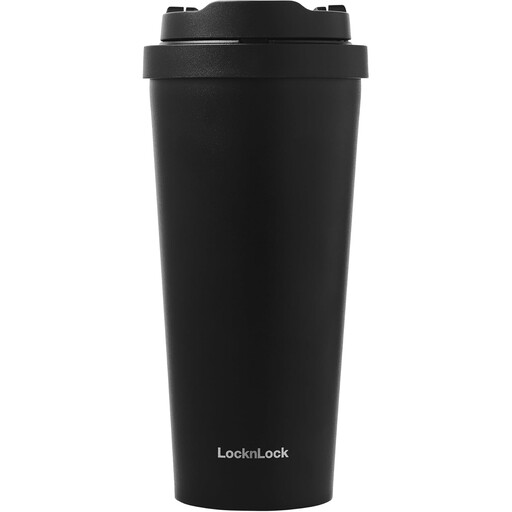
Why this product suits this profile: With a 550 ml capacity, double vacuum insulation and a format designed for standard cup holders, this mug is ideal for commuters and daily journeys to the office.
A one-touch lid with a safety lock and a wide opening address the common problems of accidental opening and difficult cleaning.
STS304 stainless steel, 550 ml capacity, non-slip base and, according to the product information, heat retention for up to 4 hours and cold retention for up to 28 hours.
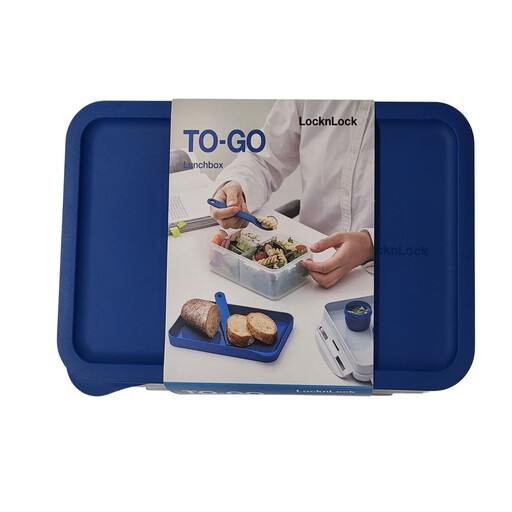
Why this product suits this profile: Three removable compartments, cutlery and a sauce container make portioned meals for work, school and days out easier to organise.
The separate inserts stop dry and moist foods from mixing directly. For microwave use, the lid must be removed completely.
1.0 l total capacity, BPA-free PP and, according to the product information, suitable for the dishwasher, freezer and microwave without the lid.
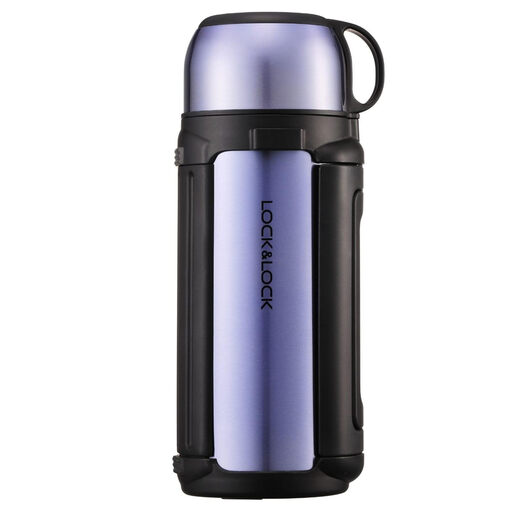
Why this product suits this profile: The large insulated jug is designed for families, camping enthusiasts and groups who want to take several drinks with them.
A screw closure, wide opening and checking the closure before transport help reduce common leakage and cleaning problems.
1.5 l capacity, integrated cup, carrying strap and folding handle; according to the product information, heat and cold retention for up to 24 hours.
Drinkware should ideally be rinsed promptly after every use. Warm water, mild washing-up liquid and a soft brush are suitable for seals and lids. Strong cleaning products and abrasive sponges can damage surfaces and seals.
A stainless-steel lunchbox should be allowed to dry completely before being stored closed. With plastic lunchboxes, check whether the lid, inserts and cutlery can be placed in the dishwasher separately. Damaged seals, cracks or deformation are reasons to stop using the product.
We have put together a complete, regularly updated list of products that fully meet these strict selection criteria and the safety regulations applicable in the EU.
For one serving of coffee or tea, 400 to 550 ml is often sufficient. If you want to drink over several hours, you can choose a drinking bottle with a capacity of 750 ml or more. The container should still fit in your bag or cup holder.
Their service life depends on the material, closure, care and frequency of use. Stainless-steel bodies are durable when treated properly; however, seals and lids may wear out sooner. Regularly checking for cracks, deformation and leaks is advisable.
No. BPA-free describes the material, not its temperature suitability. Buyers should check the manufacturer’s information on microwave, freezer and dishwasher use separately. A lunchbox can often only be heated without its lid.