If you live in a small household, only eat toast occasionally and don’t want to freeze it, you could start your weekly shop with a 250 g pack. If you eat toast regularly, a larger pack that you freeze in portions is another option. And if you need to avoid certain ingredients or allergens, always check the label on the specific pack before considering its size.
Which option might suit you
Smaller households that eat toast occasionally
If one or two people only eat toast now and then, you can compare a 250 g pack with what you expect to use in a week. According to its own product information, Golden Toast offers Butter Toast and Vollkorn Toast in this size. The key thing is whether you’ll finish the opened pack in time.
Households with freezer space
If you eat toast regularly and have room in your freezer, you could freeze a larger pack in portions. The consumer advice centre suggests freezing bread so you can defrost it as needed. The Lower Saxony consumer advice centre notes that freezing can affect its quality.
People with ingredient or allergen requirements
If gluten, wheat or other ingredients affect your choice, check the label on the specific product first. A smaller pack doesn’t make an unsuitable loaf suitable.
What to look for when buying
250 g pack of toast
A good fit if: You only need a few slices a week and don’t plan to freeze any.
Things to consider: The smaller pack still needs to suit how much you actually eat and the type of toast you want.
Larger pack to freeze
A good fit if: You eat toast regularly and have space in the freezer for individual portions.
Things to consider: Freezing in portions takes a little planning. The Lower Saxony consumer advice centre notes that freezing can affect quality.
| What to consider | What to check when buying | Who it matters to |
|---|
| Pack size |
Compare the weight and best-before date with how much you expect to eat. Golden Toast lists both Butter Toast and Vollkorn Toast in 250 g and 500 g packs. |
If I only eat toast occasionally, I want to finish an opened pack before any is left over. Around 40% of consumers prioritise this need for a smaller pack. |
| Ingredients and allergens |
Read the ingredients list, highlighted allergens and any precautionary allergen information on the specific pack. |
If you need to avoid certain ingredients, you’ll first need a product with suitable labelling. For around 20% of consumers, this takes priority over pack size. |
| Wholegrain and nutritional information |
Compare the wholegrain content and fibre in the nutritional information for each variety, and don’t overlook the allergens. |
If toast is a regular part of breakfast or sandwiches, I may care more about its ingredients than the pack weight. Around 20% of consumers prioritise this. |
| Stocking up and freezer space |
Estimate how many slices you’ll need each week and check whether you have room in the freezer for the portions you’ll need. |
If I eat toast regularly, I want to buy enough to keep in stock and defrost only what I need. Around 20% of consumers prioritise having a supply on hand. |
Common shopping and storage mistakes
-
A smaller pack won’t necessarily prevent leftovers
Even 250 g can be too much if you hardly ever eat toast. On the other hand, a household that eats it regularly could freeze a larger pack in portions.
Estimate how much you’ll need for the week before you shop, then decide whether a smaller pack or a supply in the freezer is a better fit.
-
Wholegrain, vegan and gluten-free aren’t the same thing
According to the manufacturer, Golden Toast Vollkorn Toast contains wheat, even though it’s described as vegan and lactose-free. Schär labels Meisterbäckers Classic as gluten-free and wheat-free, but its product information says it contains soya protein and may contain lupin and mustard.
Check the current ingredients and allergen information every time you shop, before choosing a variety or pack size.
-
Storing toast in the fridge as a matter of routine
The consumer advice centre notes that bread goes stale more quickly in the fridge. It does mention an exception for white bread in very warm, humid weather.
As a general rule, store bread at room temperature in a dry, dark place. If you’ll take a while to finish it, consider freezing it in portions.
Brands and ranges to help you choose
Golden Toast
Golden Toast says it offers both Butter Toast and Vollkorn Toast in 250 g and 500 g packs. This lets you compare two pack sizes within each variety.
- These varieties come in different pack sizes to suit occasional and regular toast eaters.
- Both varieties contain wheat. According to the manufacturer, Butter Toast also contains butterfat. Check the ingredients of your chosen variety before buying.
Schär / Meisterbäckers
Schär lists Meisterbäckers Classic as a sliced loaf weighing 330 g in Germany. It may be worth considering if its stated gluten-free and wheat-free properties matter more to you than a 250 g pack of toast.
- Schär labels the product gluten-free, wheat-free and lactose-free.
- According to the product information, it contains soya protein and may contain lupin and mustard. Always check the label on the specific pack.
REWE Beste Wahl
If you do your weekly shop at REWE, you can compare smaller sandwich formats with traditional packs of toast in the range available at your local store.
- REWE’s toast and sandwich bread range also includes 250 g packs of toast from other brands.
- Sandwich bread and sliced toast aren’t the same format. Compare the weight, ingredients and product details of each one individually.
EDEKA / EDEKA Bio
EDEKA24 lists EDEKA Bio Finnisch Toasties at 260 g. Toasties are another option to compare, but they aren’t traditional sliced toast.
- The 260 g pack gives you another option to compare for smaller portions.
- If you’re shopping at a particular branch, check the format, ingredients and range available there.
Small packs of toast at Joybuy
These products come in 85 g portions for when you only need a little toast. They aren’t directly comparable with the traditional 250 g packs featured in the size comparison. In particular, check that the quantity and ingredients suit your weekly shop.
 No image available
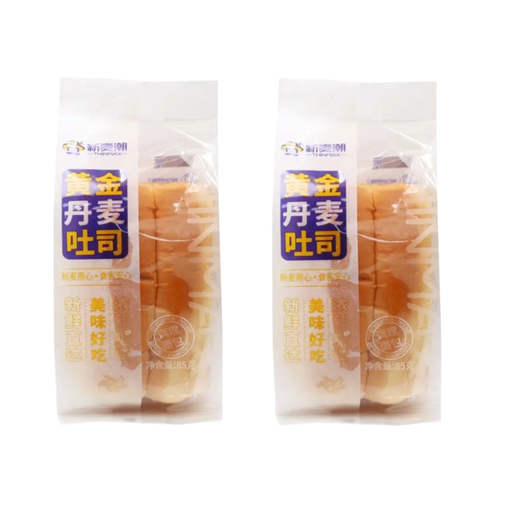
Thinmax Golden Danish Toast, 2 × 85 g
If you only need a little toast, compare the stated total quantity of 2 × 85 g with how much you eat in a week.
If you have allergies, check the label on the specific pack. The product information lists wheat or gluten, milk, egg, soya and sesame.
View at Joybuy
 No image available
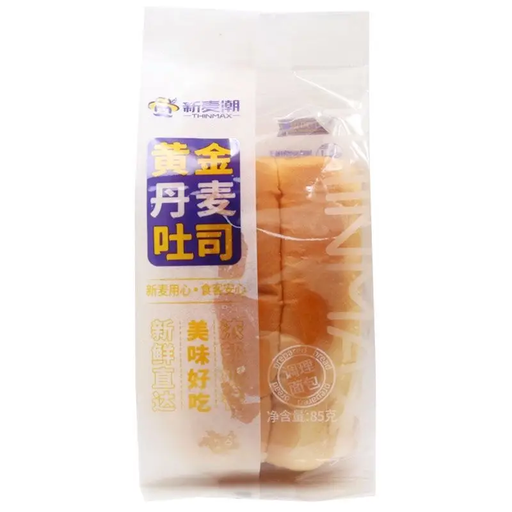
Thinmax Golden Danish Toast, 85 g
The 85 g pack may suit you if you’d rather buy a small amount than stock up on toast.
According to the product information, the contents should be eaten within 24 hours of opening. It also lists wheat or gluten, milk, egg, soya and sesame. If you have allergies, check the specific pack.
View at Joybuy
 No image available
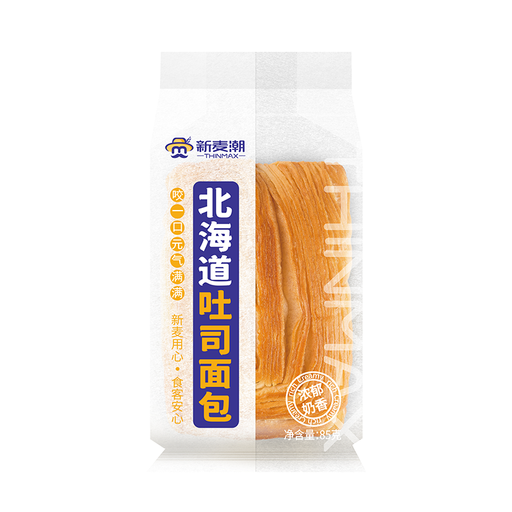
Thinmax Hokkaido Toast Bread, 85 g
The stated 85 g may suit you if you don’t eat much toast. Check the number of slices on the pack too, to see if it’s enough for the meals you have planned.
The product information lists wheat, egg, soya and milk. If you have allergies, the label on the specific pack is what matters.
View at Joybuy
Frequently asked questions
When is a 250 g pack of toast worth buying for your weekly shop?
A 250 g pack is a good option to compare if you only eat toast occasionally and don’t want to freeze it. According to the manufacturer, Golden Toast offers both Butter Toast and Vollkorn Toast in 250 g and 500 g packs. Check which size you’re likely to finish, and read the ingredients and best-before date on the pack.
Should you keep toast in the fridge or the freezer?
If you’re planning to keep some for later, freezing it in portions is one option. The consumer advice centre generally recommends storing bread at room temperature in a dry, dark place, as it goes stale more quickly in the fridge. It does mention an exception for white bread in very warm, humid weather.
Should you throw toast away once it’s past its best-before date?
No. The best-before date doesn’t automatically mean toast is no longer safe to eat immediately afterwards. Check it carefully. If you can see mould, the consumer advice centre says you should throw away the whole loaf.
Is ‘gluten-free’ enough if you have other allergies?
No. ‘Gluten-free’ doesn’t tell you whether the product contains other ingredients that matter to you. Schär labels Meisterbäckers Classic as gluten-free and wheat-free, but its product information lists soya protein and possible traces of lupin and mustard. So always check the current label on the specific pack.


