Households that eat sandwiches regularly
If you’re planning breakfasts, sandwiches and hot toast dishes for several days, pay particular attention to pack size, wholemeal labelling and how you’ll store the bread.


Wholemeal sandwich bread could be a good choice if you regularly make sandwiches. If you need to follow a gluten-free diet, however, check that the specific bread is clearly labelled as gluten-free. Classic toast can also work well for a special breakfast. Don’t choose on the basis of a “premium” impression alone: check the ingredients, allergens and pack size, and think about how much you’ll use over the week.
If you’re planning breakfasts, sandwiches and hot toast dishes for several days, pay particular attention to pack size, wholemeal labelling and how you’ll store the bread.
For French toast or generously filled sandwiches, the shape of the bread, its ingredients and the amount you actually need all matter.
Look for clear gluten-free labelling first. Then check the ingredients and allergen information on the specific product.
Start by deciding what you’ll mainly use the bread for. You can then compare the labelling and pack size against your needs.
| What to consider | What to check | Who it matters to |
|---|---|---|
| Wholemeal bread for sandwiches | Look for the term “wholemeal” and compare the fibre per 100 g across products. Wholemeal wheat toast is not gluten-free. | If I regularly plan to make sandwiches, I want to be able to judge the wholemeal content from the labelling. This is the top priority for around 29% of consumers. |
| Special meals | Think about whether the shape of the slices and the ingredients suit the sweet or savoury dishes you have planned. Don’t choose a pack based on its appearance alone. | For a special breakfast or hot toast dishes, I want bread that suits the way I plan to prepare it. Around 29% of consumers put this need first. |
| Gluten-free options | Check for clear gluten-free labelling, along with the ingredients and allergen information on the specific pack. | If I need to shop gluten-free, the type of bread alone isn’t enough to help me decide. Around 21% of consumers prioritise this need. |
| Stocking up and freshness | Match the pack size to how much you’ll use during the week, and check how the product should be stored and used once opened. | If I regularly have slices left over, I want to open only what I can use in time. This kind of planning is a priority for around 21% of consumers. |
Colour alone doesn’t prove that a bread is wholemeal. The German Nutrition Society points to the term “wholemeal” as the key indication.
Check the product name, then compare the ingredients and fibre information per 100 g.
A large quantity isn’t much use if the slices go stale or spoil before you can eat them. The Verbraucherzentrale recommends planning your bread purchases around how you’ll store and use them.
Choose a pack size that suits your needs and, if necessary, freeze any extra slices in portions.
Bread labelled gluten-free may contain other ingredients or carry warnings about traces. Schär says Meisterbäckers Classic may contain traces of lupin and mustard.
Read the full ingredients and allergen information on every pack rather than relying only on the labelling on the front.
The word doesn’t tell you whether a bread is right for your sandwiches, dietary requirements or weekly consumption.
Compare the features that matter for the meals you have planned, such as ingredients, wholemeal labelling, allergens and pack size.
Meisterbäckers Classic is sliced bread labelled gluten-free, suitable for sweet or savoury toppings. It isn’t ordinary wheat toast.
ja! Wholemeal Wheat Sandwich is a packaged sandwich loaf containing 750 g.
According to EDEKA, its American Style wholemeal sandwich bread is suitable for sandwiches and toasting.
The in-store bakery range could be another option if you don’t specifically need toast bread for a special meal.
This selection includes a Danish toast for planned toast meals, plus a wholemeal bread that could be an alternative for filled, toasted slices. The wholemeal bread isn’t labelled as toast bread.
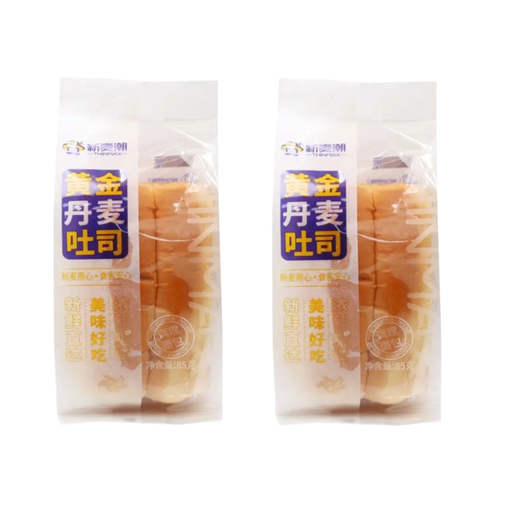 No image available
An option for toast dishes or sandwiches if a small amount suits your weekly meal plan.
The stated pack size is 85g x2. Check the ingredients and allergen information on the pack before buying.
Use within 24 hours of opening.
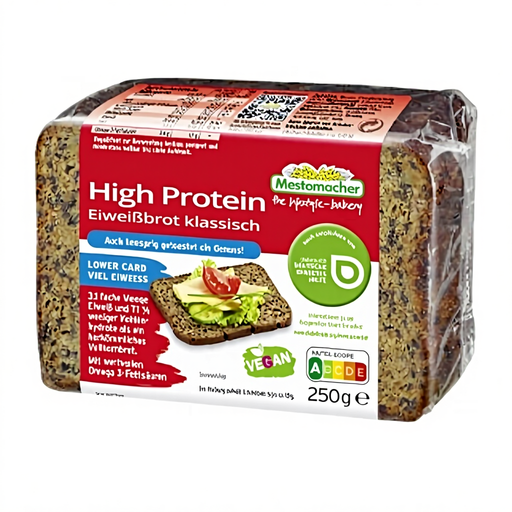 No image available
For filled or toasted slices, if you’re open to wholemeal bread as an alternative to classic toast bread.
The pack contains 250g. Check the ingredients and allergen information on the pack, especially if you need gluten-free products.
Use within five days of opening.
Look for clear gluten-free labelling on the specific product, and check the ingredients and allergen information too. Schär labels Meisterbäckers Classic as gluten-free, but notes that it may contain traces of lupin and mustard. Poensgen toast bread, sold by REWE, lists sweet lupin flour as an ingredient.
No. Wholemeal toast is a good fit if you’re specifically looking for bread labelled as wholemeal for regular meals. Wholemeal wheat toast isn’t a gluten-free alternative. For specific products, compare the ingredients, allergen information and nutritional values per 100 g.
Choose a pack size that matches how much you plan to use, and follow the product’s storage instructions. The Verbraucherzentrale recommends storing bread at room temperature in a dry place away from light. You can freeze any slices you won’t need straight away in portions. If you see mould on bread, throw the whole loaf away.