Households comparing pack sizes
If you only need a few slices for Sunday coffee, the type of bread isn’t the only thing to consider. Think about whether you can use up the pack in time or freeze some portions.


For a budget-conscious Sunday coffee, choose bread to suit your planned toppings and a pack size you can use up. If you want wholemeal, look for an explicit wholemeal label. Also check the ingredients, allergens and storage instructions on the specific pack.
If you only need a few slices for Sunday coffee, the type of bread isn’t the only thing to consider. Think about whether you can use up the pack in time or freeze some portions.
If you specifically want wholemeal, check the product description and nutrition information. REWE declares that its ja! Weizenvollkornsandwich contains 66% wholemeal wheat flour and 7.7 g of fibre per 100 g.
If you won’t use up a pack soon, you can freeze individual portions. The North Rhine-Westphalia Consumer Advice Centre also recommends this as an option for pre-sliced packaged bread.
First decide whether you want wheat sandwich bread, butter toast or toast explicitly labelled as wholemeal. Then match the pack size to what you’ll need for your coffee spread.
| What matters | What to check when buying | Who it matters most to |
|---|---|---|
| Pack size that suits your needs | Pack weight and how much you plan to use; if buying a larger pack, check whether you can freeze some portions. | If I’m only serving a few slices, I don’t want to be left storing a large amount. Around 33% of consumers prioritise finding a pack size that suits their needs. |
| Wholemeal and fibre | The explicit wholemeal label and the fibre content per 100 g. | For my coffee spread, I’m specifically looking for a wholemeal option rather than classic wheat sandwich bread. This bread choice matters most to around 27% of consumers. |
| Type of bread and toppings | Whether wheat sandwich bread, butter toast or wholemeal toast suits your planned toppings; check the ingredients if you want a recipe made with butter. | I want to choose bread to go with the sweet or savoury toppings I’m planning to serve. Around 20% of consumers focus primarily on this combination. |
| Ingredients and storage | Allergens in the ingredients list, storage instructions and how soon to use the pack once opened. | If I need to take ingredients into account for my coffee gathering and avoid leftovers, I want to check both before buying. This is a key consideration for around 20% of consumers. |
Colour and visible grains alone don’t tell you whether bread is wholemeal.
Look for the explicit “wholemeal” label and, if needed, compare the fibre content per 100 g.
Ingredients vary from one recipe to another. For example, REWE lists anhydrous butterfat in its ja! Butter-Toastbrot and lupin flour in its ja! Weizenvollkornsandwich.
Before you buy, read the ingredients list and check the allergens highlighted on the specific pack.
If you have lots of slices left after your coffee gathering, you’ll need to store them properly.
Plan how much you’ll use and freeze any slices you won’t need soon in individual portions. Bread with visible mould must not be eaten.
Lidl’s Grafschafter range includes American Style Sandwich Weizen, Butter Toast and Vollkorn Toast.
REWE’s ja! range includes Butter-Toastbrot, American Sandwich and Weizenvollkornsandwich.
The range includes Bio Weizen Vollkorn Toastbrot; EDEKA24 stocks it in a 400-g pack.
RUF stocks Mestemacher High Protein Toastbrötchen in its own range.
EDEKA24 stocks bread and rolls, including Mestemacher Bio Weizen Vollkorn Toastbrot.
These toast options may suit a coffee spread where you need a smaller pack or more than one pack. For each sliced bread option, check the cut style explicitly.
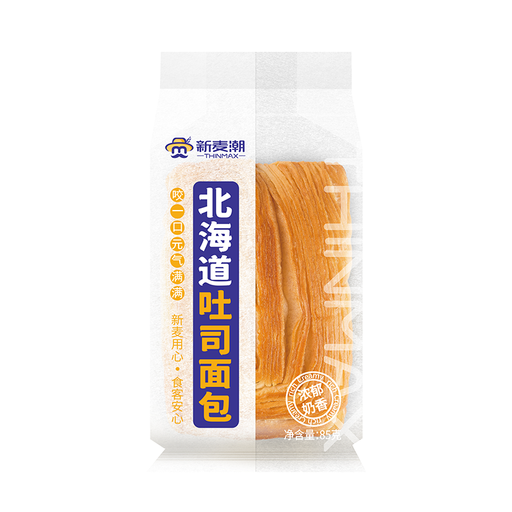 Image unavailable
The 85-g option could suit you if you’re looking for a small pack for your coffee spread.
Check the specific pack to see whether the bread is pre-sliced and which allergens are listed.
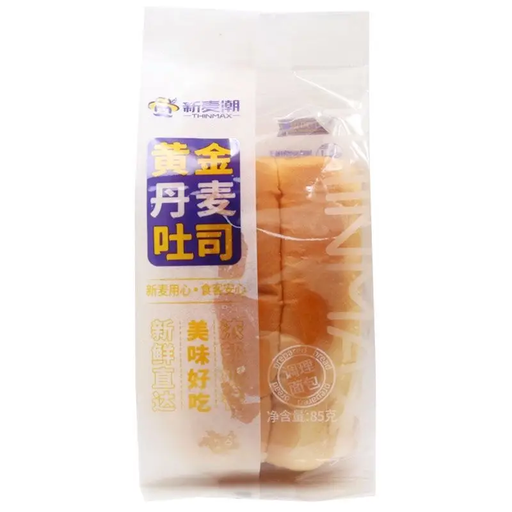 Image unavailable
If you’d like a small amount of the Golden Danish variety, this pack contains 85 g.
Before serving, check the cut style, ingredients and instructions on how soon to use the bread after opening.
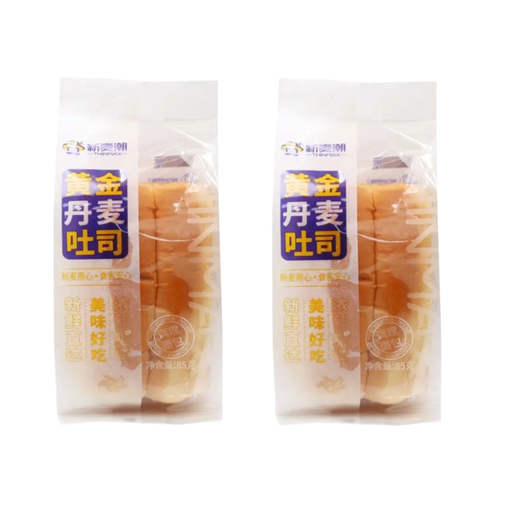 Image unavailable
The 85 g x2 option is worth considering if you need more than one 85-g pack.
Also check whether the bread is pre-sliced and how to store each pack after opening.
Choose an amount you expect to use, or plan to freeze any leftover slices in portions. Compare the pack weight with what you need rather than focusing only on the pack size.
Look for the explicit “wholemeal” label. According to the German Nutrition Society, a dark colour or visible grains alone aren’t enough to identify wholemeal bread.
Yes. Read the ingredients list and check the allergens highlighted on the specific pack. Recipes vary: for example, REWE lists anhydrous butterfat in its ja! Butter-Toastbrot and lupin flour in its ja! Weizenvollkornsandwich.
According to the North Rhine-Westphalia Consumer Advice Centre, pre-sliced packaged bread can be stored in its original packaging; slices you won’t need soon can be frozen in portions. Also follow the storage instructions on the pack, and don’t eat bread with visible mould.
No. The best-before date isn’t an automatic ‘throw it away’ date. Check the smell, colour and texture. If you can see mould, don’t eat the bread.