If you only have toast for breakfast occasionally, a small pack makes it easier to plan how many slices you need to use once it’s been opened. Whether wholemeal toast, buttered toast or bread explicitly labelled gluten-free is right for you depends on your needs. A larger pack is still an option if you can freeze any leftover slices in portions in good time. As well as pack weight, check the ingredients, nutritional information and storage instructions.
Who might prefer smaller packs?
Smaller households that only eat toast occasionally
If toast is only on the breakfast table some days, it’s important to know how long an opened pack will keep. For Harry wholemeal toast in the 250-g format, REWE’s product information says to use it within three days of opening.
Breakfast lovers who prefer wholemeal
If you want to toast a slice quickly in the morning and are specifically looking for wholemeal, compare the ingredients and fibre per 100 g. A dark colour alone isn’t a reliable indicator of wholemeal content.
People who shop gluten-free
If you need gluten-free bread, first check that the specific pack is explicitly labelled as such. With gluten-free bread, you should also check for any other ingredients and allergen information relevant to you.
What should you look for when buying?
First, choose a type of bread that suits your needs. Then decide whether a small pack suits your breakfast habits, or whether it would be more practical to freeze portions from a larger pack.
Small pack of toast
A good choice if: You only need a few slices and want to choose between wholemeal and buttered toast.
Things to consider: A small quantity doesn’t mean you can ignore how long it keeps. REWE lists Harry wholemeal toast at 250 g and Golden Toast buttered toast at 250 g; both contain wheat.
Small loaf of gluten-free bread
A good choice if: You need a bread alternative that is explicitly labelled gluten-free.
Things to consider: The 250-g Schär Landbrot Mehrkorn listed by REWE isn’t a classic toast bread. Other allergen information is still important.
Freeze portions from a larger pack
A good choice if: The variety you want is only available in a larger pack and you have space in your freezer.
Things to consider: You’ll need to portion and wrap the slices in good time, and remember to defrost them for breakfast.
| Criteria |
What to check when buying |
Who it matters to |
| Pack size and how quickly you’ll use it |
Compare the weight, number of slices and guidance for after opening with how much you usually eat. |
If I only eat toast a few days a week, I don’t want an opened pack sitting around with slices going to waste. Around 36% of consumers prioritise this. |
| Quick breakfast |
Check whether the slice size and portion you need work for breakfast without extra preparation. |
I want a portion ready to toast or top quickly in the morning. Around 29% of consumers prioritise this simple routine. |
| Wholemeal and nutritional information |
Look for the wholemeal description and compare the fibre per 100 g in the nutritional information. |
I want to choose wholemeal toast rather than buttered toast and compare the fibre information. Around 21% of consumers put this first. |
| Gluten-free and allergens |
Read the explicit gluten-free label, ingredients and allergen information on the specific pack. |
I need bread labelled gluten-free for my breakfast, and I mustn’t overlook any other ingredients that matter to me. This is a priority for around 14% of consumers. |
Which mistakes can you avoid?
-
Assuming a dark colour means it’s wholemeal
The German Nutrition Society points out that colour isn’t a reliable indicator of wholemeal content.
Check the wholemeal description and ingredients list. To compare nutritional values, use the figures per 100 g.
-
Leaving even a small pack open for too long
A smaller quantity only helps if you actually eat the slices within the stated time or freeze them in good time.
Before buying, think roughly about your breakfasts over the next few days and follow the storage instructions on the pack you choose.
-
Removing just one slice if you spot mould
According to the Verbraucherzentrale, mould can spread further through the bread than is visible on the surface.
Throw away the whole loaf if it’s mouldy, then clean your bread bin or bread box.
-
Assuming gluten-free means free from all allergens
The gluten-free label doesn’t tell you whether the bread contains other ingredients that may matter to you.
Check the current ingredients list and information about allergens and possible traces for every variety.
Useful brands to consider
The following product ranges show some of the options available in smaller bread packs. The brand alone won’t tell you the pack size or whether a particular variety is suitable for you.
Harry
REWE lists Harry wholemeal toast in a 250-g pack.
- For this wholemeal toast, REWE lists 10 portions and 6 g of fibre per 100 g.
- The toast contains wheat. According to the product information, the pack should be used within three days of opening.
Golden Toast
REWE also lists Golden Toast buttered toast in a 250-g format.
- The small pack is a buttered toast option for households with lower consumption.
- This variety contains wheat and butterfat. REWE lists 2.9 g of fibre per 100 g, compared with 6 g per 100 g for Harry wholemeal toast.
Schär
REWE lists Schär Landbrot Mehrkorn as a 250-g pack of bread labelled gluten-free.
- The 250-g loaf is a smaller-pack option for people looking for bread explicitly labelled gluten-free.
- Landbrot isn’t a classic toast variety. For other allergies, check the information on the specific pack.
ja!
REWE’s own-label brand ja! offers toast products you can compare by pack size.
- REWE stocks the brand’s toast products in 500-g and 750-g formats.
- For a smaller household, it’s worth considering whether you can freeze any leftover slices in good time when buying these sizes.
Joybuy products for smaller breakfast portions
This selection includes three Thinmax toast products in 85 g and 2 × 85 g sizes. If you’re specifically looking for 250-g wholemeal toast or bread labelled gluten-free, don’t assume it meets those requirements just because the pack is small.
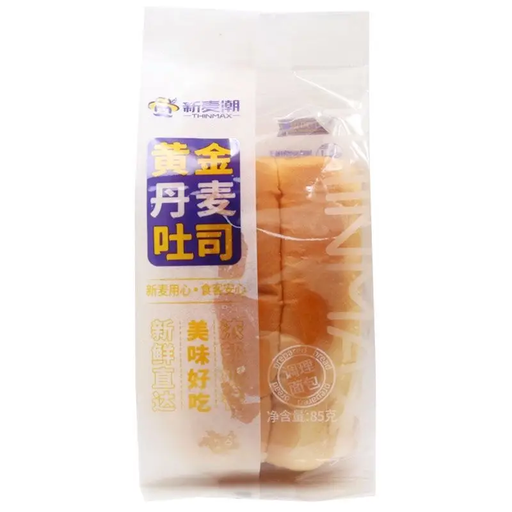 No image available
Thinmax Golden Danish Toast 85 g
The 85-g pack may suit you if you only need a small amount of toast for a quick breakfast.
Before buying, check the portion size, ingredients and guidance on the pack for after opening.
View at Joybuy
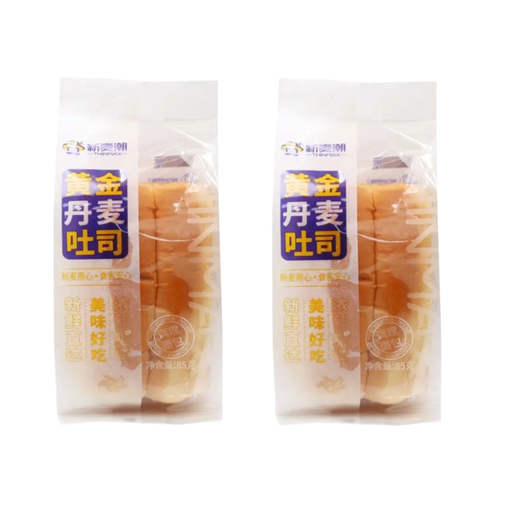 No image available
Thinmax Golden Danish Toast 2 × 85 g
The pack with two 85-g portions may suit you if you’re planning toast for more than one breakfast.
The total quantity is 170 g. Check how the portions are packed and what storage instructions apply after opening.
View at Joybuy
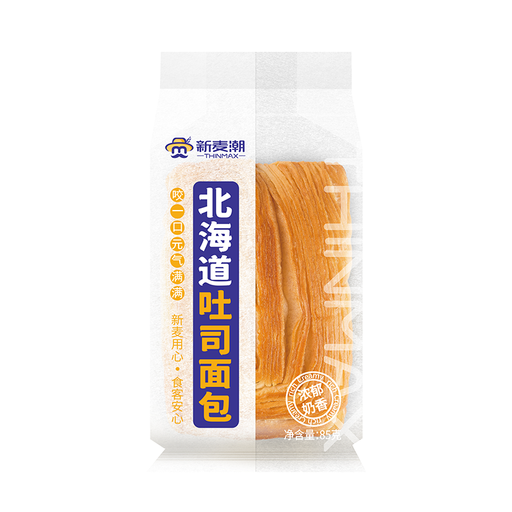 No image available
Thinmax Hokkaido Toast Bread 85 g
The 85-g pack is another option if you’re looking for a small amount of toast for breakfast.
If you want to compare sugar content, check the current nutritional information and ingredients list on the specific pack.
View at Joybuy
Frequently asked questions
When is a 250-g pack a better choice than a larger pack of toast?
A 250-g pack is easier to plan around if you only eat toast occasionally and would otherwise leave a larger opened pack sitting around. Check the guidance for the variety you choose: REWE says to use Harry wholemeal toast within three days of opening. With a larger pack, freezing portions in good time could be an alternative.
How should I store opened toast bread?
Store opened toast bread as instructed on the pack and use it in good time. The Verbraucherzentrale recommends storing bread at room temperature as a general rule. If you see mould, throw away the whole loaf.
How can I tell if toast is wholemeal?
Look for the wholemeal description and check the ingredients list; don’t rely on a dark colour alone. To compare two varieties, also check the fibre per 100 g in the nutritional information.
Is bread without wheat in the ingredients list enough if I need a gluten-free option?
No. If you specifically need gluten-free bread, start by checking that the particular pack is labelled gluten-free. Also check for any other ingredients and allergen information relevant to you; gluten-free doesn’t mean free from all allergens.


