Classic butter toast is a good option for a Sunday breakfast with a mix of sweet and savoury toppings, provided its ingredients and allergens are suitable for your household. If wholemeal and fibre are your priorities, compare toast breads with clear wholemeal labelling. If you’re buying gluten-free, check the pack for an explicit gluten-free label and details of any other allergens. Check the individual product to see whether it has the medium-thin slices you’re looking for.
Which bread is right for you?
Households with a mix of breakfast toppings
If you sometimes serve jam and sometimes cheese or eggs, slice size and pack size matter alongside the flavour you want. When buying butter toast, it’s worth checking the ingredients: the products described by REWE and EDEKA differ in the allergens listed, among other things.
Shoppers looking for wholemeal and fibre
If these details are important to your choice, the ingredients list and nutritional information are more useful than the bread’s colour. REWE states that Harry wholemeal toast contains 90% wholemeal flour in its grain content, and lists 6 g of fibre per 100 g for this product. These figures apply to the product named, not to wholemeal toast in general.
Households buying gluten-free
Here, the labelling on the specific pack matters more than whether the bread is described as toast or sliced bread. Schär labels Meisterbäckers Classic as gluten-free. According to the product information, it contains soya protein and may contain traces of lupin and mustard.
What should you look for when buying?
First decide what you need your breakfast bread to offer: suitable ingredients, a particular wholemeal content or an explicit gluten-free label. Then compare the slice and pack sizes with how much you expect to use.
| Criteria |
What to check |
Who it matters most to |
| Toppings and flavour |
Type of bread, ingredients and actual slice size. |
If I want to serve sweet and savoury toppings, I’ll choose a bread whose flavour and slice size work well with both. Around 33% of shoppers put this suitability for different toppings first. |
| Wholemeal and fibre |
Wholemeal content in the grain ingredients and fibre per 100 g. |
If the ingredients matter more to me than the type of topping, I’ll compare the information on the packs. For around 25% of shoppers, wholemeal content is a priority because of its fibre. |
| Gluten and other allergens |
Explicit “gluten-free” labelling, ingredients and precautionary allergen statements for the chosen product. |
I need a gluten-free option and must also consider other ingredients. This is the main priority for around 17% of shoppers. |
| Pack size and storage |
Pack weight, how much you plan to use and storage instructions. |
For a single breakfast, I don’t want to open more bread than we’re likely to use. The right quantity is the most important criterion for around 25% of shoppers. |
Common selection mistakes
-
Assuming butter toast is gluten-free or allergen-free
The butter toasts described by REWE and EDEKA contain wheat; depending on the product, milk and other allergens may also be relevant. The word “toast” tells you nothing about whether a product is suitable for a gluten-free diet.
If you have specific dietary requirements, check for an explicit label and read the ingredients and precautionary allergen statements on the current pack.
-
Judging slice thickness from the product photo
A photo or brand name won’t reliably tell you whether the bread is “medium-thin sliced”. This can be an important detail, especially if you want a particular slice size for your toaster or toppings.
Look for specific information on the pack or check the slices and slice count on the product instead of assuming all bread is cut to the same thickness.
-
Choosing a pack based only on what you need for breakfast
If you have lots of slices left after a single breakfast, you’ll need to store them properly or use them soon. The Verbraucherzentrale Nordrhein-Westfalen (North Rhine-Westphalia Consumer Advice Centre) suggests freezing bread in portions if you won’t be eating it soon.
Choose a quantity that suits your household and decide what to do with any leftover slices before opening the pack.
Otherwise, some of the bread may dry out or go off before you get to eat it.
-
Thinking wholemeal alone tells you everything about quality
A stated wholemeal content doesn’t tell you about other allergens, or the taste, salt content or slice thickness of a particular toast bread.
As well as wholemeal content and fibre, compare the ingredients, allergens and any other nutritional information that matters to you.
Brands and product ranges to consider
The details below relate to specific documented products or product ranges. Check the pack you choose for the slice thickness and labelling that apply to your purchase.
REWE Beste Wahl
REWE describes a butter toast for classic toast dishes.
- REWE states that its REWE Beste Wahl Buttertoast contains 3.5% butterfat. The listed ingredients include wheat and lupin flour.
- The product name doesn’t specify a medium-thin slice thickness, so check the pack you choose.
GUT&GÜNSTIG / EDEKA
EDEKA lists a wheat butter toast in a 500-g pack without end slices.
- EDEKA states that this butter toast contains 3.4% butter.
- The product contains wheat and milk. Check the pack you choose for other precautionary allergen statements and slice thickness.
Schär
Schär sells Meisterbäckers Classic as gluten-free sliced bread.
- Schär states that Meisterbäckers Classic is gluten-free and lactose-free.
- According to the product information, it contains soya protein and may contain traces of lupin and mustard. It shouldn’t be assumed to have a particular medium-thin toast slice thickness.
Lidl / Unser Brot
Lidl describes a range of fresh baked goods under “Unser Brot”, including spelt, multigrain and sourdough products.
- The range could be a good starting point if you want to explore different types of bread while shopping.
- For a specific packaged toast, you can only check the slice thickness, ingredients and allergens on its own labelling.
Golden Toast
Golden Toast describes a butter toast for shoppers specifically looking for this type of bread.
- The manufacturer states that its Butter Toast contains 2.7% butterfat, equivalent to 3.3% butter.
- This doesn’t tell you whether the slices are a consistent medium-thin thickness. The ingredients and precautionary allergen statements on the pack are also important when choosing.
Joybuy products for breakfast
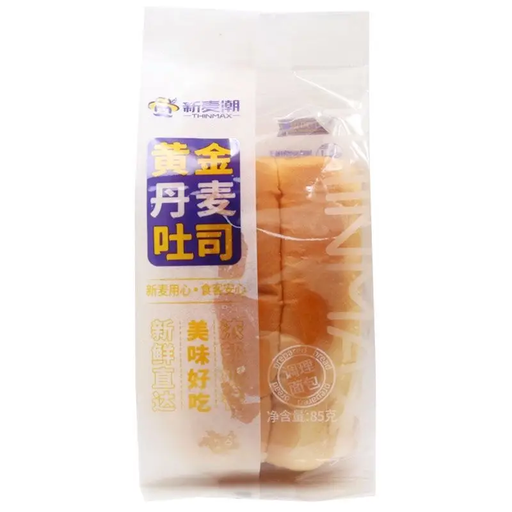
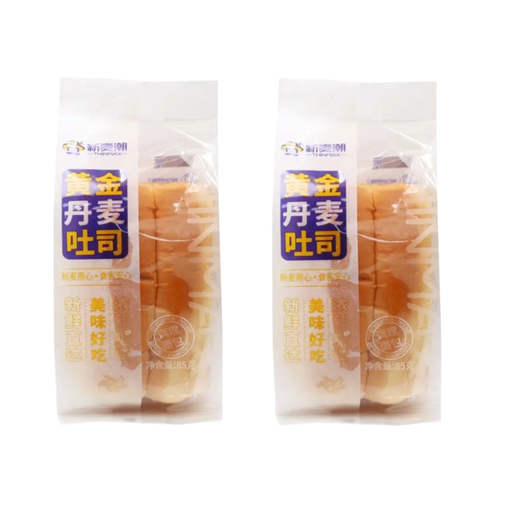
These two Thinmax pack options are described as toast for breakfast or sandwiches. Choose the quantity to suit how much you’ll use. If you’re looking for a specific medium-thin slice thickness, check the product information before buying.
 No image available
Thinmax Golden Danish Toast 85g
An 85g pack if you’re looking for a smaller quantity of toast for breakfast. Check the slice thickness, ingredients and allergens on the pack you choose.
View at Joybuy
 No image available
Thinmax Golden Danish Toast 85g x2
Two 85g packs if you need more of this toast for breakfast. Make sure the quantity suits how much you’ll use, and check the slice thickness, ingredients and allergens on the pack you choose.
View at Joybuy
Frequently asked questions
Do I need to check the allergens in packaged toast bread?
Yes, particularly if anyone in your household needs to avoid certain ingredients. The Federal Ministry of Agriculture, Food and Home Affairs explains the labelling requirements for the 14 most common causes of allergies and intolerances. The pack itself shows which ingredients and precautionary allergen statements are relevant.
Is the product name enough to identify gluten-free bread?
No. Look for an explicit “gluten-free” label on the product you choose, and check for other allergens too. Schär labels Meisterbäckers Classic as gluten-free; however, according to the product information, it contains soya protein and may contain traces of lupin and mustard.
How should I store leftover toast bread after breakfast?
According to the Verbraucherzentrale Nordrhein-Westfalen (North Rhine-Westphalia Consumer Advice Centre), packaged sliced bread can be kept in its original packaging. Slices you won’t use soon can be frozen in portions. If you see mould, discard all the affected bread.


