
Lieferung heute & morgen

Qualitätsgarantie

Willkommens-Angebote freischalten: KOSTENLOSE Lieferung | Bis zu 80 % RABATT | Kostenlose 30-Tage-JoyPlus-Testphase
App herunterladen
A toaster might seem like a simple kitchen appliance, but the market is vast, and the differences in quality and function are significant. Many models lure you in with marketing promises that fail to deliver in real-world use. The result: unevenly browned toast, burnt edges, or an appliance that stops working correctly after just a few months. This guide will help you avoid common purchasing pitfalls and find a model that meets your standards for function, durability, and design.
Before you decide on a model, you should be aware of the typical weaknesses that often only become apparent during daily use.
To avoid a bad purchase, you should focus on objective features that determine a toaster's performance and longevity.
The first decision relates to your household size. For singles or couples, a 2-slice toaster is usually sufficient. Families or shared apartments benefit from a 4-slice toaster, which speeds up the breakfast routine.
However, don't just pay attention to the number of slots, but also their type:
The material affects not only the appearance but also the durability and safety. A stainless steel toaster is generally more robust and easier to clean than plastic models. A heat-insulated ("cool-touch") housing prevents burns on the exterior.
The following additional features offer real value:
Here are some models that represent a considered choice for different user profiles based on their objective features.
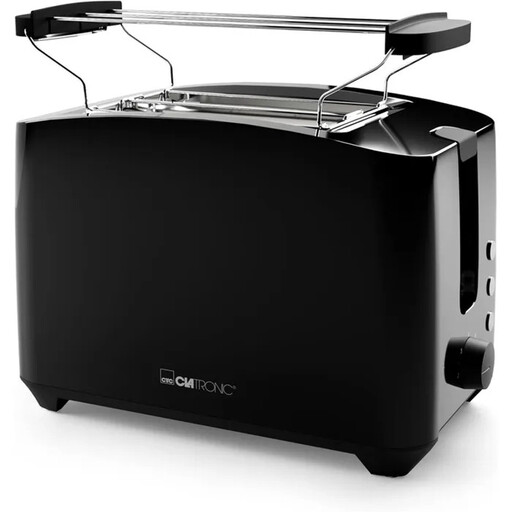
Why This Fits Their Persona: This model is ideal for anyone looking for a reliable, basic appliance without unnecessary bells and whistles. It's suitable for small households and offers the essential functions for daily use.
The self-centering mechanism ensures more even browning than many other devices in this price range. The integrated warming rack avoids the trap of limited versatility.
A continuously adjustable browning level, defrost and reheat functions, and a crumb tray provide a solid feature set. The cool-touch housing enhances safety.
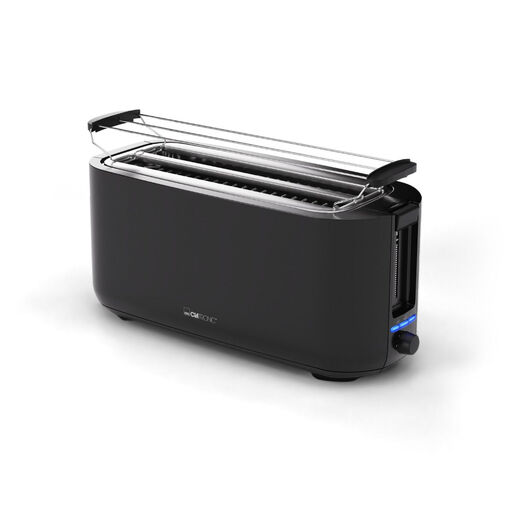
Why This Fits Their Persona: Ideal for families or anyone who needs to quickly prepare multiple slices of toast or different types of bread in the morning. The long-slot design offers maximum flexibility.
As a long-slot toaster, it bypasses the pitfall of impractical slot sizes. It can accommodate up to four slices of standard toast or two long slices of artisan bread, making it extremely versatile.
Offers space for four slices, features a removable warming rack, and includes defrost and reheat functions. The heat-insulated housing provides extra safety in a busy family household.
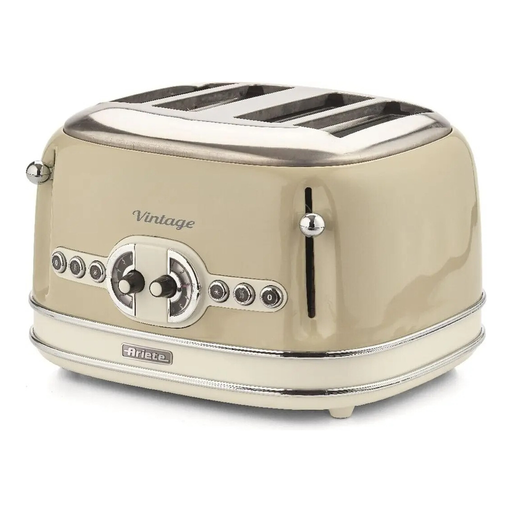
Why This Fits Their Persona: For anyone who wants to enhance their kitchen with a stylish statement piece. This retro toaster combines an appealing vintage design with the capacity and features of a modern appliance.
This model proves that design doesn't have to come at the expense of functionality. With four slots and separate controls for each pair, it offers high flexibility and avoids the trap of being purely for looks with no practical benefit.
Four slots with independent controls, six browning levels, and a defrost function. The removable crumb tray and integrated cord storage keep things tidy.
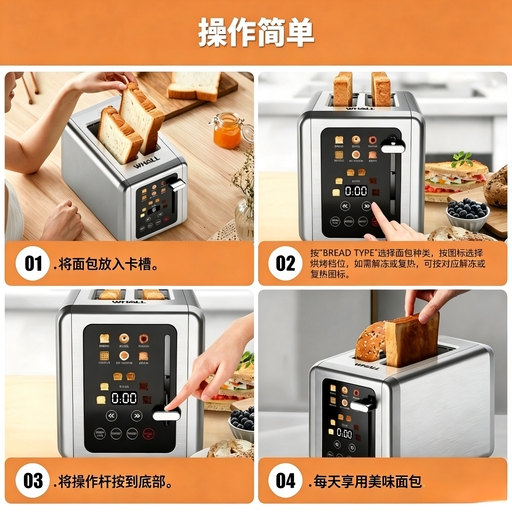
Why This Fits Their Persona: Perfect for users who appreciate precision and modern technology. The digital touchscreen allows for exact control and offers preset programs for different types of bread.
The combination of six bread type modes and six browning levels combats the trap of uneven browning through precise, customizable heating cycles. The 1.5-inch (approx. 3.8 cm) wide slots also offer high versatility.
HD color display with a countdown timer, memory function, and special modes for bagels, waffles, and gluten-free bread. The brushed stainless steel housing is durable and stylish.
We've compiled a complete, up-to-date list of products that fully meet these strict selection criteria and local safety regulations.
How long does a good toaster last? The lifespan of a toaster depends heavily on its build quality and frequency of use. Models made from robust materials like stainless steel with solid mechanical parts often last five to seven years or longer with regular maintenance. Cheaper plastic models may need to be replaced after just two to three years.
How do you clean a toaster correctly and safely? Always unplug the appliance and let it cool down completely before cleaning. Empty the crumb tray regularly, ideally after each use. Wipe the outer casing with a slightly damp cloth. Never immerse the toaster in water and do not use metal objects to remove jammed slices of bread.
Do I really need a defrost function? A toaster with a defrost function is particularly useful if you regularly freeze bread to keep it fresh longer. The function automatically extends the toasting cycle to gently thaw the frozen slice first and then brown it evenly. This prevents the toast from burning on the outside while it is still cold or frozen on the inside.