Fans of thick bread slices
If you toast thick-cut bread, check the maximum slot depth first, followed by the slot length. CHIP measured the slot depths of some individual models; these figures don’t automatically apply to other toasters.


Measure the thickness and length of your usual bread slices, as well as the available worktop space, before choosing a toaster. A wide two-slot toaster may suit shorter, thick slices, while a long-slot model may work for longer bread. What matters, though, is the size of the specific appliance and the space in your kitchen.
If you toast thick-cut bread, check the maximum slot depth first, followed by the slot length. CHIP measured the slot depths of some individual models; these figures don’t automatically apply to other toasters.
Compare the appliance’s external dimensions with the space you have available and the distance to the socket. A long-slot toaster may be narrow but take up more length; ETM TESTMAGAZIN describes two-slot and long-slot toasters as different designs for different types of bread slice.
If you toast longer or frozen slices as well as standard toast, check that the slot dimensions and functions suit your needs. TÜV SÜD recommends considering the types of bread you usually eat and how many slices you need to toast at once before buying.
Measure your bread and the space available first. Then compare the slot dimensions and the external measurements of the specific model, rather than relying on descriptions such as “wide” or “XXL”.
| What matters | What to check when buying | Who it matters most to |
|---|---|---|
| Bread thickness and shape | Measure the thickness and length of the slice separately, then compare both measurements with the model’s slot dimensions. | If I toast thick or long slices, I want to be sure they’ll fit; around 32% of consumers put slice capacity first. |
| Worktop space and positioning | Measure the available space and cable route; check the appliance’s width and depth against its external dimensions. | If my worktop space is limited, I need an appliance that fits in the intended spot, cable and all; around 32% of consumers prioritise the space required. |
| A safe place to use it | Check the manufacturer’s setup instructions and make sure the controls and stop button are easy to reach where you plan to place it. | If I need to place the toaster close to other items, I take extra care to choose a suitable spot and handle hot surfaces carefully; around 18% of consumers prioritise this. |
| Easy cleaning | Check whether the crumb tray can be removed and which side it’s accessible from. | If I use my toaster regularly, I want to remove crumbs without having to move things around; around 12% of consumers put cleaning first. |
| Defrosting and other types of bread | Choose defrost or other functions to suit your breakfast routine, and check the slot dimensions for the types of bread you use. | If I often prepare frozen bread, bagels or bread rolls, I look specifically for the functions I need; around 6% of consumers prioritise this extra versatility. |
Slot length and slot depth are two different measurements. A long slot may fit longer slices, but that doesn’t mean it will accommodate the right thickness.
Measure both dimensions of the slices you usually eat and compare them with the specifications for the specific model.
A narrow, long-slot toaster can take up a lot of worktop length. The cable route and access to the controls must also suit the space you have in mind.
Compare the appliance’s width and depth with the space actually available and the distance to the socket.
A test rating doesn’t automatically mean that every thick or long bread slice will fit in the toasting chamber. For some models, CHIP gives specific slot measurements and notes limitations when toasting large slices.
Use test results as an extra guide, but still check the dimensions of your bread and the toasting chamber.
The range includes compact two-slot and long-slot models to suit different types of bread slice.
According to WMF, the KÜCHENminis Long Slot Toaster is designed for two XXL slices of toast or one extra-long slice. The Bueno Edition is a separate two-slot model.
The AT 2621 and AT 2509 long-slot models may suit households that want to toast several slices at once.
The TAT5P425DE is a two-slot model for which Bosch provides the external dimensions.
The TO62 is a compact two-slot toaster.
This selection includes compact two-slot and long-slot models with wide or deep slots. Check the dimensions of the specific model before choosing it for particularly thick or long slices.
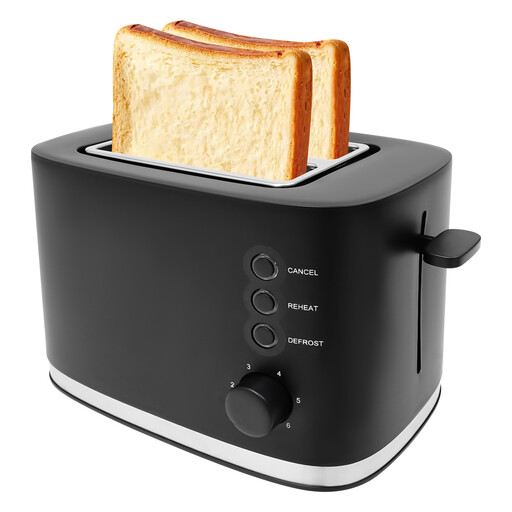 No image available
The wide slots make this model an option for thicker slices; before buying, compare the actual thickness of your bread slices with the product specifications.
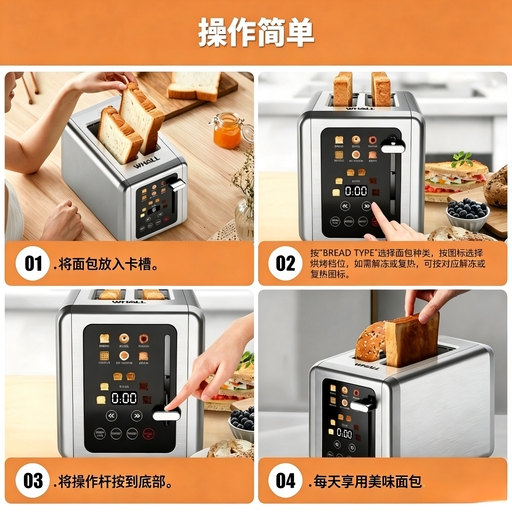 No image available
The stated slot width may be useful for thicker slices; compare it with your bread and check its length as well.
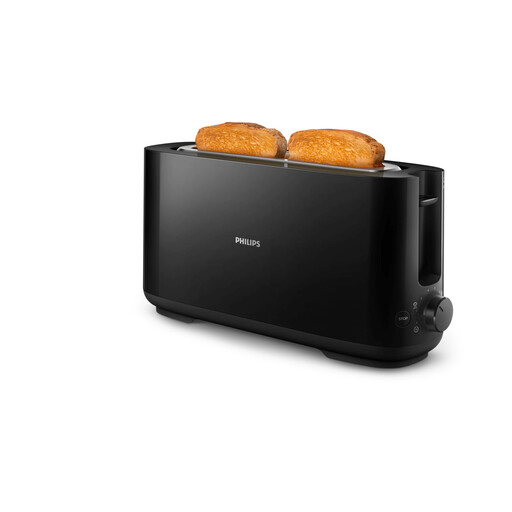 No image available
The long-slot design may suit longer slices; check first that the slot dimensions and the space available work for your bread and kitchen.
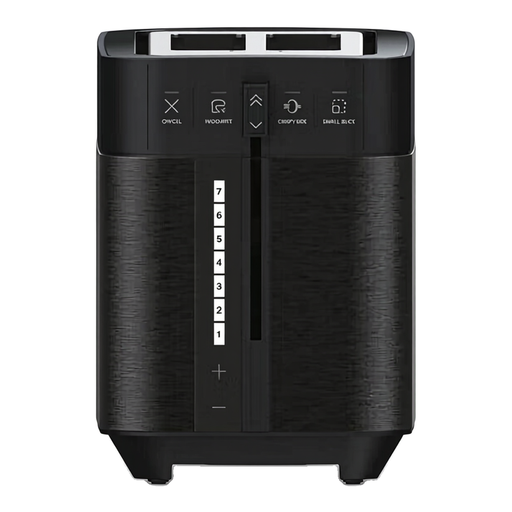 No image available
Described as extra-deep, the slots make this model an option for thicker types of bread; check that your slices will actually fit.
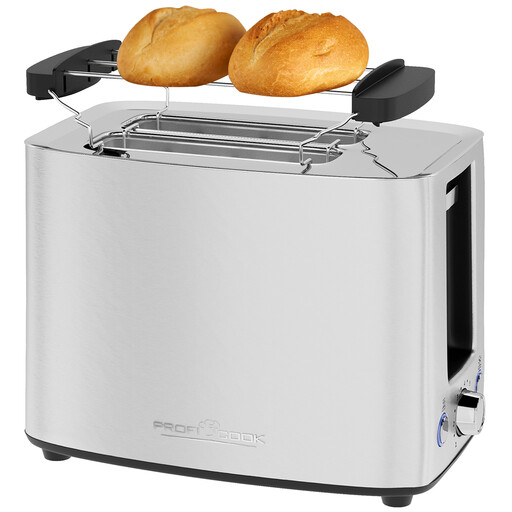 No image available
Described as extra-wide, the slots may suit thicker slices; check the exact slot dimensions against your bread.
No. Compare the thickness of your slice with the slot depth, and check its length separately. “XXL” isn’t a standard measurement for the maximum bread thickness that will fit.
No. The wattage alone doesn’t tell you whether your slice will fit in the toaster. Check the slot dimensions and the space the appliance needs first.
Toast dry, unfilled slices of bread in the slots; use a suitable rack for bread rolls. Unplug the toaster before removing crumbs, then empty the crumb tray if the model has one.
If a product is faulty, your statutory rights are against the seller and are separate from any voluntary guarantee. Online purchases generally come with a 14-day right to cancel; the Verbraucherzentrale notes that you must tell the retailer if you wish to cancel.
For a new mains-powered toaster covered by low-voltage regulations – 50 to 1,000 V AC – the relevant requirements and CE marking apply. According to the Federal Institute for Occupational Safety and Health and Your Europe, the CE marking is not an independent quality mark and is not issued as a certificate by a central EU body.