Families who prioritise wholemeal
You want to serve a roll with a clear wholemeal content at breakfast. The taste and texture may be unfamiliar to your child at first; the Verbraucherzentrale recommends wholemeal bread and rolls for children.


Choose rolls for your toddler’s breakfast based on their ingredients, texture and preparation time, rather than the word ‘premium’. If wholemeal is important to you, check the actual wholemeal content. If your child prefers a different texture, it may help to make the change gradually. Allergens need to be suitable for the specific product and your child’s individual needs.
You want to serve a roll with a clear wholemeal content at breakfast. The taste and texture may be unfamiliar to your child at first; the Verbraucherzentrale recommends wholemeal bread and rolls for children.
Before buying, you need information about the specific roll, such as whether it contains gluten-containing cereals, lupin or sesame. For unwrapped products, it’s important to check the allergen information provided at the point of sale.
You want to be able to plan preparation before breakfast. For bake-at-home rolls, follow the baking and cooling instructions for the specific product, as these vary.
First, check whether the ingredients and texture are right for your child. Then decide whether a verifiable wholemeal content or preparation that fits your morning routine should take priority.
| What matters | What to check before buying | Who it matters most to |
|---|---|---|
| Wholemeal content | Check the legal name of the food and the ingredients list for wholemeal flour or wholemeal flakes. As the Verbraucherzentrale explains, ‘multigrain’ and a dark colour don’t prove that a product contains wholemeal ingredients. | If I want to offer wholemeal, I need to be able to confirm it from the information about the roll, rather than relying on how wholemeal it looks. Around 44% of consumers prioritise this verifiable content. |
| Ingredients and allergens | Read the current ingredients and allergen information. For unwrapped products, check or ask for the information at the point of sale. | If a particular ingredient matters for my child, I need information about the specific roll before choosing it. Around 33% of consumers prioritise this check. |
| Morning routine and texture | Compare pack sizes and preparation and cooling instructions. Choose a texture your child can manage. | If there’s little time in the morning or my child doesn’t like grainy rolls, the option I choose needs to be practical to prepare and suitable for them to eat. This is the top priority for around 23% of consumers. |
According to the Verbraucherzentrale, ‘multigrain’ usually doesn’t mean wholemeal; malt extract can also make bread darker. So appearance alone won’t tell you whether a roll has the wholemeal content you’re looking for.
Check the legal name of the food and the ingredients list, rather than relying on its colour or the word ‘premium’.
Spelt is a gluten-containing cereal. A spelt roll therefore doesn’t meet the requirements for a gluten-free product.
If your child needs to avoid gluten or wheat, check the information for the specific product against their individual requirements.
An organic label doesn’t tell you whether your child will manage the texture of a particular roll. For example, EDEKA Bio Dinkel Krusti contains sunflower seeds and linseed.
Choose a texture that suits your child’s abilities and preferences. If they have difficulty chewing or swallowing, seek professional advice.
When planning for bake-at-home rolls, remember to allow for the product-specific cooling and storage instructions too. Baking times can’t be applied to other rolls.
Read the instructions on the relevant pack before buying, then plan breakfast around them.
These examples show different product types and ways to find product information. The details for the roll you choose are what matter most.
REWE sells organic spelt rolls for finishing off in the oven, with product information about ingredients and preparation.
EDEKA Bio Dinkel Krusti is a spelt roll with sunflower seeds and linseed.
Lidl lists Bioland baked goods in its range, including a Grafschafter Bio bake-at-home roll.
ALDI SÜD sells a range of packaged rolls. Product-specific nutritional information is available for its GOLDÄHREN spelt toast rolls.
For baked goods from a bakery, you can ask for allergen information at the point of sale.
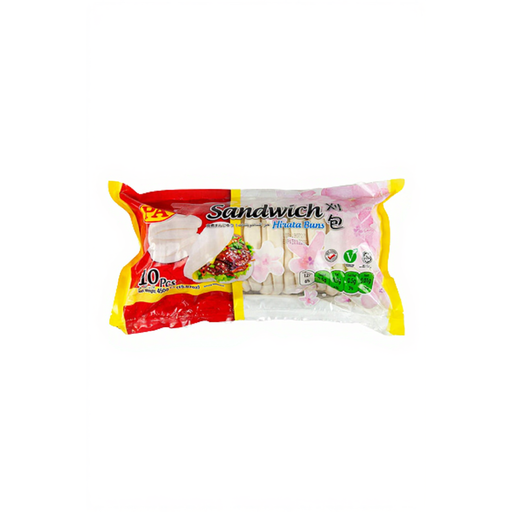
This Sandwich Bun is a simple option to consider when planning breakfast. Check the pack and consider your child’s individual eating abilities to see whether the ingredients, portion size and texture are suitable.
 No image available
If you’re looking for a simple roll for breakfast, pay particular attention to whether the portion size and texture of this option are right for your child.
The pack contains 10 pieces weighing 450 g in total. Remember to allow time for steaming when planning your morning, and check the current allergen information before buying.
Yes. Under Annex II of the EU Food Information Regulation, gluten-containing cereals, including wheat and spelt, are allergens that must be labelled when used as ingredients. This doesn’t mean every roll contains gluten, so check the information for the specific product.
No. What matters is the specific ingredients, a texture your child can manage and how the roll is prepared. If you’re looking for wholemeal, check the legal name of the food and the ingredients list: the Verbraucherzentrale points out that ‘multigrain’ and a dark colour alone don’t prove a product is wholemeal.
Follow the instructions for the product you buy, and remember to allow time for it to cool. EDEKA recommends cooling its Bio Dinkel Krusti for around 15 minutes after baking; this guidance doesn’t apply to other rolls.
No. Ask for the allergen information for the specific roll at the point of sale. Kamps also notes that, for its delivery service, cross-contamination with several allergens can’t be completely ruled out when products are sold unwrapped.