Whether a roll is suitable for your toddler’s breakfast depends not on having an especially thick slice, but on its texture and whether the portion is manageable for your child. The Federal Centre for Nutrition advises avoiding small, hard foods. If you’re choosing bake-at-home rolls, you should also check the preparation instructions and allergens for the specific product.
Who should take care when choosing?
Parents looking for manageable portions
You want to choose a size and texture that suit the way your child is currently eating and chewing. The Federal Centre for Nutrition advises avoiding small, hard foods for toddlers; choosing a thickly sliced roll doesn’t remove the need to check the individual product.
Families who need to check allergens
For these families, the ingredients and allergen information for the specific variety matter. EDEKA lists wheat and cereals containing gluten for one documented wheat roll. If you’re buying loose rolls, ask the retailer for information about the variety you’ve chosen.
Families short on time in the morning
You want to know how bake-at-home rolls will fit into your breakfast routine. Product information from REWE and EDEKA shows that baking times vary by product, and you’ll also need to allow time for the rolls to cool before serving.
What should you look for when buying?
First, choose a roll based on its texture and whether it can be served in manageable portions. Then check the allergens and preparation instructions for the specific variety.
| Criterion |
What to check |
Who it matters to |
| Texture and portion size |
Check the texture after preparation and whether the roll can be portioned in a way that suits your child. A particular slice thickness is no substitute for this. |
If my child can’t chew a roll easily yet, I don’t want to offer small, hard pieces. Ease of handling is the top priority for around 46% of consumers. |
| Ingredients and allergens |
Compare the ingredients and allergen information on the specific pack, or ask about the variety if you’re buying loose rolls. |
If we need to avoid wheat or other relevant allergens, I need clear information about the roll before buying. Checking allergens is the main concern for around 36% of consumers. |
| Preparation in the morning |
For bake-at-home rolls, check the baking instructions for the specific product and allow time for them to cool. |
If we’re short on time in the morning, I want to know how long a bake-at-home roll takes to prepare and cool. Around 18% of consumers mainly prioritise this. |
Common mistakes when choosing
-
Assuming “thickly sliced” means it’s suitable
Slice thickness alone doesn’t tell you how easily a child can manage the roll once it’s prepared. The Federal Centre for Nutrition advises avoiding small, hard foods.
Check the texture and size of the pieces for the specific roll, and adjust the portion to suit your child.
-
Checking only the main ingredient
A short ingredients list is no substitute for checking allergens. EDEKA lists both wheat and cereals containing gluten for one wheat roll.
If your child needs to avoid a particular ingredient, check the full information for the specific variety, including any warnings about possible traces.
-
Assuming online information matches the pack you buy
EDEKA notes that information on its product pages may differ from what’s on the packaging.
Use the product page to help you choose, then check the pack when you buy it. If you’re buying loose rolls, ask for the latest information about the variety.
-
Forgetting to allow time for bake-at-home rolls to cool
Baking instructions apply to the specific variety. REWE explicitly says its baker’s rolls should be left to cool briefly before eating.
Follow the instructions on the pack you buy and check the roll once it has cooled, before portioning and serving it.
Brands to consider
REWE Beste Wahl / REWE
REWE sells bake-at-home rolls in a range of varieties, including wholemeal, multigrain and wheat.
- The product page for REWE Beste Wahl baker’s rolls includes baking instructions and says to let them cool before eating.
- For ingredients, allergens and preparation, check the specific variety you’ve chosen rather than relying on general range information.
EDEKA / GUT&GÜNSTIG
EDEKA provides information about individual wheat rolls and breakfast rolls for baking at home.
- One documented wheat roll lists wheat and cereals containing gluten, and preparation instructions are available for the breakfast rolls.
- EDEKA notes that online information may differ from what’s on the packaging.
Lidl – Unser Brot / Grafschafter
Lidl describes “Unser Brot” as its own brand for bread and baked goods, and also mentions Grafschafter bake-at-home rolls in its corporate communications.
- Range information can help you compare types of baked goods when making an initial selection.
- Information about individual products may not apply to all rolls, so check the details for the variety you choose.
Kamps
Kamps’ delivery service in Krefeld offers, among other things, sliced rolls and multigrain rolls.
- The information for one sliced roll listed there names cereals containing gluten and soya.
- This information relates to the Krefeld delivery range, not to every Kamps shop or recipe.
Der Meisterbäcker
Der Meisterbäcker describes its range of breads and rolls as regionally produced baked goods.
- The range overview gives you an idea of the types of bread and rolls on offer.
- For a toddler’s breakfast, check the texture, ingredients and allergens for the specific variety with the retailer.
Rolls at Joybuy
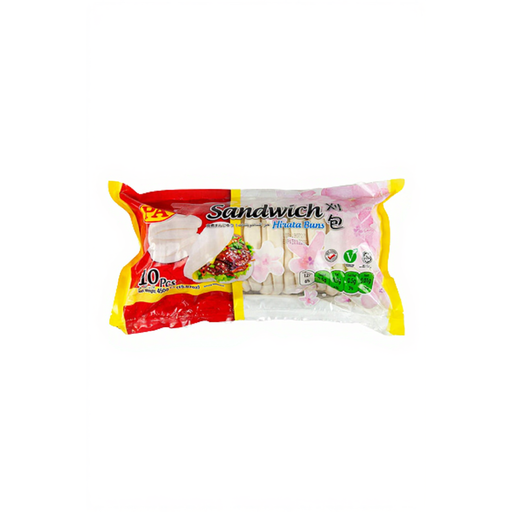
The sandwich bun could be a good base for a savoury breakfast. Check the texture after preparation and whether the portion size suits your child by looking at the specific bun; this doesn’t mean a particular slice thickness is required.
 No image available
PA Sandwich Bun 10pcs 450g
If you’re serving sandwich buns as part of a savoury breakfast, check the texture and portion size for your child after preparation, as well as the ingredients and allergen information on the pack.
View at Joybuy
Frequently asked questions
Are thickly sliced pieces of roll automatically better for toddlers?
No. Slice thickness alone doesn’t determine whether a roll is suitable. Check how easy the prepared roll is to chew and portion. The Federal Centre for Nutrition advises avoiding small, hard foods.
Do rolls for a toddler’s breakfast have to be gluten-free?
There’s no general requirement for rolls to be gluten-free. If your child needs to avoid gluten or wheat, check the ingredients and allergen information for the specific product against their individual needs. A standard wheat roll isn’t a suitable like-for-like alternative in that case.
Is the ingredients information in an online shop enough to help me choose?
It’s useful for making an initial selection, but you should check the information on the pack when you buy it. EDEKA notes that its online information may differ from the packaging. If you’re buying loose rolls, ask about the specific variety.
How long should bake-at-home rolls go in the oven?
Always follow the instructions for the specific variety you’ve bought. EDEKA recommends 8–10 minutes for its breakfast rolls, while REWE gives a time of 10–12 minutes for its REWE Beste Wahl baker’s rolls. These timings won’t necessarily apply to other rolls or cooking conditions. Let the rolls cool before serving.


