What should you look for when buying?
Start with the amount your household is likely to eat. Then compare ingredients and nutritional information. If you have specific allergen requirements, the label on the pack must meet them.
| Criteria |
What to check |
Who it matters to |
| Pack size and how soon to use it |
Compare the pack weight, stated number of portions and guidance for after opening with how much your household eats. |
If toast is only eaten on a few breakfast days, I don’t want to be left with an open pack. Around 46% of consumers prioritise finding the right amount. |
| Wholemeal and the meal |
Compare the wholemeal content in the ingredients list and the fibre per 100 g; serve toast in a way that suits your child’s eating skills. |
For family breakfast, I’d like to include wholemeal where the grain is tolerated, without making toast the whole meal. Around 36% of consumers share this priority. |
| Gluten and other allergens |
Read the ingredients list, highlighted allergens and any ‘may contain’ warnings on the specific pack. |
If ingredients need to be avoided in my family, checking the full label comes first. Around 18% of consumers give this requirement priority. |
Smaller packs of toast at Joybuy
These toast products come in 85 g packs, or as two 85 g packs, offering a smaller amount to buy. Whether they suit a toddler’s breakfast also depends on using them soon after opening, checking the pack label and preparing them in an age-appropriate way. This selection is not a guide to 250 g wholemeal toast or gluten-free alternatives.
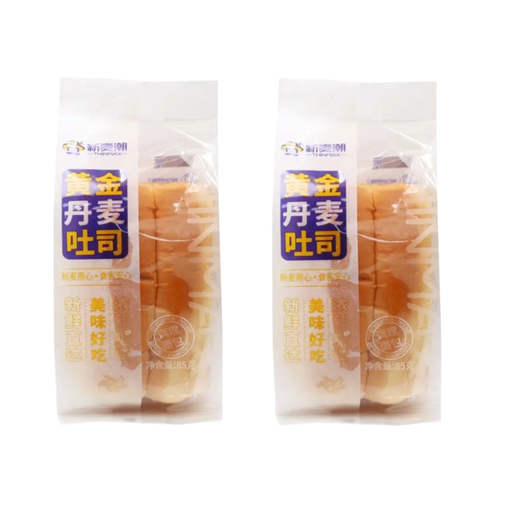 Image unavailable
Thinmax Golden Danish Toast, 85 g × 2
The two smaller packs may suit you if you only need a little toast at a time. Check the guidance on how soon to use the product after opening, and the allergen information on the specific pack, against your requirements.
View at Joybuy
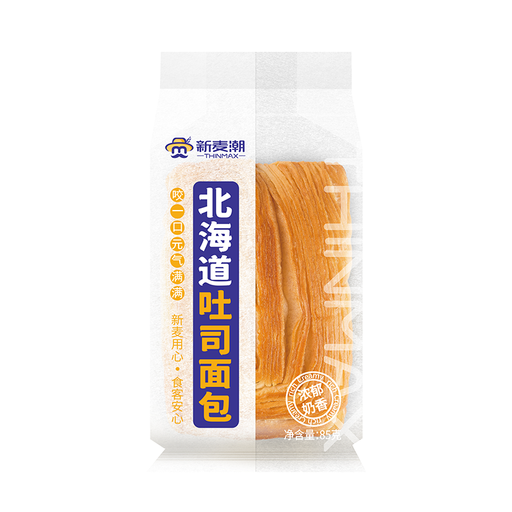 Image unavailable
Thinmax Hokkaido Toast Bread, 85 g
This single 85 g pack is an option if you’re looking for a small amount of toast. Before buying, check the ingredients and allergens on the packaging, and follow its guidance for bread once opened.
View at Joybuy
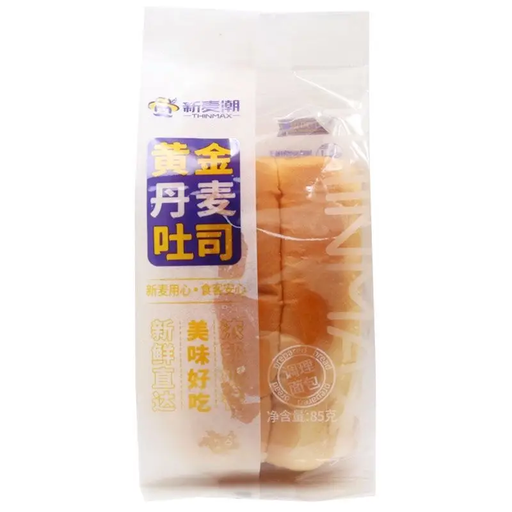 Image unavailable
Thinmax Golden Danish Toast, 85 g
This single 85 g pack is one option if you don’t eat much toast. Check the ingredients, allergens and guidance for after opening directly on the pack. For a toddler, you’ll also need to serve it in a way that suits their eating skills.
View at Joybuy
Frequently asked questions
Does a 250 g pack automatically prevent food waste?
No. What matters is whether your household gets through the toast soon after opening. The 250 g wholemeal toasts listed by REWE each have ten stated portions; Harry’s should be used within three days of opening. Check the guidance for the product you’re planning to buy.
Does a toddler need special children’s toast?
No, special children’s toast isn’t necessary for family breakfast. The Gesund ins Leben network recommends including toddlers in family meals. Choose and serve bread according to your child’s tolerance and eating skills.
What’s the difference between wholemeal toast and butter toast when choosing?
If wholemeal is one of your buying criteria and wheat is tolerated, the ingredients list and nutritional information for the specific products are more useful than the toast name alone. REWE lists 6.6 g of fibre per 100 g for Golden Toast wholemeal toast and 6.0 g for Harry wholemeal toast; Golden Toast butter toast contains 2.9 g per 100 g. These figures alone don’t tell you whether the whole breakfast is balanced.
How can I spot gluten-containing grains in toast?
Read the ingredients list and the highlighted allergen information on the pack. According to Germany’s Federal Ministry of Agriculture, Food and Home Affairs, gluten-containing cereals, including wheat and rye, are among the allergens that must be labelled in Germany when included as ingredients. A ‘may contain’ warning is no substitute for checking the ingredients.
Is ‘gluten-free’ enough if you have other allergies?
No. The gluten-free label doesn’t tell you whether a product contains other allergens. Schär describes Meisterbäckers Classic as free from gluten and wheat, but lists soya protein and possible traces of lupin and mustard. So always check the full information on the pack.


