Parents checking for allergens or gluten
For them, the current ingredients list matters more than the name ‘cornflakes’: depending on the recipe, cereals may contain wheat or barley, or carry a warning about possible traces.


Single-serve sachets can make breakfast easier to portion for your toddler, but they don’t tell you whether the ingredients or serving size are right for your child. Check the ingredients list, sugar per 100 g and allergen information. For a regular breakfast, the German consumer advice centre recommends bread or porridge oats and dairy products rather than sugary cereals.
For them, the current ingredients list matters more than the name ‘cornflakes’: depending on the recipe, cereals may contain wheat or barley, or carry a warning about possible traces.
A small first meal can make mornings easier. The Federal Institute of Public Health recommends small meals for children with little appetite in the morning; finishing a whole single-serve sachet isn’t necessary.
They check the sugar content per 100 g and the ingredients, rather than assuming that single-serve packaging or child-friendly design tells them what’s in the product.
First, use the ingredients and allergen information to decide which cereals are suitable. Then consider whether single-serve sachets would genuinely make breakfast easier, or whether you’d prefer to portion out a standard pack yourself.
| What matters | What to check when buying | Who it matters to |
|---|---|---|
| Allergens and gluten | Ingredients such as wheat or barley, as well as any possible traces warning on the specific pack. | If I need to check ingredients carefully because of an intolerance, a single-serve sachet doesn’t help with that. For around 46% of consumers, checking for allergens and gluten is likely to be the top priority. |
| Sugar and ingredients | Sugar per 100 g and the ingredients list; wholegrain content doesn’t replace this information. | For a regular breakfast, I don’t want to choose sugary cereals based only on their packaging or wholegrain claims. For around 27% of consumers, the ingredients are likely to matter most. |
| How much to serve in the morning | The contents of each sachet and how much you actually offer your child. | If my child doesn’t eat much in the morning, I want to be able to offer a small meal without any pressure. That’s why around 27% of consumers are likely to put easy portioning first. |
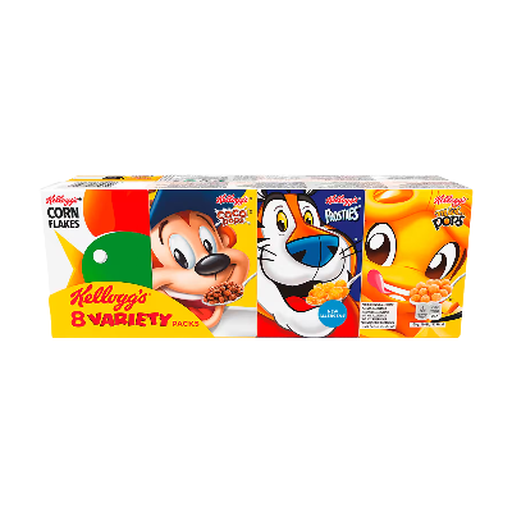
Kellogg’s Germany describes Variety as a selection of individually wrapped cereals made from maize, rice and wheat. The manufacturer states that the mix contains 22 g of sugar per 100 g.
Check the product name, ingredients and nutritional information before choosing it for the single-serve sachets.
A serving size printed on the pack is product information; it doesn’t determine how much a child needs to eat in the morning.
Base the amount you offer on your child’s appetite. For children with little appetite in the morning, the Federal Institute of Public Health recommends a small first meal without pressure.
Nestlé Cereals Germany states that Cini Minis contain 33% wholegrain, but also 24 g of sugar per 100 g. A single claim on the front of the pack doesn’t tell you everything about the recipe.
Compare sugar per 100 g and the ingredients list, regardless of the packaging design.
‘May contain traces of gluten’ warns that accidental traces may be present; it doesn’t mean the product is gluten-free.
If you need to avoid gluten for medical reasons, check the labelling on the specific pack and follow the advice that applies to you.
Kellogg’s Germany also includes Corn Flakes in its Variety selection of individually wrapped cereals.
These cinnamon cereals are different from plain cornflakes. If you’re looking for single-serve portions, check the packaging format of the specific product.
EDEKA Bio Unsweetened Cornflakes are an option if you’d rather portion out a standard pack yourself.
Here you’ll find an individually wrapped cereal mix alongside cornflakes to portion out yourself. Whether either option is right for you depends on the packaging format you need and the information on the current pack.
 No product image available
This individually wrapped mix could be a good fit if separate portions matter more to you than having a pack containing cornflakes alone.
The pack of 8 contains 205 g in total. According to Kellogg’s Germany, Variety includes cereals made from maize, rice and wheat. The manufacturer states that it contains 22 g of sugar per 100 g and lists ingredients including wheat gluten. Check the amount in each sachet and the current allergen information on the pack.
 No product image available
This 300-g standard pack is a good option if you’d rather portion out cornflakes yourself at breakfast than use single-serve sachets.
If gluten or other allergens affect your choice, check the ingredients and any possible traces warnings on the specific pack.
No. They may make it easier to portion or take breakfast with you, but they don’t change the ingredients or nutritional values. Kellogg’s Variety, for example, contains different types of cereals; according to Kellogg’s Germany, the mix contains 22 g of sugar per 100 g.
No, the sachet size doesn’t determine how much you should offer. For children with little appetite in the morning, the Federal Institute of Public Health recommends a small first meal and advises against pressuring them to eat.
Check the ingredients list on the specific pack for grains such as wheat and barley, including ingredients such as wheat gluten or barley malt extract. The German Food Federation lists gluten-containing cereals among the relevant allergens; recipes can vary between products.
A traces warning doesn’t mean a product is gluten-free: it refers to possible accidental traces. If you need to follow a gluten-free diet for medical reasons, check the explicit labelling on the current pack and follow the advice that applies to you.