
Lieferung heute & morgen

Qualitätsgarantie

Willkommens-Angebote freischalten: KOSTENLOSE Lieferung | Bis zu 80 % RABATT | Kostenlose 30-Tage-JoyPlus-Testphase
App herunterladen
The search for a meaningful gift for toddlers leads many parents and relatives to learning tablets. But the market is confusing and full of products that promise more than they deliver. Many are concerned about screen time and are specifically looking for alternatives that promote development without relying on a glowing screen. A screen-free educational toy can be an excellent choice, but there are some typical pitfalls that can quickly lead to disappointment.
This guide shows you what to look for to avoid three common marketing traps and find a product that truly offers educational value and provides long-lasting enjoyment.
Before you make a decision, it's important to know the typical shortcomings that often only become apparent after unboxing.
To avoid buyer's remorse, you should focus on a few, but crucial, technical and quality features. These parameters will help you separate the wheat from the chaff.
A good learning tablet for toddlers is distinguished by a well-thought-out concept. Instead of passively staring at a screen, the child should be actively engaged. Models designed as an interactive toy with a stylus not only promote cognitive development but also fine motor skills. The child learns to place the stylus precisely on images or words to get an audio response. Look for varied and age-appropriate learning content that covers topics like vocabulary, first letters, numbers, and simple logic games.
Tangible quality is essential for educational toys for ages 3 and up. The casing should be made from a durable, non-toxic material like ABS plastic. Look for rounded edges and a sturdy construction that can withstand rough handling. A look at the product information should provide details on compliance with EU safety standards (e.g., CE marking). Battery compartments must be securely screwed shut to remain inaccessible to little hands.
The device must be intuitive for a three-year-old to operate. Large, clearly recognisable symbols and simple functionality are crucial here. Another practical aspect is the power supply. Models with an integrated, USB-C rechargeable battery are often more convenient and eco-friendly than those that constantly require new batteries. A long battery life also ensures the toy is a reliable companion on trips or during long waits.
Based on the criteria above, we have identified some products that are suitable for different user profiles.
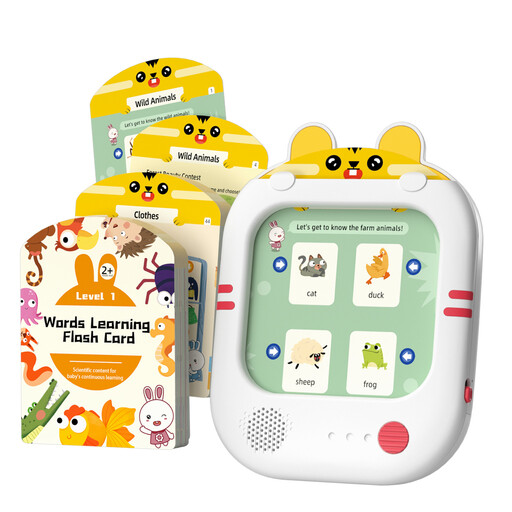
Why it's a match: This set is ideal for parents who want structured and extensive learning support without a screen. It combines language and logic training in a single, easy-to-use device.
The alilo Learning Tablet avoids the trap of short-lived content with 47 double-sided cards featuring over 180 words and 180 logic games. This ensures long-lasting and varied educational fun.
The interactive stylus actively promotes fine motor skills. The integrated battery with up to 6 hours of runtime and USB-C charging offers great convenience for use at home and on the go.

Why it's a match: With its appealing unicorn design and compact size, this device is an ideal gift. It's lightweight, durable, and perfect for taking to grandparents' or on trips.
It addresses the safety trap by using non-toxic ABS plastic and rounded edges. The robust construction is designed for use by toddlers.
The device is extremely portable and easy to use. The card-based system offers a tangible, interactive learning experience that children understand immediately.
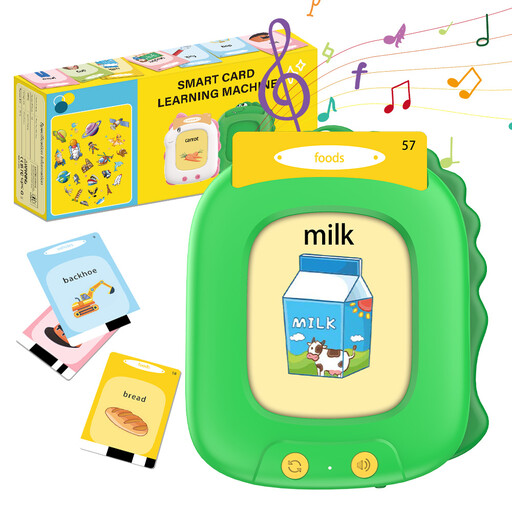
Why it's a match: For children fascinated by dinosaurs, the themed design boosts motivation and fun. It offers the same learning functions as the unicorn model in a different, more adventurous look.
This model bypasses the "deceptive packaging" trap by promoting learning through an engaging theme that kids love. The interaction with the cards is tangible and not just passive entertainment.
The design specifically appeals to the child's interests, turning learning into an adventure. Its robust and safe construction ensures long-term use.
If you're still undecided or want to leave the choice open, a gift card can be a practical alternative.
Most models are designed as educational toys for ages 3 and up. At this age, children are developing the necessary fine motor skills to handle an interactive stylus and are beginning to understand simple logical concepts. Always check the manufacturer's age recommendation to ensure the toy is neither too simple nor too advanced.
Battery life varies depending on the model and usage intensity. Many modern devices offer up to 6 hours of playtime and can be conveniently recharged via a USB-C cable. The alilo Learning Tablet is an example of a device with such a user-friendly battery solution, which is sufficient for daily use and travel.
They offer a different, more tactile learning experience. Instead of just swiping on a screen, children physically interact with cards and a stylus. This can more effectively promote the development of fine motor skills and hand-eye coordination. Additionally, it reduces exposure to blue light from screens, which many parents see as a benefit, especially before bedtime.