
Lieferung heute & morgen

Qualitätsgarantie

Willkommens-Angebote freischalten: KOSTENLOSE Lieferung | Bis zu 80 % RABATT | Kostenlose 30-Tage-JoyPlus-Testphase
App herunterladen
Once your child turns one, many parents face a new question: which milk is the right choice now? The market for toddler milk from 1 year is vast, and the advertising claims are diverse. As a Joybuy Product Recommendation Officer, I'm here to help you separate key facts from marketing hype and make an informed decision. In this guide, we'll highlight common pitfalls and the crucial criteria for your selection.
The selection of milk for toddlers can be overwhelming. Many products advertise special benefits, but not all are relevant to your child's needs. Pay attention to these points to avoid unnecessary expenses:
To find the right junior milk, you should focus on objective and verifiable parameters. The following three points are central to making a well-founded decision.
After their first birthday, your child's growth rate slows down compared to infancy. Accordingly, their protein requirement also decreases. A high protein intake is linked to an increased risk of obesity later in life. Toddler milk, often referred to as Stage 3 follow-on milk, is adapted to this developmental phase with a protein content typically lower than that of cow's milk.
The nutritional needs of toddlers are specific. Toddler milk is often fortified with nutrients that play an important role in this growth phase:
A critical look at the ingredients list is crucial. Check whether other types of sugar have been added in addition to the naturally occurring milk sugar (lactose). Furthermore, many parents prefer a toddler milk without palm oil. Manufacturers often use a blend of other vegetable oils instead, such as sunflower or rapeseed oil.
Instead of making a one-size-fits-all recommendation, we're presenting products that suit the different priorities and lifestyles of parents.
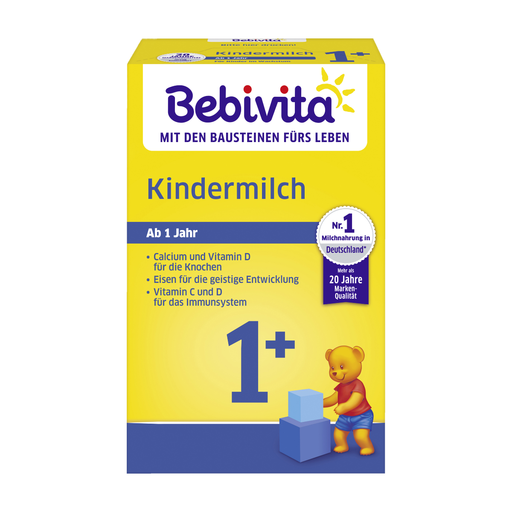
Why it's a good fit: For parents seeking a solid and reliable nutritional supplement without spending a premium budget. It focuses on the essential nutrients for the toddler stage.
This product offers an age-appropriately reduced protein content and essential vitamins D and C, as well as iron, without getting lost in complex, expensive additives.
Offers excellent value for money and contains calcium, vitamin D, and iron—nutrients crucial for bone formation and cognitive development.
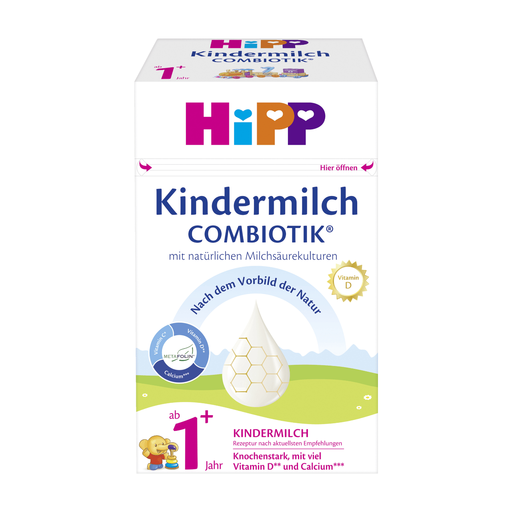
Why it's a good fit: Ideal for parents who value organic quality and a formula with additional components like natural lactic acid cultures. The HiPP Organic Toddler Milk is a popular choice in this segment.
The Combiotik line transparently lists its ingredients and explains their origin (e.g., galactooligosaccharides from lactose), enabling an informed decision beyond marketing buzzwords.
Combines an age-appropriate nutrient mix with natural lactic acid cultures (L. fermentum) and Metafolin, a bioactive source of folate.
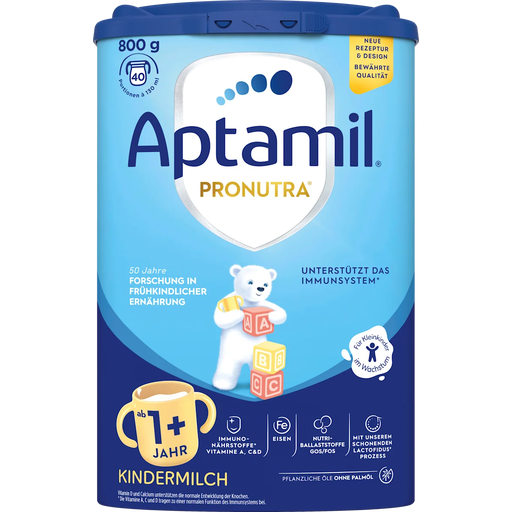
Why it's a good fit: Specifically for parents actively looking for a toddler milk without palm oil. The Aptamil Toddler Milk is a well-known brand that meets this requirement and offers a specific nutrient combination.
The product directly addresses the demand for palm oil-free formulas, allowing parents to make a conscious choice based on the composition of the vegetable oils.
The formula is palm oil-free and, according to the manufacturer, contains vitamins A, C, and D to support the normal function of the immune system, as well as an age-appropriate nutrient combination.
We have compiled a complete, up-to-date list of products that fully meet these strict selection criteria and comply with German regulations.
This decision depends on individual circumstances and the child's overall diet. Toddler milk is specifically adapted to the needs of young children. It typically has a reduced protein content compared to cow's milk and is fortified with key nutrients like iron and vitamin D, which can sometimes be difficult to obtain sufficiently through a regular diet. Cow's milk is a good source of calcium but naturally contains less iron and vitamin D.
Nutrition experts recommend a daily intake of about 300 to 330 ml of milk and dairy products for toddlers. This can be divided into two or three servings throughout the day, for example, as a milk drink with breakfast, as part of a meal, or as a snack. Always follow the dosage recommendations of the respective manufacturer.
Yes, most toddler milk powders can be prepared with both warm (not boiling) and cold water. This makes them flexible for different seasons and preferences. Read the preparation instructions on the packaging to be sure. Warming in a microwave is generally not recommended due to the risk of uneven heating and scalding.