
Lieferung heute & morgen

Qualitätsgarantie

Willkommens-Angebote freischalten: KOSTENLOSE Lieferung | Bis zu 80 % RABATT | Kostenlose 30-Tage-JoyPlus-Testphase
App herunterladen
Nutrition in early childhood lays the foundation for healthy development. After the first year, as toddlers transition from infant formula to a varied family diet, many parents wonder about the right milk drink. Cow's milk is an option, but toddler milk, also known as growing-up milk, is specifically tailored to the nutritional needs of young children.
This article serves as a guide. It explains what to look for when selecting toddler milk powder and presents a selection of products to help you make an informed decision.
The decision for a product should be based on objective criteria that are aligned with your child's developmental stage. Here are some key points to consider.
A toddler's nutritional needs differ from those of an infant or an adult. The composition of toddler milk is adapted to these specific requirements.
A look at the ingredients list provides insight into the quality and suitability of the product. Many parents have specific preferences, for example, regarding the types of fats used.
Toddler milk is intended as a supplement to a balanced and varied diet, not as a sole source of nutrition. It can be offered as a drink with meals, with cereal, or simply in between. Always follow the correct preparation instructions on the package to ensure nutritional quality and avoid hygiene risks.
Based on the criteria mentioned, we have compiled a selection of products that meet different requirements.
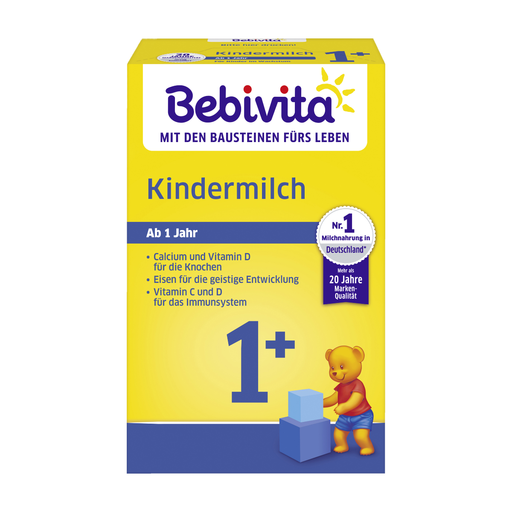
What makes this product stand out
The Bebivita Toddler Milk 1+ is a milk drink designed for toddlers from the first year of life. The formula is tailored to the growth phase and provides essential nutrients to complement solid foods.
Benefits
Who is it for? This product is aimed at parents of toddlers aged 12 months and older who are looking for a nutrient-fortified milk alternative as part of a mixed diet.
View Product: Bebivita Toddler Milk 1+
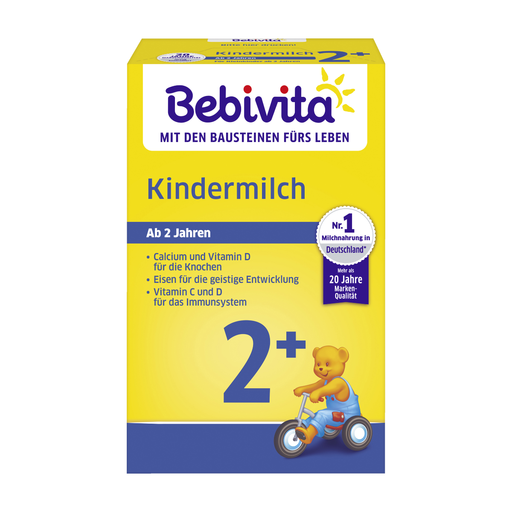
What makes this product stand out
Specially developed for toddlers from two years of age, the Bebivita Toddler Milk 2+ adapts its nutrient supply to the next developmental stage. It serves as a milk drink for breakfast, dinner, or in between meals.
Benefits
Who is it for? Ideal for parents whose children have reached their second year and who wish to continue ensuring targeted nutritional supplementation alongside the family diet.
View Product: Bebivita Toddler Milk 2+
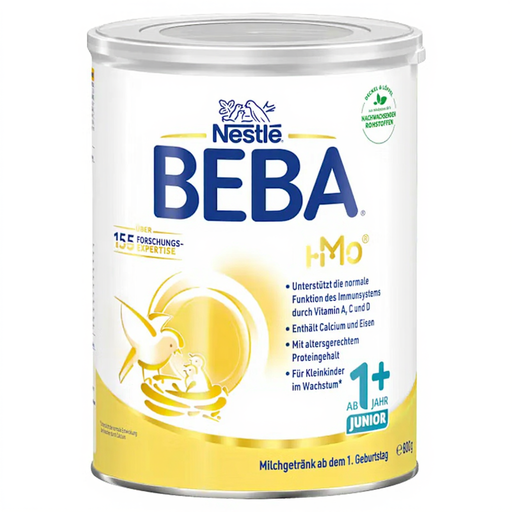
What makes this product stand out
The Nestlé BEBA Junior 1+ is a toddler milk without palm oil, developed for children from 12 months. It contains a blend of vegetable oils (sunflower and rapeseed) and is fortified with vitamins to support the immune system.
Benefits
Who is it for? This product is a great choice for parents specifically looking for a toddler milk without palm oil and who value immune system support through vitamins.
View Product: Nestlé BEBA Junior 1+
The products presented here are just a sample of the available range. Every child has individual needs and preferences. If you want to compare more products or are looking for a different age group, you can find a wider selection in our Infant & Toddler Milk category.
Toddler milk is generally designed for children from 12 months of age. It can be a useful supplement to a balanced family diet, especially if the child's diet is not always varied. It helps ensure an adequate supply of important nutrients like iron, iodine, and vitamin D. However, it is not a substitute for breastfeeding or infant formula in the first six months.
The main difference lies in the nutrient composition. Compared to cow's milk, toddler milk usually has a reduced protein content to protect the child's kidneys. At the same time, it is fortified with vitamins and minerals for which there is a particularly high need in toddlerhood (e.g., iron, vitamin D). While cow's milk is a good source of calcium, it is naturally low in iron.
For safe and hygienic preparation, you should always follow the instructions on the product packaging. In general: